

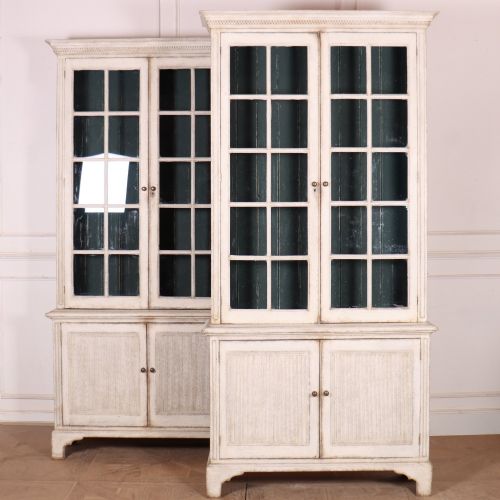
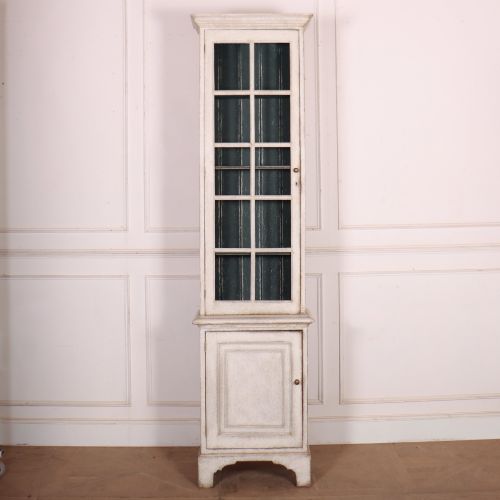
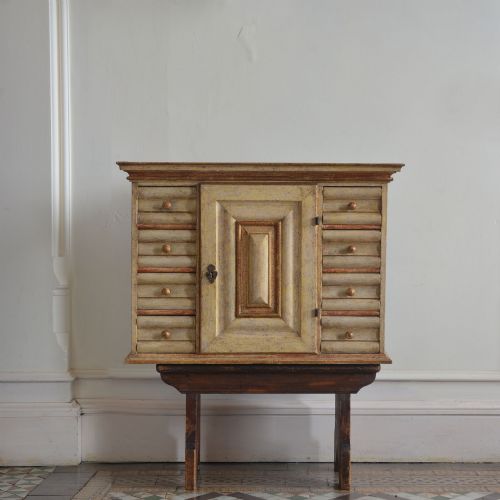
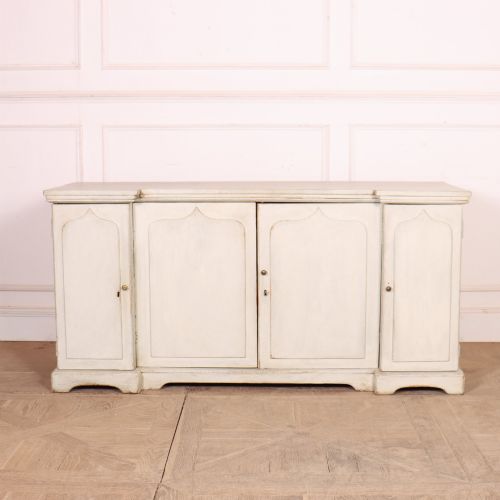
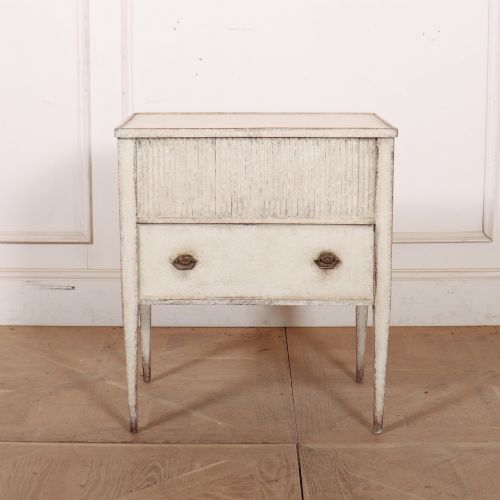
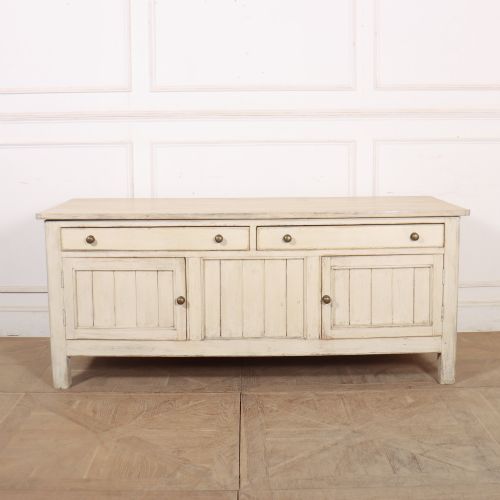


Cream Wood Cupboard
These cream wood cupboards combine practical storage with decorative painted surfaces, bringing rustic charm and refined regional styles to any room.
Cream Wood Cupboard
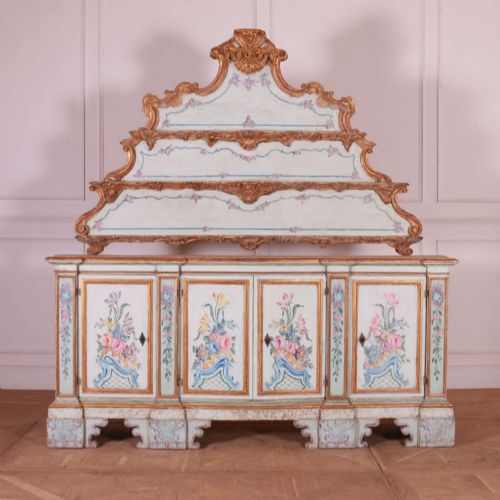
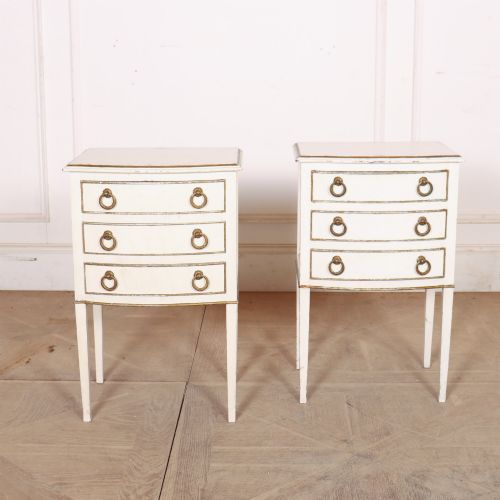
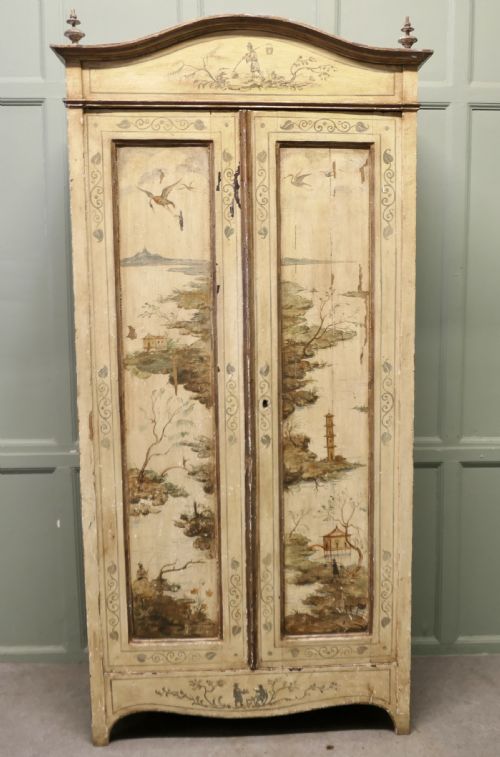
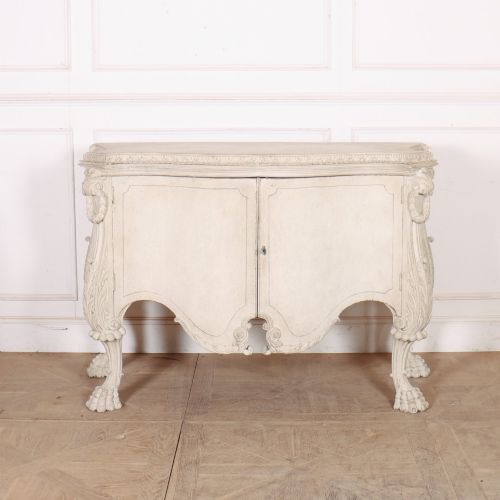
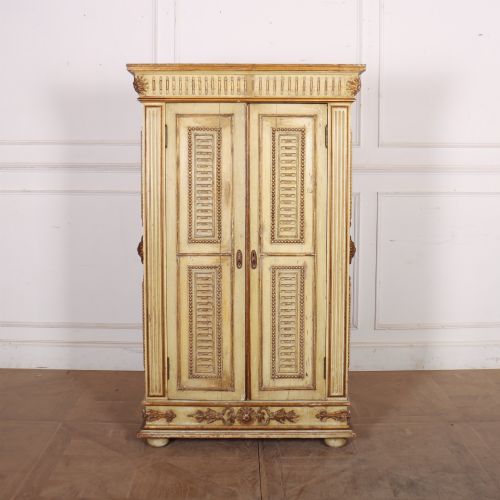
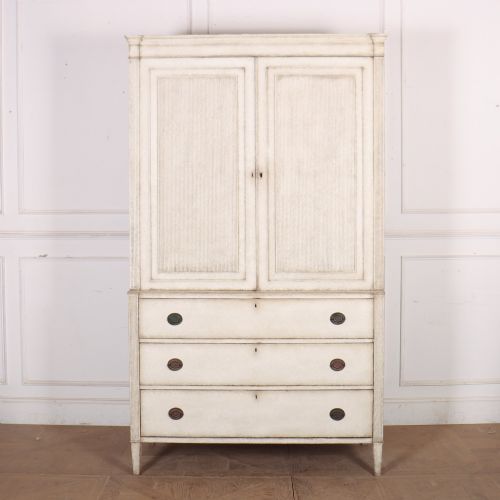
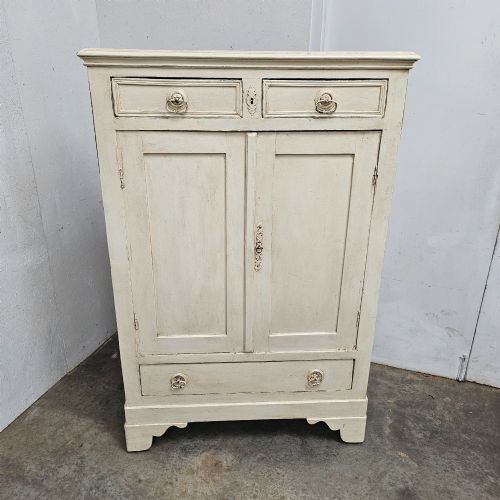
A cream wood cupboard provides versatile storage through forms such as sideboards, linen presses, bedside cabinets, and tall armoires. Buyers searching for a cream wood cupboard encounter diverse regional European traditions, from French Provincial and Venetian Rococo to English Country and Scandinavian styles.
Materials and construction
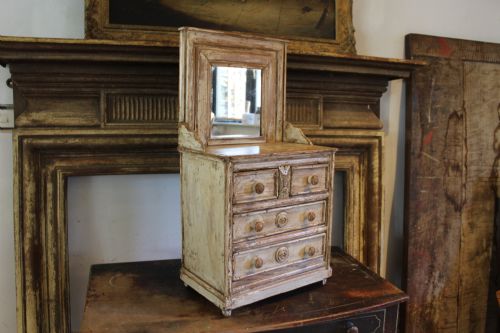
Makers utilised solid timbers such as pine and general wood substrates, preparing the surfaces to receive layers of paint and sometimes gilt or lacquer. Structural joinery ranges from substantial sideboards and dressers to smaller bedside chests and miniature apprentice pieces.
Decorative surfaces received considerable attention, utilising hand-painted pigments, giltwood accents, and glass panels in pieces like wall-hanging vitrines and bookcases. Brass hardware such as handles and hinges frequently completes the construction of these storage items.
Cream Wood Cupboard Retail Price Guide 2026
Typical asking prices for cream wood cupboard among the pieces listed under this phrase on Sellingantiques today, from the lower quarter to the upper quarter. They describe what is for sale here now, not the wider market.
The inventory spans the eighteenth, nineteenth, and early twentieth centuries, incorporating materials such as pine, brass, glass, and giltwood.
Assessing quality and character
Quality in these painted storage pieces rests upon the integrity of the original timber construction and the preservation of the decorative surface. Pieces retaining original paintwork and authentic regional ornamentation command greater interest than later repainted examples.
Proportion and scale also determine distinction, distinguishing grand breakfront dressers and buffet de corps from modest bedside cabinets and miniature chests. The finesse of the painted details, whether outdoor scenes or Chinoiserie lacquer, marks the distinction between standard country workshops and finer urban ateliers.
The Cream Wood Cupboard Glossary
- Buffet de corps
- A substantial French dining-room cupboard or sideboard, usually featuring enclosed lower doors and sometimes upper shelving.
- Breakfront
- A piece of furniture whose central section projects forward from the flanking sections, creating a dynamic architectural silhouette.
- Chinoiserie
- European decorative style employing imagined Chinese motifs, popular in lacquered finishes and painted scenes.
- Giltwood
- Timber that has been coated with a thin layer of gold leaf or gilt paint to create an opulent decorative surface.
- Serpentine
- A furniture front or edge that curves outward centrally and inward at the sides, typical of Rococo designs.
Cream Wood Cupboard: Frequently Asked Questions
Where should I place a painted cupboard?
These storage pieces suit dining rooms, living spaces, and hallways where their decorative painted surfaces can act as a focal point. They offer practical utility for linens, tableware, and everyday items while enhancing the room's aesthetic.
Smaller formats like bedside tables and side cabinets fit easily into bedrooms and smaller recesses, providing closed storage without dominating the floor space.
How do I care for painted wood?
Protect antique painted surfaces by keeping them away from direct sunlight and maintaining stable room humidity to prevent wood movement. Dust gently with a dry, soft cloth rather than using liquid polishes that might damage aged finishes.
Avoid placing damp or hot items directly onto the timber or painted top to preserve the integrity of the original decoration over time.
How do I distinguish different periods?
Eighteenth-century examples often display deep regional character, heavy timber construction, and early hand-mixed paint layers. Pieces from the nineteenth century frequently show greater industrial standardisation in fixings while embracing eclectic revivals like Venetian Rococo.
Twentieth-century items may combine older stylistic tropes with lighter construction methods and early machine-finished components.