



Cream Wood Cabinet
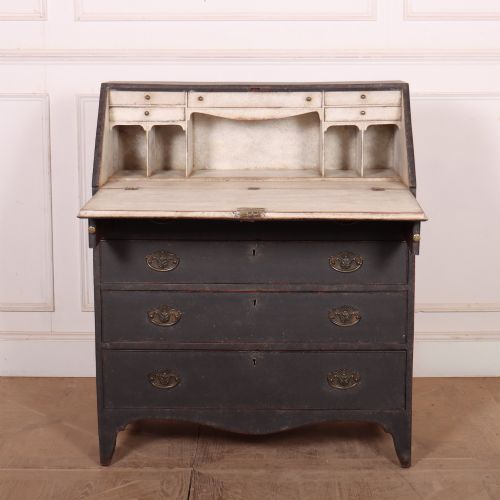
A cream wood cabinet brings soft painted charm and practical storage to a room, drawing on centuries of European provincial and classical design.
Cream Wood Cabinet
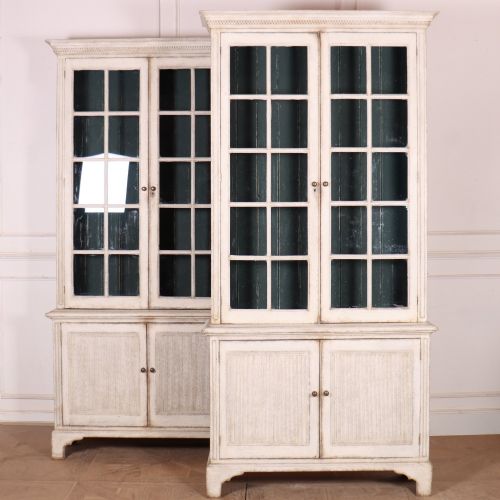
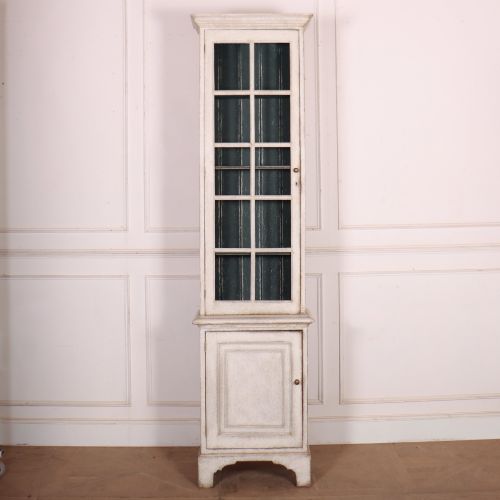
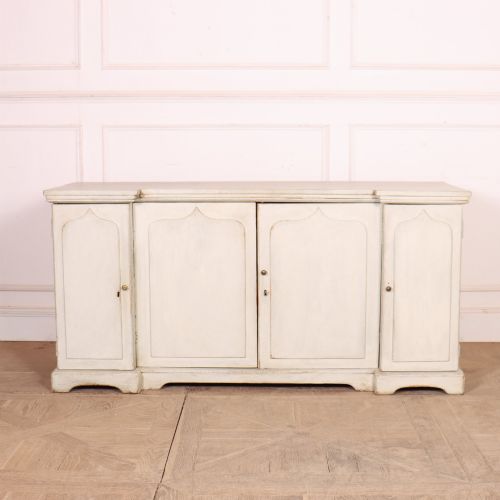
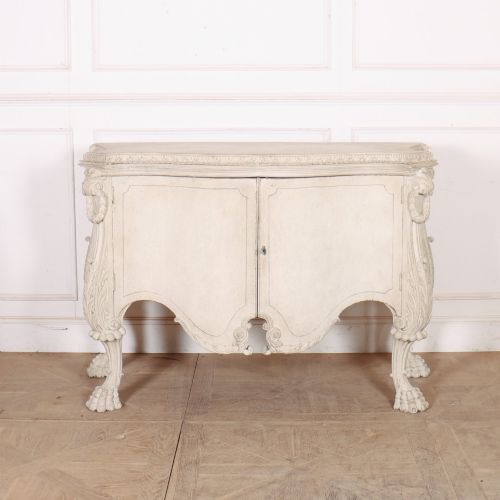
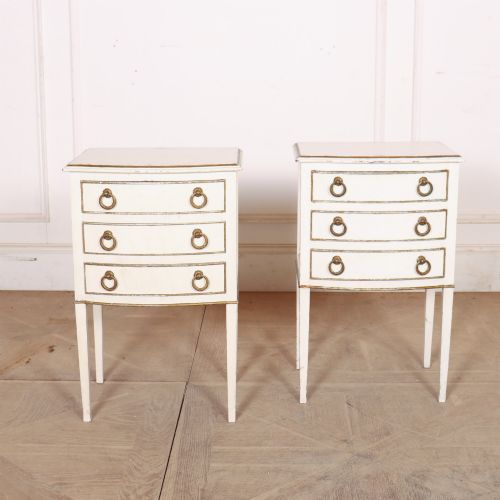
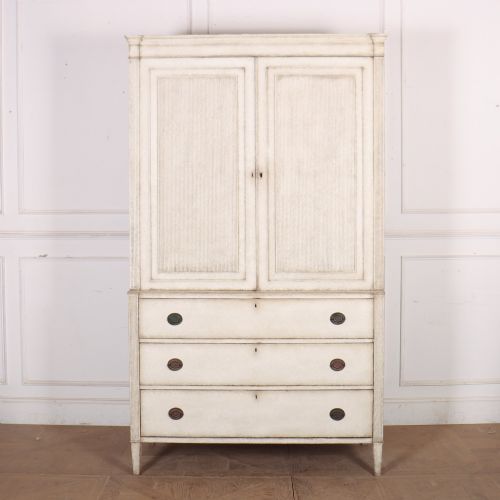
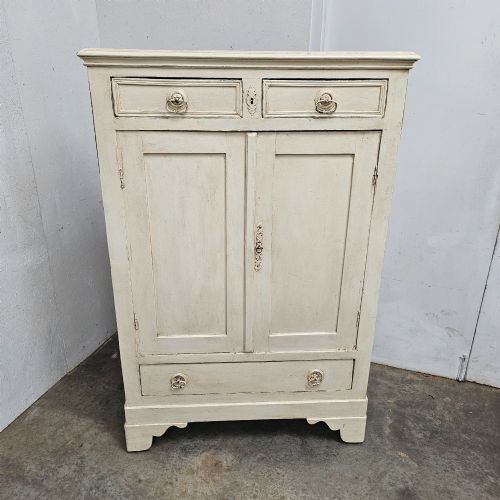
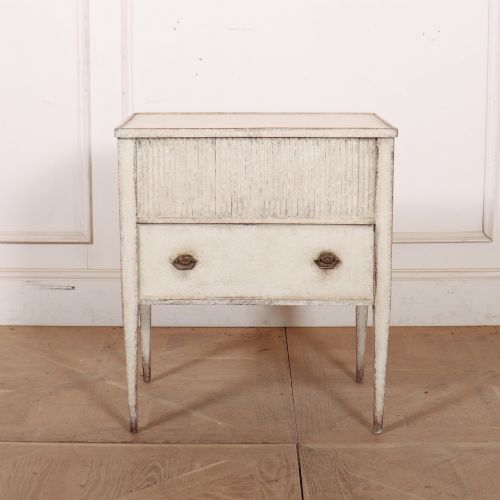
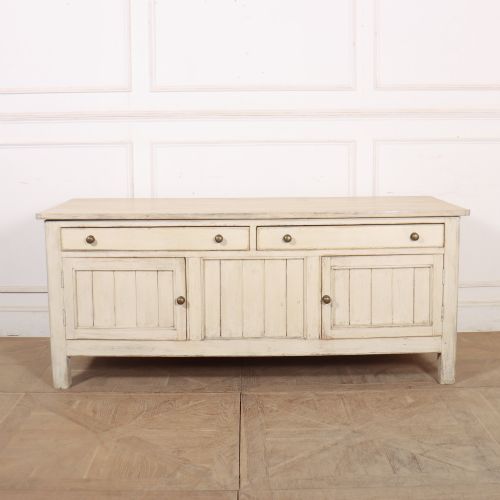
When you search for a cream wood cabinet, you encounter a diverse selection of storage furniture unified by painted timber surfaces in pale or cream tones. The pieces range from substantial French buffets and English breakfront dresser bases to smaller bedside chests and wall-hanging vitrines.
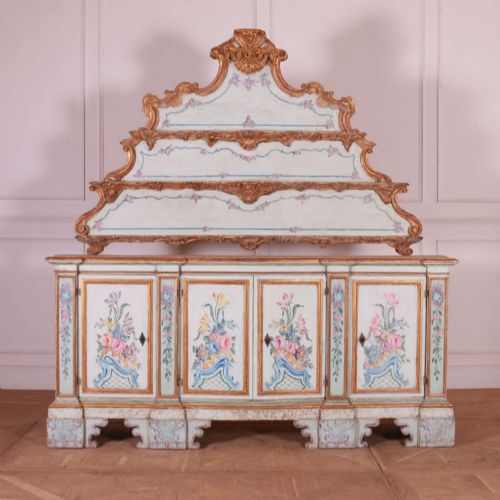
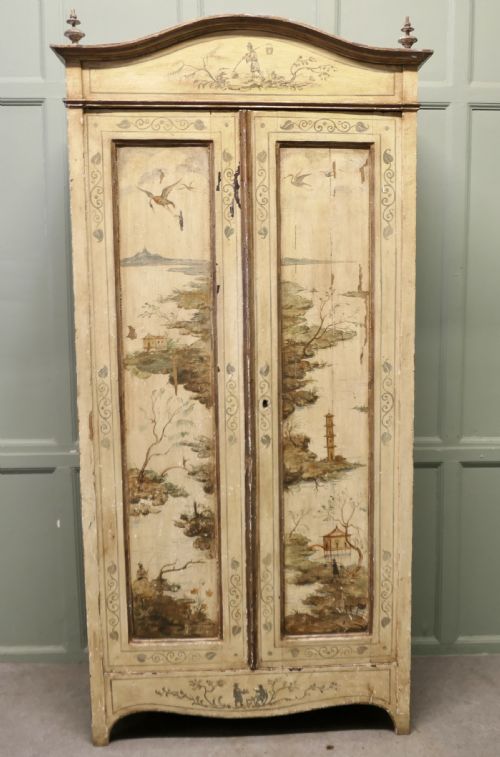
The origins stretch across European traditions, incorporating French Provincial, Venetian Rococo, Italian Rococo, Louis XVI Style, Chinoiserie, and Scandinavian Country aesthetics. You are most likely to meet 19th-century examples alongside 18th-century originals and early 20th-century adaptations.
Form follows function across sideboards, cupboards, linen presses, bookcases, and side cabinets. Each piece displays the distinctive character of painted wood, often finished with decorative details like gilding or lacquer work.
Materials and construction
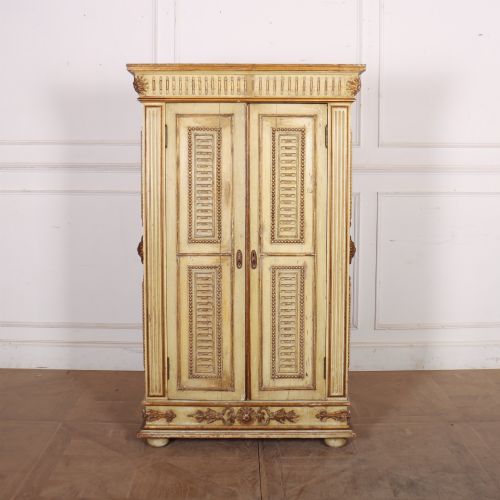
Makers utilised pine and general wood as the primary structural substrate for these painted pieces. Surfaces received coats of paint, sometimes layered with gold leaf or giltwood to accentuate carved mouldings and architectural details.
Glazing appears on bookcases and vitrines to protect displayed contents behind glass panels. Brass hardware frequently furnishes handles, hinges, and escutcheons on doors and drawers.
Cream Wood Cabinet Retail Price Guide 2026
Typical asking prices for cream wood cabinet among the pieces listed under this phrase on Sellingantiques today, from the lower quarter to the upper quarter. They describe what is for sale here now, not the wider market.
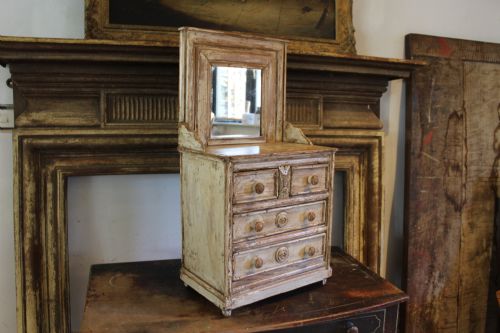
Apprentice chests allowed young woodworkers to demonstrate their mastery of cabinetmaking by scaling down complex furniture designs into miniature masterpieces.
Evaluating quality and finish
Quality rests in the integrity of the original paint surface and the subtlety of decorative embellishments such as Chinoiserie lacquer work or parcel gilt highlights. Finer examples maintain harmonious proportions across large forms like library bookcases and breakfront dresser bases.
Construction methods distinguish everyday utility pieces from grander regional furniture, seen in the joinery of drawers and the fitting of doors on buffets and linen cupboards.
The Cream Wood Cabinet Glossary
- Buffet
- A sideboard or cabinet used for storing and displaying dining utensils and food. These pieces often feature substantial cupboard space below a flat top surface.
- Breakfront
- A piece of furniture with a central section that projects forward from the flanking wings. This architectural layout adds depth and visual rhythm to large bookcases and sideboards.
- Vitrine
- A glass-fronted cabinet designed for displaying porcelain, books, or curiosities. Wall-hanging versions keep precious objects visible while saving floor space.
- Chinoiserie
- European decorative style inspired by Chinese artistic traditions, often featuring painted outdoor scenes and motifs on lacquered surfaces. It gained popularity in elite interiors during earlier centuries.
- Parcel Gilt
- Partially gilded woodwork where gold leaf highlights specific carved details, mouldings, or motifs against a painted background. This technique adds depth and catches the light.
Cream Wood Cabinet: Frequently Asked Questions
How do I clean a painted wooden cabinet?
Dust gently with a soft, dry cloth to protect the painted finish from abrasion.
Avoid harsh chemical cleaners or excess moisture, which can damage aged paint and giltwood details.
Are these cabinets suitable for modern kitchens?
Sideboards, dresser bases, and cupboards offer generous storage for crockery, linens, and dry goods in contemporary spaces.
Their painted timber surfaces introduce historic character and warmth to modern interiors.
How can I tell an 18th-century piece apart from later styles?
Eighteenth-century examples often display hand-wrought construction marks, authentic period timber shrinkage, and genuine aged paint patination.
Later 19th-century and 20th-century revivals adopt historical forms while utilising the manufacturing techniques of their respective eras.
What is a buffet de corps?
A buffet de corps is a substantial two-body storage piece originating in France, combining a lower cupboard section with an upper display area.
These impressive cabinets provide maximum storage capacity for dining rooms and large living spaces.