

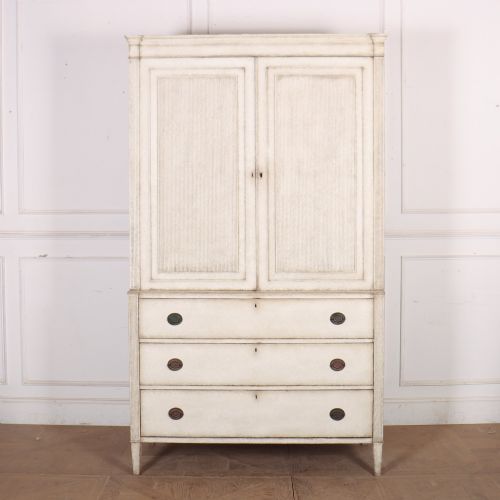
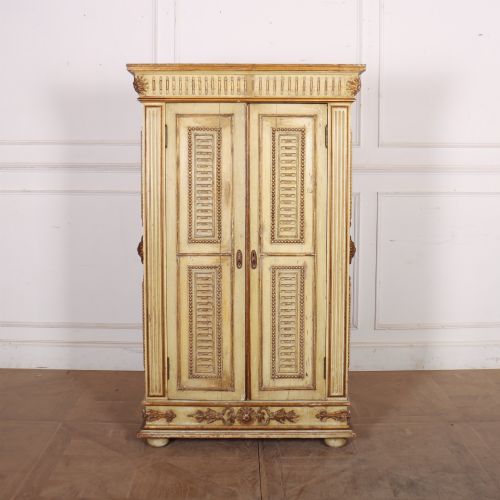


Cream Wardrobe
A cream wardrobe brings soft, painted charm to a bedroom, offering generous storage through tall panels and traditional cupboards.
Cream Wardrobe
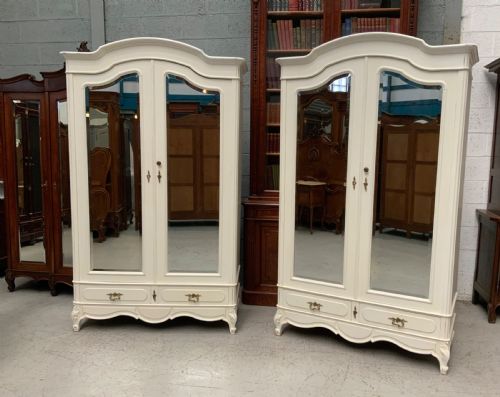
A cream wardrobe search uncovers a diverse range of large storage furniture, including French armoires, housekeepers cupboards, and linen presses. These pieces span from the eighteenth century through the Victorian era to nineteen-ten, drawing on English, French, Scandinavian, and Italian country traditions.
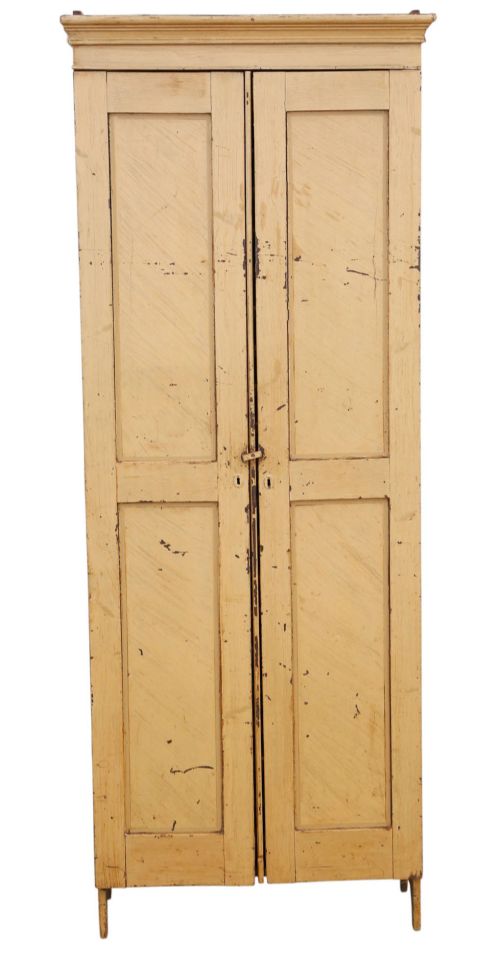
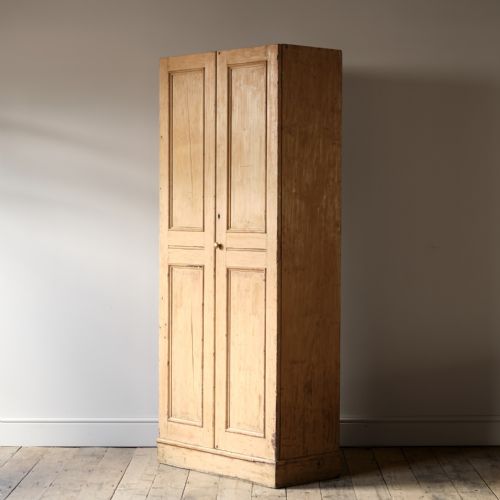
You are most likely to meet nineteenth-century painted pine cupboards and housekeepers cupboards on this page. They arrive in various forms, such as tall narrow kitchen cupboards, chapel cupboards, and original country house wardrobes.
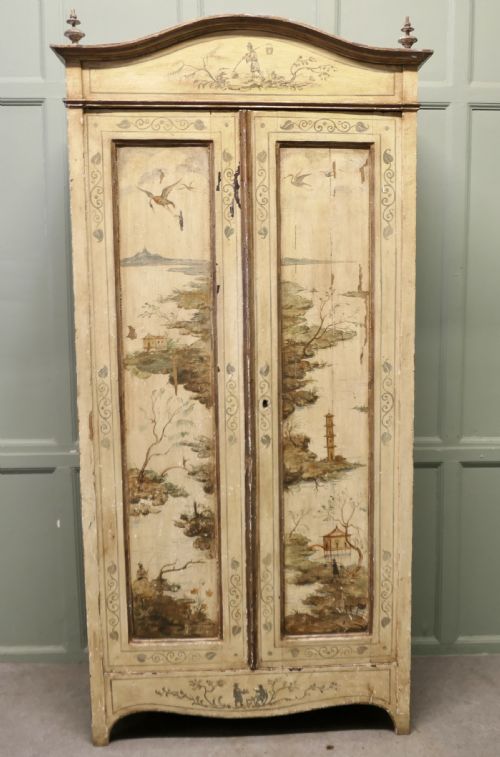
Several pieces display distinct decorative styles alongside their painted surfaces, including Chinoiserie lacquer decorated with outdoor scenes and Italian neoclassical revival designs. These items serve primarily as functional bedroom or hallway storage whilst anchoring a room with historic character.
How they were made
These items rely on solid timber construction, with pine serving as a principal material for traditional country furniture. Painted wood and layered paint finishes create the characteristic surface appearance seen across the centuries.
Hardware details involve brass and iron fittings, which secure the heavy doors and drawers of large armoires and linen cupboards. Glass elements occasionally appear, alongside specialised lacquer work for Chinoiserie decorative pieces.
Cream Wardrobe Retail Price Guide 2026
Typical asking prices for cream wardrobe among the pieces listed under this phrase on Sellingantiques today, from the lower quarter to the upper quarter. They describe what is for sale here now, not the wider market.
Regional styles represented include French Chateau, English Country, Scandinavian Style, and Italian Neoclassical Revival.
What varies in quality
The sophistication of the painted finish separates standard utility pieces from finer decorative works. Original paint surfaces and intricate Chinoiserie lacquer scenes require high levels of artisan skill compared to simple layered household paint.
Structural integrity depends on the quality of the timber joints and the preservation of heavy brass and iron hardware. Pieces retaining their original proportions and unaltered interiors stand apart from heavily restored examples.
The Cream Wardrobe Glossary
- Armoire
- A tall cupboard or wardrobe, typically featuring double doors and originating from French cabinet-making traditions. These large pieces provide substantial hanging or shelf storage.
- Housekeepers cupboard
- A large traditional storage unit traditionally used in domestic service for linens and provisions. They often combine upper cupboard space with lower drawer sections.
- Linen press
- A tall piece of furniture designed specifically for storing folded linen and garments. The upper section usually contains sliding shelves or trays.
- Pine
- A softwood commonly utilised in country furniture for its workability and availability. It forms the structural carcass for many painted nineteenth-century cupboards.
Cream Wardrobe: Frequently Asked Questions
What is a cream wardrobe?
A cream wardrobe is a large storage piece finished in a pale painted surface, encompassing French armoires, linen cupboards, and housekeepers cupboards.
These items date from the eighteenth century to the early twentieth century, offering substantial storage capacity within a traditional silhouette.
Where do these pieces originate?
The listings include examples from English, French, Scandinavian, and Italian provincial traditions. Each region imparted distinct regional proportions and decorative traits to its painted furniture.
French pieces often lean towards decorative armoires, whereas English items frequently comprise pine housekeepers cupboards.
How do I live with one?
These tall cupboards require adequate wall space and clearance for large opening doors. Their neutral painted tones blend easily with various interior colour schemes.
Ensure heavy items are positioned securely, utilising the internal shelving or hanging space to organise everyday belongings.
How do I date these pieces?
Dating relies on examining construction methods, timber types, and the characteristics of the paint finish. Eighteenth-century pieces display different joinery techniques compared to Victorian pine examples.
Stylistic cues such as neoclassical revival details or Chinoiserie lacquer also help determine the period of origin.