


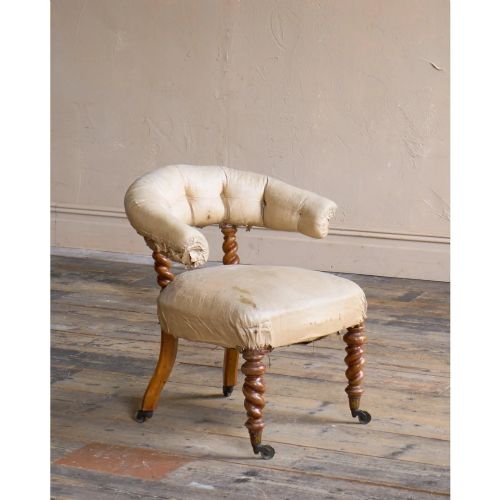
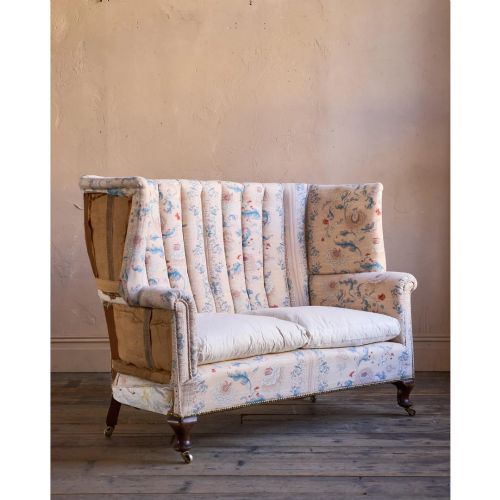
Cream Victorian Armchair
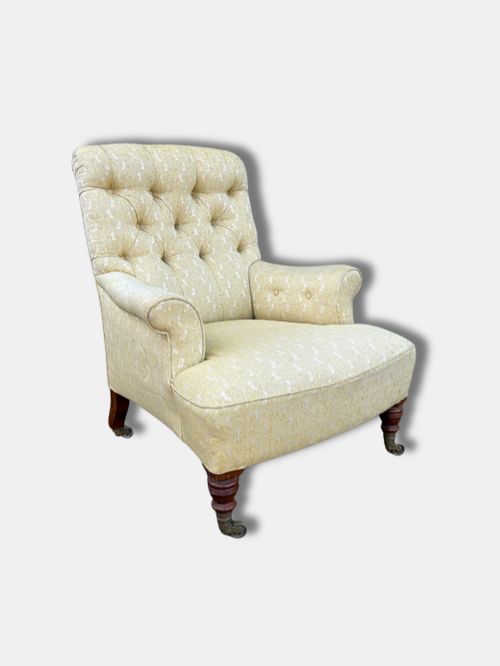
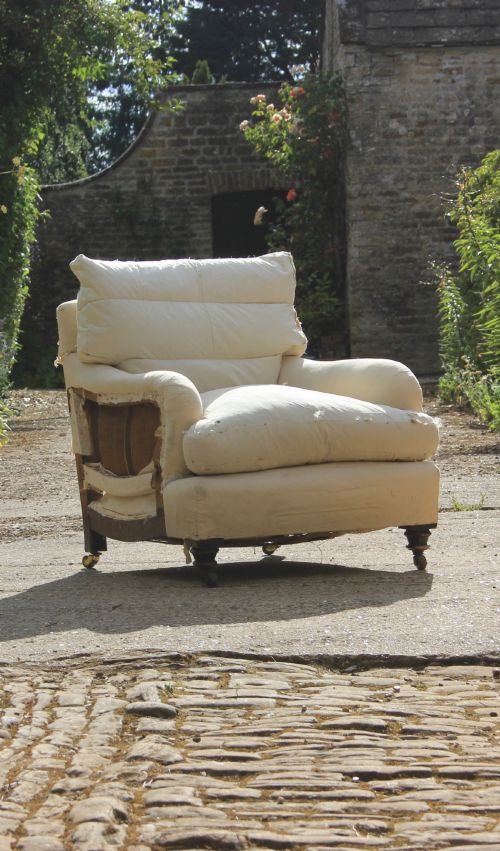
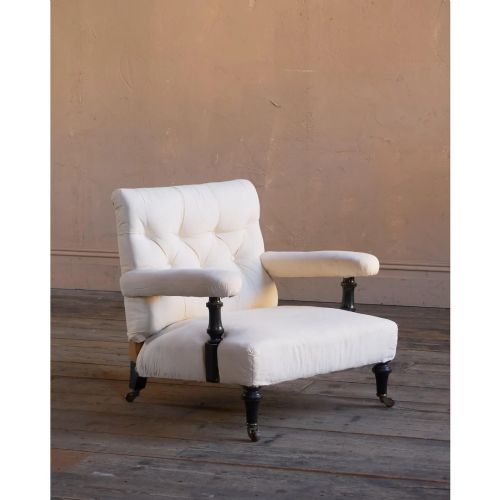
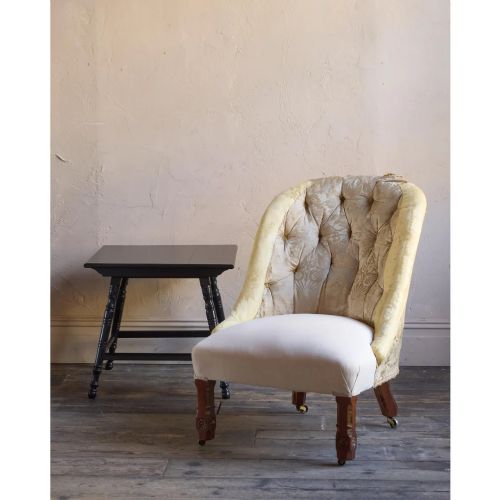
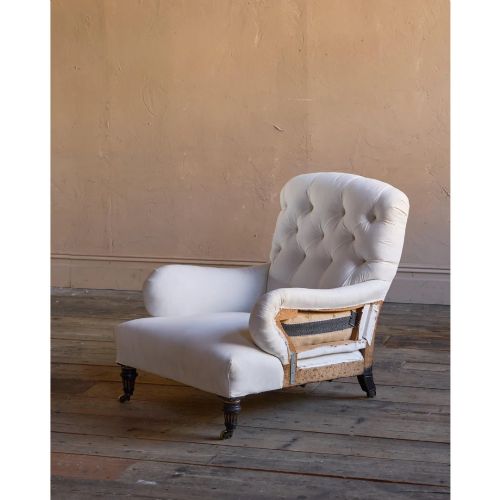
A cream victorian armchair brings tactile warmth and period form to a room, offering deep seats upholstered in calico, fabric or hessian.
Cream Victorian Armchair
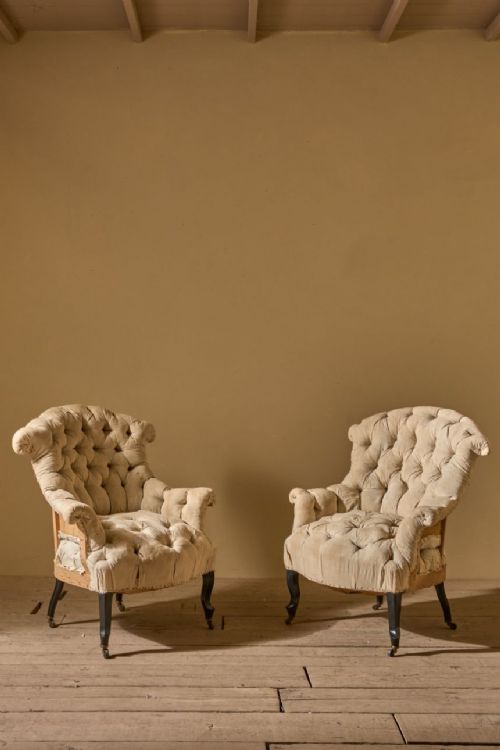
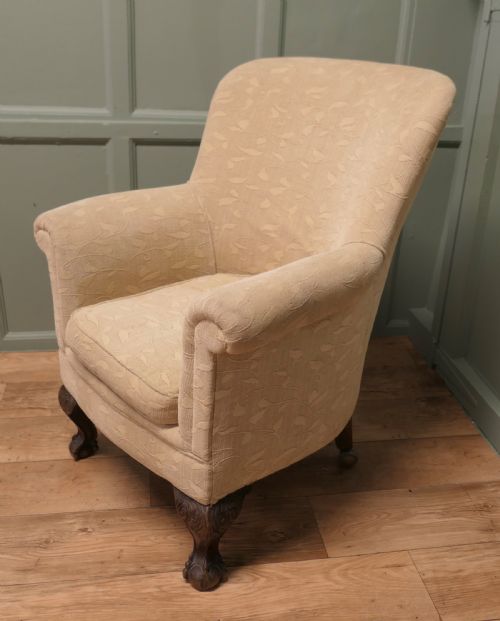
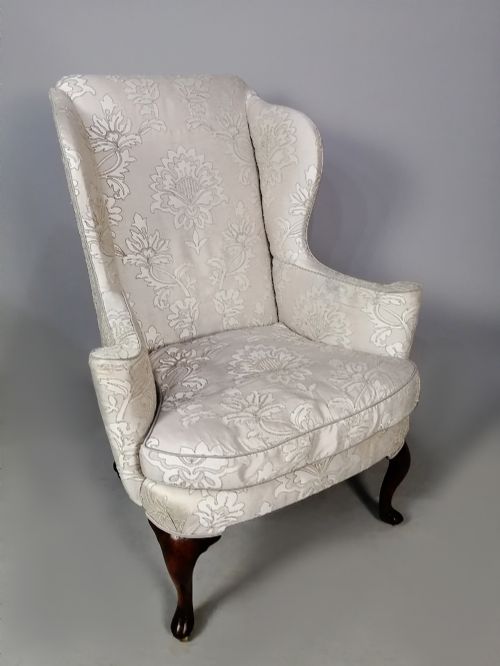
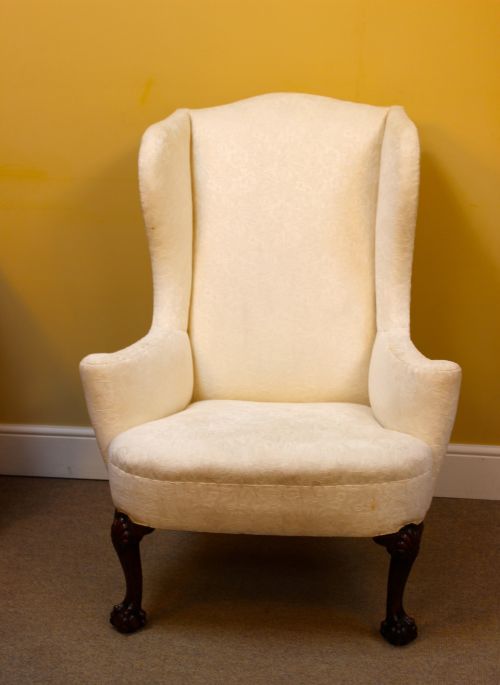
A cream victorian armchair encompasses nineteenth-century seating built across various stylistic revivals, including French Napoleon III, Baroque and Aesthetic Movement pieces. The selection on this page leans heavily into nineteenth-century English and French frames, spanning wing armchairs, tub chairs and salon suites.
Buyers will encounter sturdy walnut, mahogany and oak timbers beneath neutral upholstery, alongside distinct maker-attributions such as Howard and Sons. These items serve as functional reading chairs, fireside seats or drawing room additions.
Materials and Construction
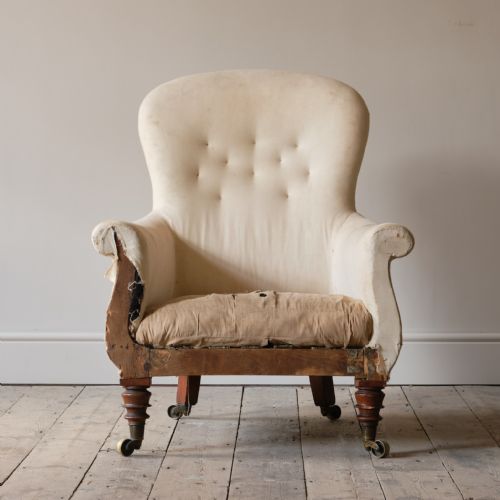
Makers utilised hardwood frames of walnut, mahogany and oak, often incorporating brass castors and exposed timber legs carved with cabriole or fluted details. Structural support relies on traditional webbing and springs beneath layers of hessian and calico.
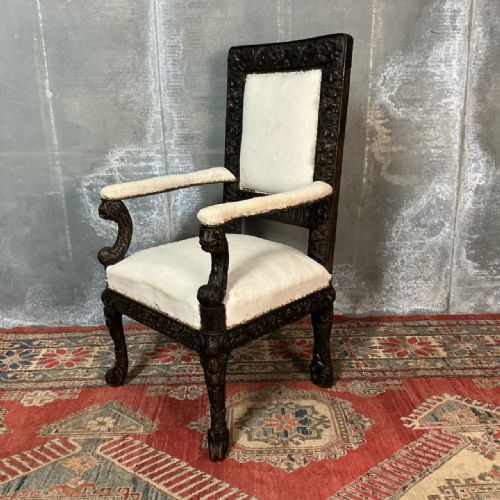
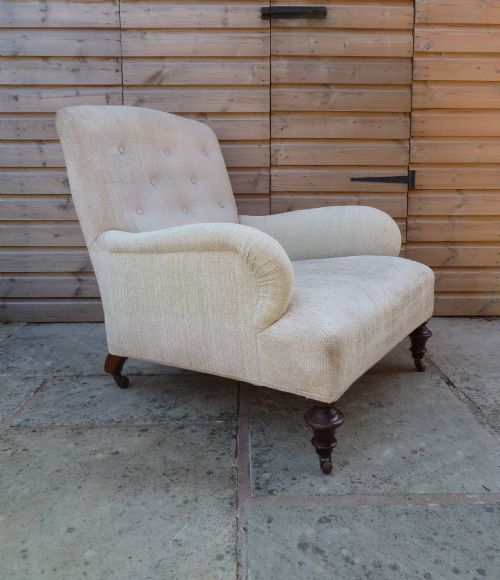
Upholstery techniques range from buttoned backs and tight cushioning to crewelwork embroidery and modern cream fabric replacements. Frames exhibit hand-carved ornamentation, lion heads or simpler turned wooden supports.
The selection includes French Napoleon III, Baroque Revival, Aesthetic Movement and English Country House styles across various armchair and salon suite forms.
Judging Quality
Quality rests in the integrity of the underlying hardwood frame, the depth and resilience of the traditional upholstery build, and the subtlety of the timber carving. Pieces bearing maker stamps or attributed workshops command greater interest due to documented provenance.
Proportions and stability define the superior examples, where frames remain rigid and joinery shows careful hand execution rather than mass production. The harmony between the exposed timber and the fabric finish determines the overall visual balance.
Howard and Sons·C. Hindley and Sons·Mellier and Co
The Cream Victorian Armchair Glossary
- Calico
- A plain-woven cotton fabric frequently used as an underlying tight upholstery cover on antique armchairs. It provides a neutral base before decorative top covers are applied.
- Hessian
- A coarse woven fabric, often made from jute, used inside traditional upholstery to support stuffing materials. It forms a durable foundation for nineteenth-century seat construction.
- Cabriole leg
- A furniture leg that curves out and then tapers inward, resembling an animal's curving leg. This shape appears frequently on Victorian walnut and mahogany seating.
- Wingback
- An armchair with side panels, or wings, attached to the back arm. These panels historically protected the sitter from draughts and retained fireplace heat.
- Napoleon III
- A nineteenth-century French style associated with eclectic revivals, deep buttoning and luxurious upholstery. Pieces from this aesthetic often feature curved lines and elaborate trimming.
Cream Victorian Armchair: Frequently Asked Questions
How do I identify a Victorian armchair?
Look for nineteenth-century timber frames constructed from walnut, mahogany or oak, combined with period design elements such as buttoned upholstery, cabriole legs or turned supports. Examining the underlying materials like hessian and calico also helps verify nineteenth-century manufacturing methods.
Context and construction details, including hand-carved decorative motifs and traditional joinery, distinguish these nineteenth-century seats from later reproductions.
Where should I place a cream armchair?
A cream armchair suits drawing rooms, studies or bedrooms as a dedicated reading seat or fireside chair. The neutral upholstery tone allows it to anchor various interior schemes, from English country house styles to formal Victorian settings.
Posing the chair alongside wooden side tables or matching footstools creates a functional and visually balanced arrangement within a living space.
What is a Howard style armchair?
A Howard style armchair refers to deep, comfortable seating modeled after the famous nineteenth-century firm Howard and Sons. These chairs typically feature low rolled arms, substantial proportions and concealed castors.
They are celebrated for exceptional comfort and understated English craftsmanship, making them highly sought after by collectors and interior designers alike.
How do I care for antique upholstery?
Protect the fabric by keeping the chair away from direct sunlight to prevent fading of the cream calico or textile cover. Regular gentle vacuuming with a soft brush attachment removes dust without stressing the historic fibres.
Avoid harsh chemical cleaners on nineteenth-century textiles, opting instead for professional textile conservation methods when deep cleaning becomes necessary.