


Cream Porcelain Pitcher
These cream porcelain pitcher pieces combine fine ceramic bodies with functional forms suited to table service.
Cream Porcelain Pitcher
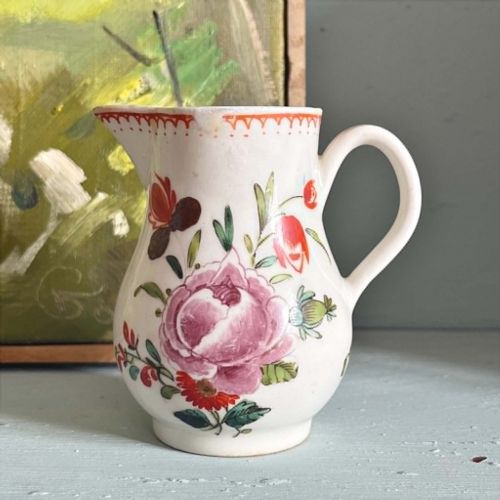
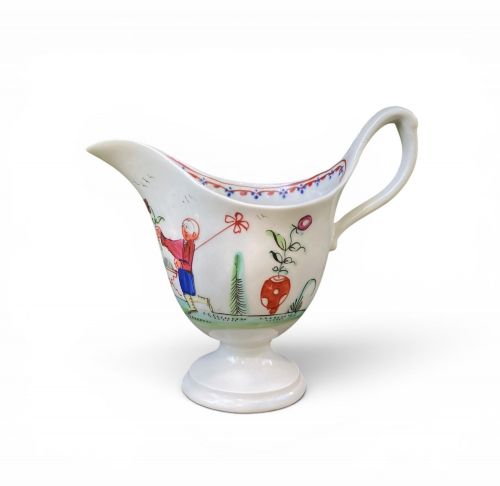
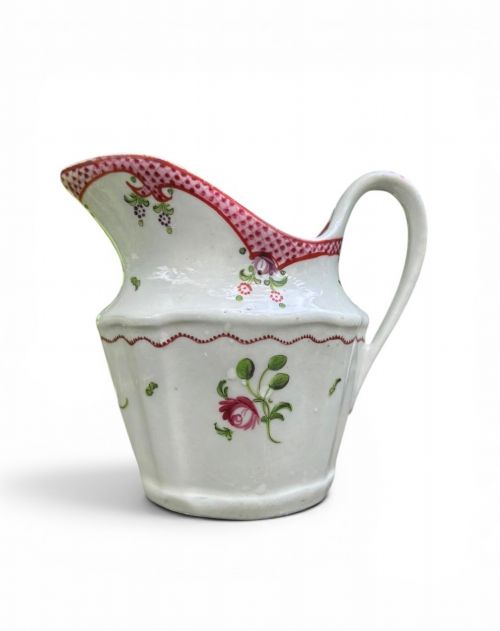
A cream porcelain pitcher sits within a long tradition of ceramic tableware, encompassing small cream jugs, sparrowbeak creamers, milk jugs, and decorative ewers. The examples gathered here span periods from the mid-eighteenth century through the nineteenth and twentieth centuries, showing the evolution of domestic vessels.
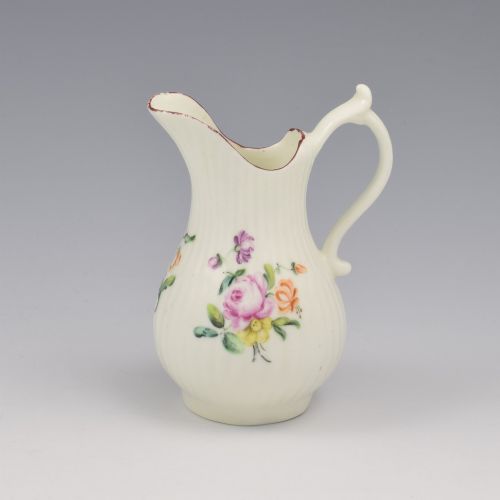
The forms range from early fluted baluster bodies and clip-handled vessels to later Victorian blush ivory ewers and painted fruit services. English factories such as Worcester, Derby, Bow, New Hall, and Coalport appear alongside continental works from Meissen and Old Paris.
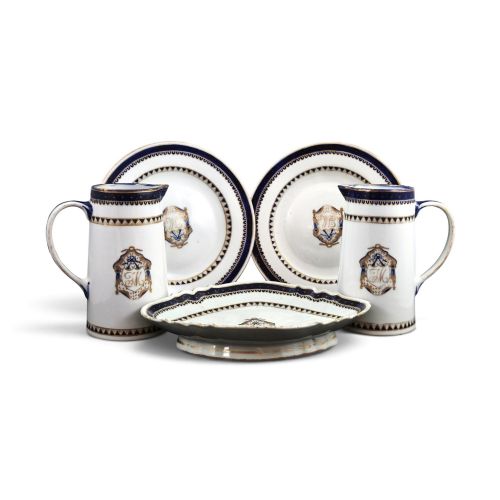
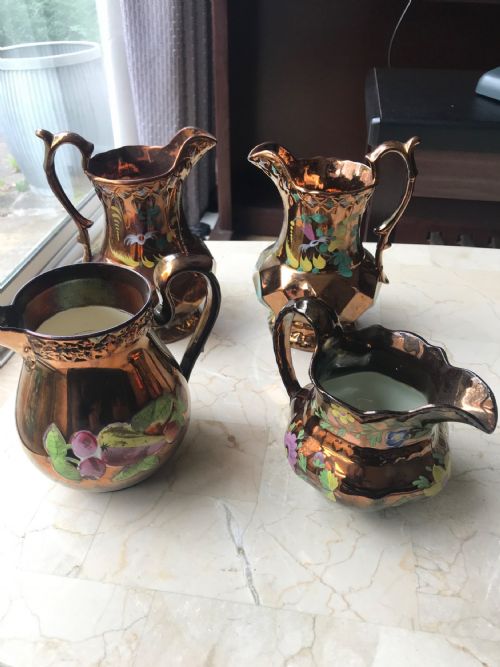
Buyers encounter various classifications within this category, including Chinese export porcelain decorated with monograms or famille rose palettes, and Staffordshire ceramic pieces enhanced with copper lustre or hand-decorated fruit motifs.
Materials and methods
The objects are formed from hard-paste porcelain, soft-paste porcelain, earthenware, or standard ceramic bodies, shaped by hand or moulded into specific profiles like the sparrowbeak and baluster forms.
Decoration relies on polychrome floral painting, handpainted birds, insects, views of abbeys, and botanical studies, often supplemented by enamel colours, gilding, gold leaf, and copper lustre applications.
The listings span soft-paste and hard-paste porcelain, earthenware, and ceramic bodies decorated with enamel, gilding, and copper lustre.
Distinctions in quality
Quality rests upon the fineness of the porcelain paste, the crispness of moulded details such as ribs and fluting, and the precision of the hand-painted decoration. Early eighteenth-century pieces display delicate potting and subtle enamel application.
Later nineteenth-century and twentieth-century works, particularly those from Royal Worcester, demonstrate technical skill through blush ivory grounds and detailed artist signatures, such as Stinton or Freeman.
Derby Porcelain·Bow porcelain·New Hall·Meissen·Royal Worcester·John Rose Coalport·Doulton Burslem
The Cream Porcelain Pitcher Glossary
- Sparrowbeak creamer
- A small eighteenth-century milk or cream jug characterised by a distinctive narrow, pinched spout resembling a bird beak.
- Baluster
- A vertical architectural form with a rounded lower body tapering to a narrower neck, frequently seen in eighteenth-century jug profiles.
- Ewer
- A large pitcher with a wide spout and scroll handle, often produced as a decorative or display piece rather than for practical table service.
- Blush ivory
- A matte cream-coloured ceramic ground developed by Royal Worcester, typically decorated with polychrome floral motifs and gilding.
- Copper lustre
- A metallic glaze technique applied to ceramics to produce an iridescent, reflective copper finish.
Cream Porcelain Pitcher: Frequently Asked Questions
What is a sparrowbeak jug?
A sparrowbeak jug is an eighteenth-century ceramic cream or milk vessel featuring a distinctively pinched, narrow pouring lip that resembles a bird's beak. These pieces were standard components of tea services from factories like Bow and Worcester.
They usually stand a few inches high and display handpainted floral or Chinese export enamel decoration.
How do I date an antique porcelain jug?
Dating relies on body material, factory marks, style, and potting techniques. Eighteenth-century pieces often use soft-paste porcelain with delicate painted floral motifs, while nineteenth-century works incorporate printed or impressed factory ciphers.
Style indicators such as Rococo revival scrolls or Georgian shapes also provide clear chronological markers.
Are these pitchers suitable for daily use?
Most antique porcelain and ceramic pitchers require careful handling due to their age and delicate painted enamel or gilt decoration. Hand washing in lukewarm water without abrasive cleaners preserves the glaze and surface detail.
Many collectors prefer to display them as part of a cabinet collection rather than subjecting them to everyday dining service.