
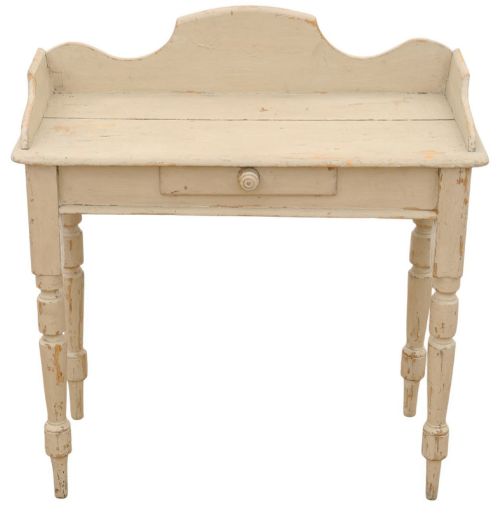
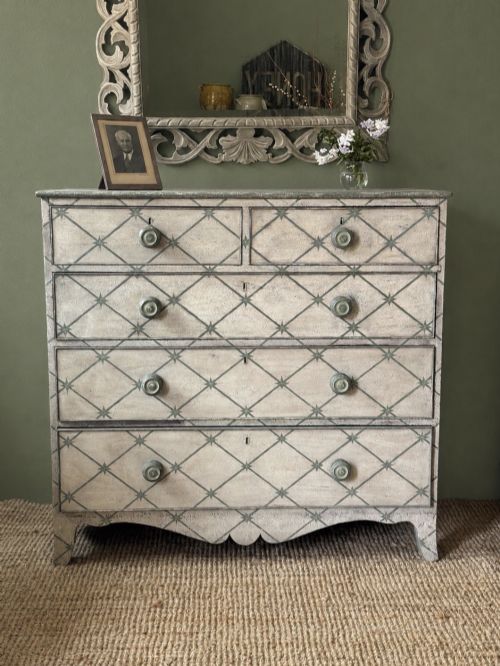
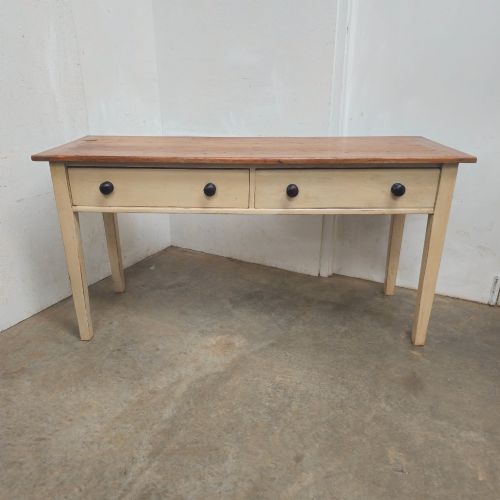
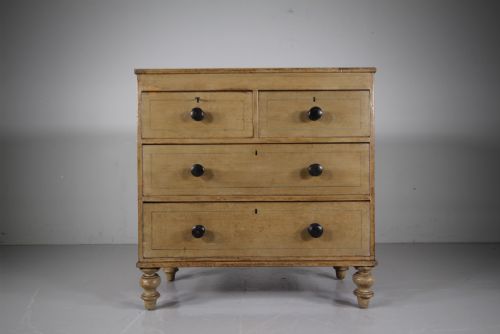
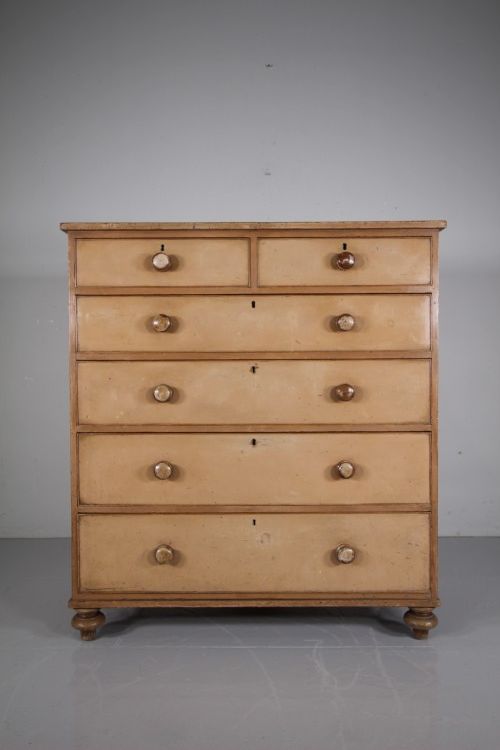
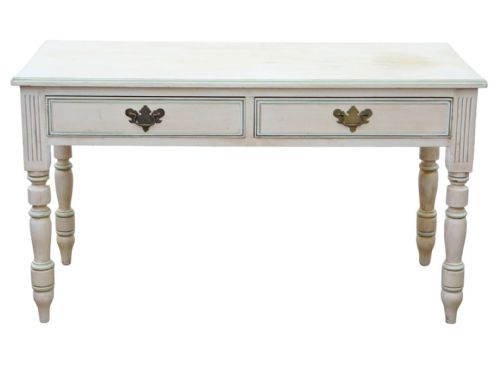
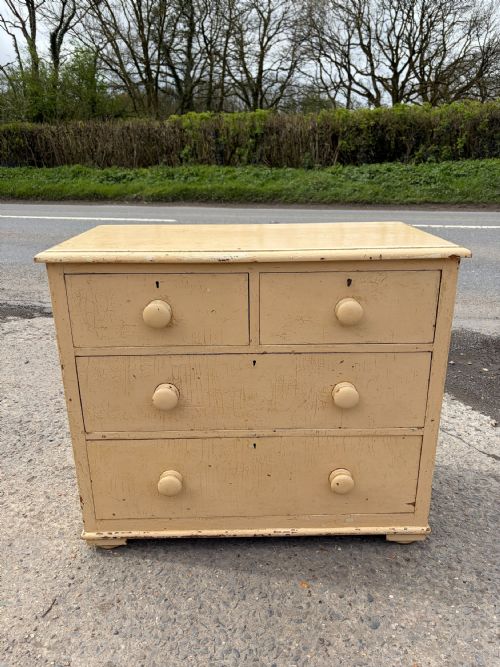


Cream Pine Drawers
Cream pine drawers bring honest utility and soft, historic colour to a room, offering practical storage with the charm of aged painted surfaces.
Cream Pine Drawers
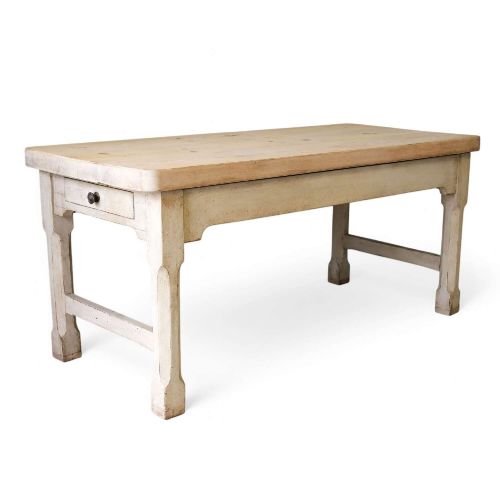
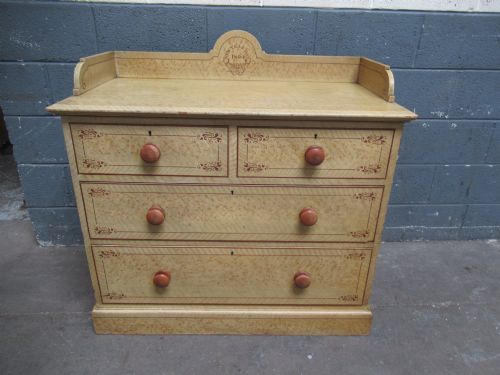
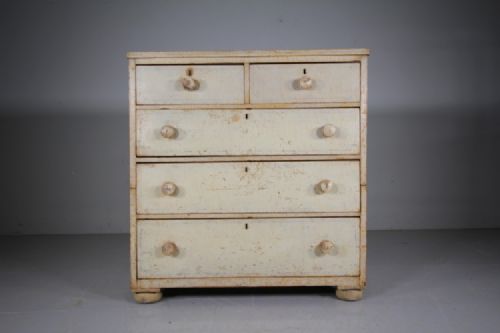
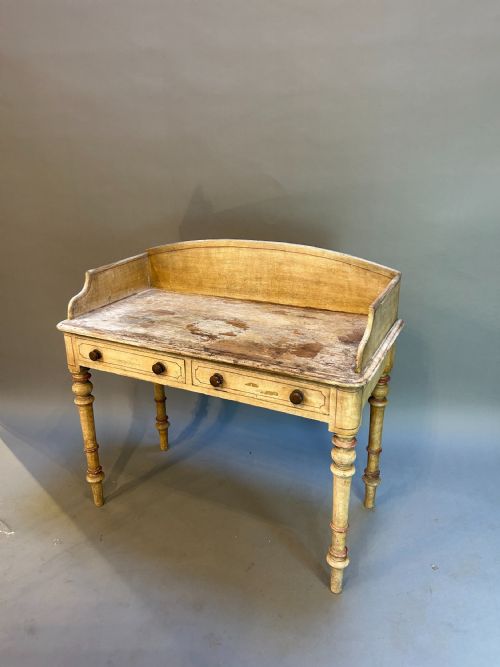
When you search for cream pine drawers, you find practical storage furniture built from softwood and finished in painted coatings. These pieces span several eras, appearing as chest of drawers, desks, and sideboards from the eighteenth, nineteenth, and early twentieth centuries.
The most frequent form on this page is the nineteenth century pine chest of drawers, often featuring regional English or Victorian country styling. Alongside standard chests, the selection includes prep tables, dressers, and specialised multi-drawer shop fittings.
Origins vary from English country workshops to continental examples such as Hungarian pieces, reflecting domestic and commercial utility. The common thread is softwood construction combined with painted surfaces, ranging from original finishes to later decorative coats.
How they were made
Makers built these pieces primarily using pine timber, a softwood selected for its accessibility and workability in country workshops. Joinery methods relied on traditional techniques suited to utilitarian furniture, creating sturdy carcases designed for everyday domestic or commercial service.
Surfaces received coats of paint, sometimes in cream or allied historic shades, applied either when first manufactured or during subsequent decades of use. Metal hardware, including brass pulls and iron fittings, completed the construction alongside occasional glass elements.
What varies in quality
Quality in these pieces rests upon the integrity of the original construction and the preservation of the painted surface. Pieces retaining their early or original paint layers command greater interest among collectors than those with heavy modern refinishing.
Proportion and regional character also dictate distinction, with well-balanced proportions and untouched country house provenance elevating a simple utility item into a piece of decorative merit.
The Cream Pine Drawers Glossary
- Pine
- A softwood timber widely used for vernacular and country furniture due to its abundance and ease of working. It forms the primary structural material for the pieces gathered here.
- Chest of Drawers
- A staple form of storage furniture comprising multiple horizontal drawers stacked vertically within a wooden carcase. They appear across Georgian, Victorian, and Regency periods.
- Potboard Dresser
- A traditional kitchen or dining room sideboard featuring an open lower shelf, known as a potboard, positioned beneath the main counter or drawer section. These items served functional roles in domestic food preparation.
- Commode
- A term historically applied to low chests of drawers or cabinets designed for bedroom use. In country pieces, this often describes robustly built pine storage units.
- Shop Fitting
- Commercial furniture built for retail environments, such as multi-drawer cabinets designed to hold stock. These utilitarian pieces often display numerous small drawers.
Cream Pine Drawers: Frequently Asked Questions
Are these drawers made of solid pine?
Yes, the pieces listed are constructed from pine timber throughout their carcases and drawer linings, aligning with traditional country workshop practices.
Secondary woods might occasionally appear in structural backing boards or internal drawer framing, but pine remains the dominant material.
How do I care for painted pine furniture?
Protect the painted surfaces by keeping pieces away from direct sunlight and excessive moisture fluctuations, which can cause the softwood underneath to expand or contract.
Dust gently with a dry cloth and avoid harsh chemical cleaners that might compromise historic or original paint layers.
What is the difference between original and later paint?
Original paint refers to the earliest decorative or protective coating applied when the furniture was first made, showing natural wear consistent with age.
Later paint indicates that the piece was redecorated during a subsequent period, which alters the historical surface texture but can still provide a pleasing decorative finish.
Where were these pieces originally used?
Most of these items served practical roles in domestic settings such as country houses, farmhouses, and dairies, while others came from commercial spaces like shops.
Their robust construction was intended for heavy everyday service rather than formal display in grand reception rooms.