
Cream Painted Carving
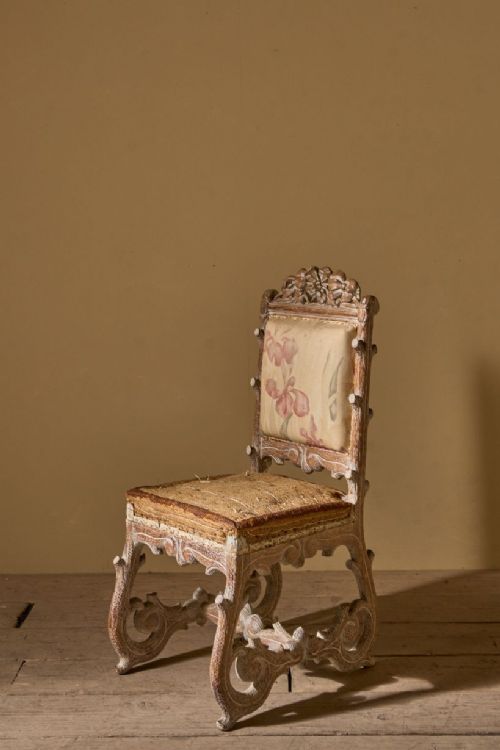
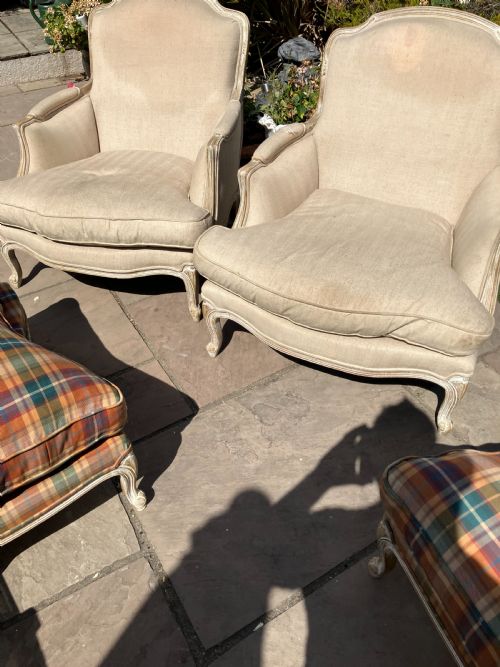
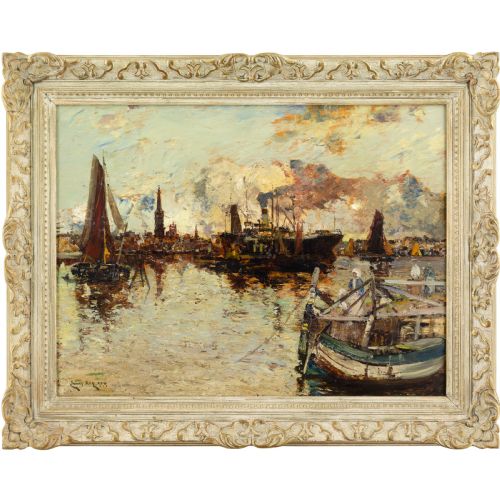
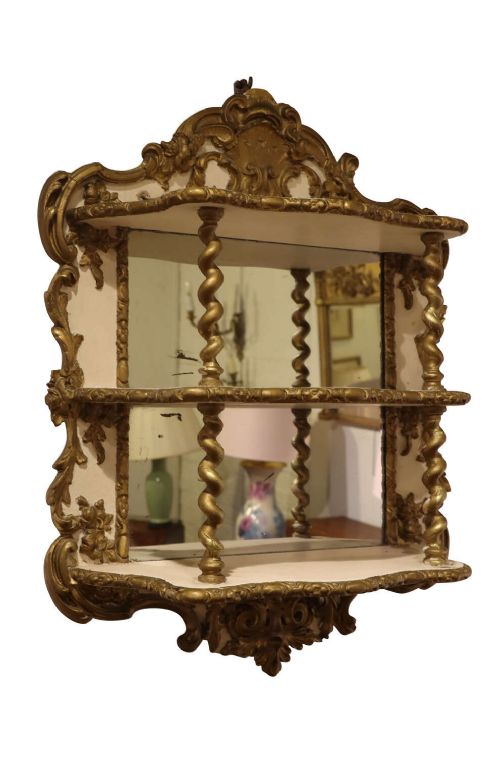
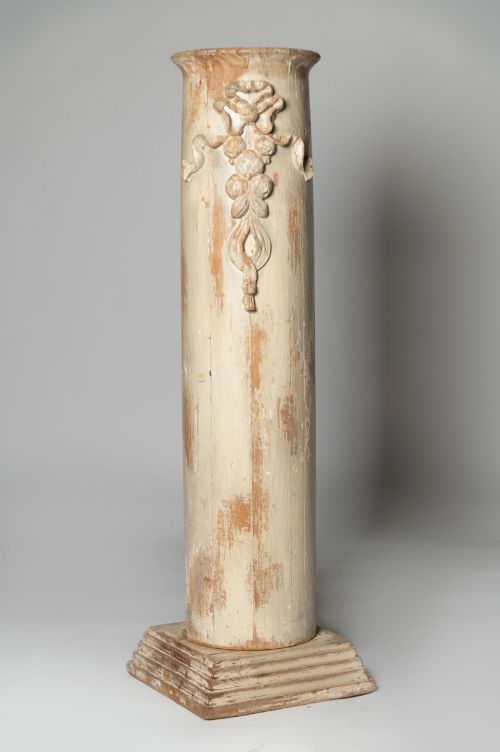
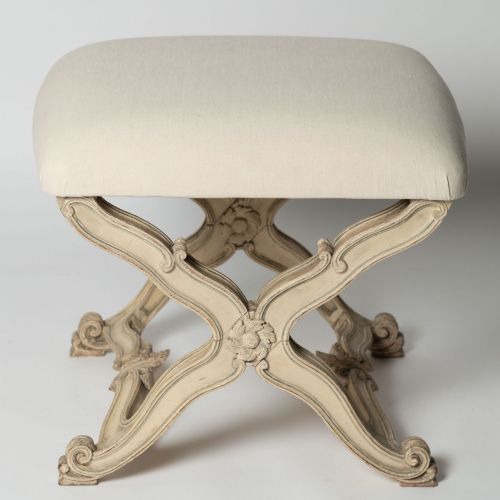
Cream painted carving brings together sculpted wooden forms and soft painted surfaces, offering rooms a lighter, weathered decorative character.
Cream Painted Carving
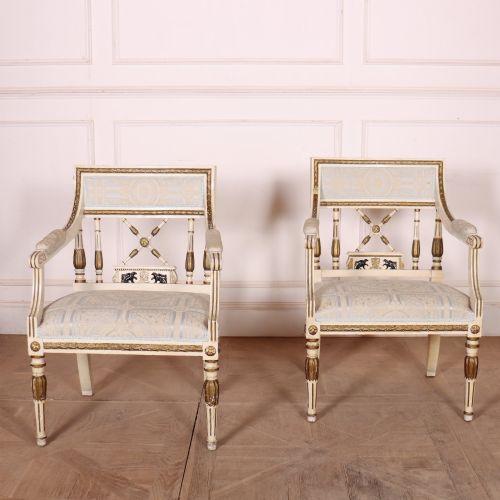
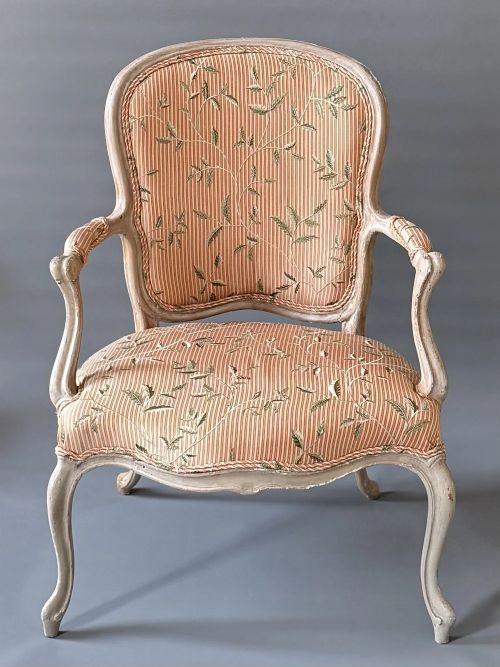
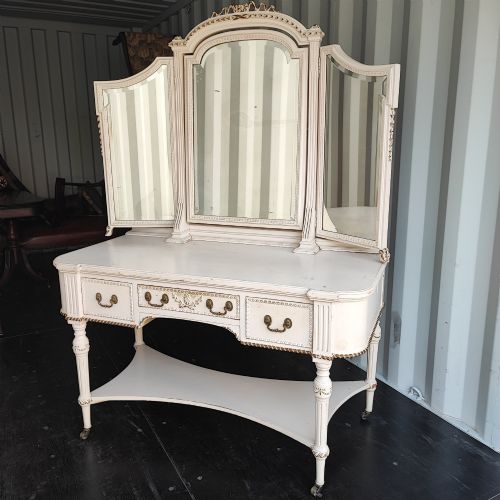
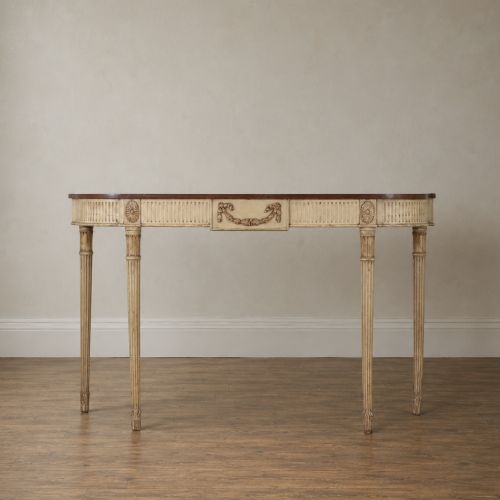
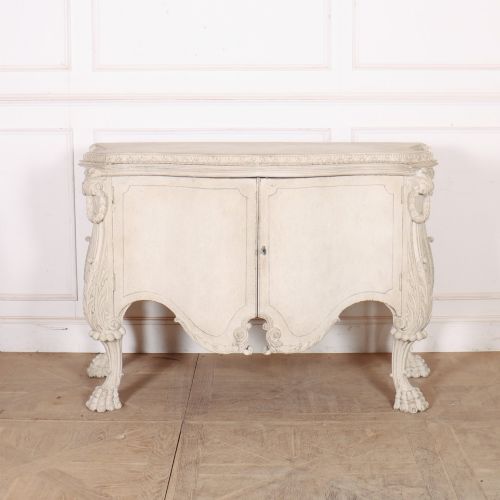
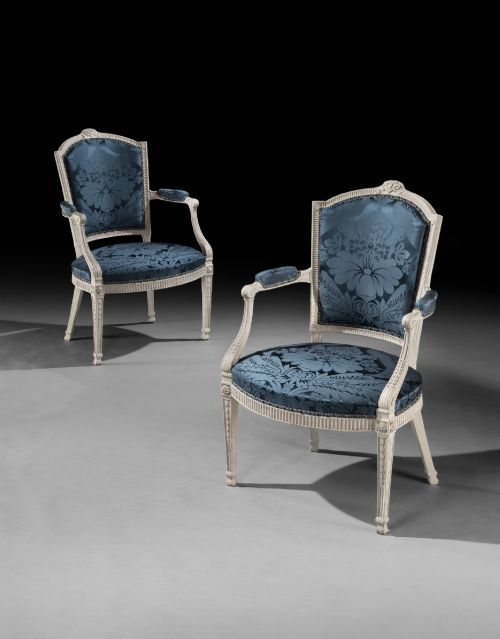
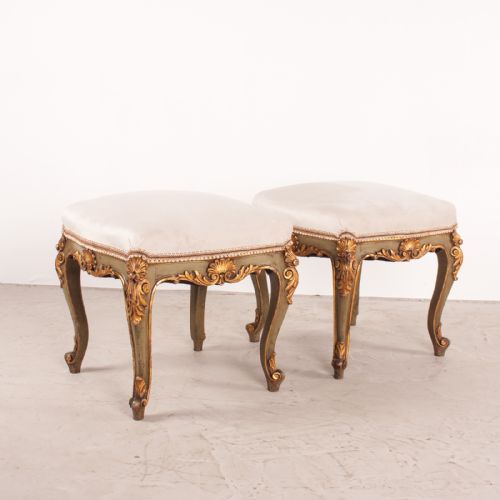
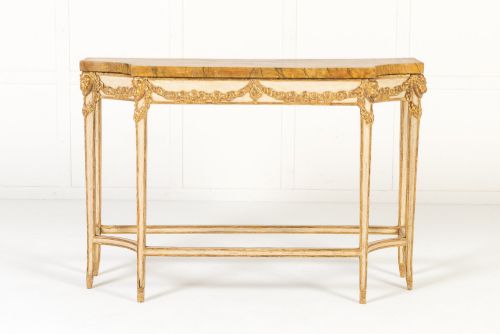
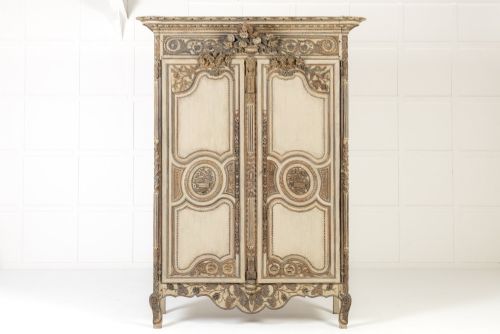
Cream painted carving encompasses seating, mirrors, and console tables originating across the eighteenth, nineteenth, and twentieth centuries. These pieces emerge predominantly within French, Italian, and Swedish stylistic traditions, drawing on regional interpretations of classical and rococo designs.
Armchairs, wall mirrors, and console tables dominate the selection, often carrying painted finishes that soften heavier carved timber details. The visible periods stretch from eighteenth-century craftsmanship through to mid-twentieth-century interpretations of earlier continental forms.
Materials and Technique
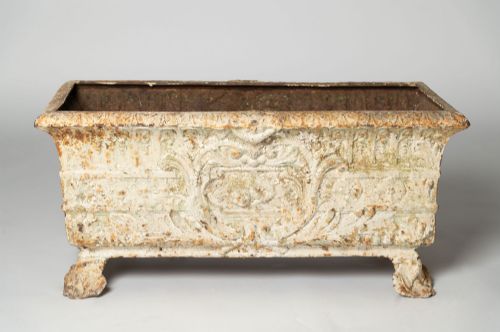
Wood serves as the primary substrate, shaped by hand to create intricate sculptural motifs across frames, mouldings, and legs. Craftsmen apply layered paint directly to the timber, sometimes incorporating gesso grounds to build crisp relief before finishing in cream tones.
Gilt highlights and parcel gilding frequently accent the carved elements, catching light against the matte cream paint. Artisans utilise traditional joining methods suited to each period, ensuring the structural integrity beneath the decorative surface.
Even a simple pine overmantel or footstool undergoes transformation when cloaked in centuries of cream paint and carved relief.
The Spectrum of Workmanship
The precision and depth of the hand-carved elements dictate the refinement of a piece, separating mechanical repetition from fluid, organic execution. Crisp execution in floral swags, scrolls, and classical motifs indicates superior workshop output.
The application and retention of the painted surface also define the standard, where layered historical paint patinas display greater visual depth than uniform modern coatings. The harmony between the underlying woodwork and the surface finish determines the overall cohesion.
The Cream Painted Carving Glossary
- Parcel Gilt
- Woodwork decorated with thin applications of gold leaf to selected carved details while the main body retains a painted finish. This technique highlights specific mouldings or motifs against the cream ground.
- Gesso
- A plaster-like mixture applied to wood surfaces to create a smooth base for painting and gilding. It allows carvers to achieve sharp, defined edges on intricate decorative elements.
- Giltwood
- Timber carved specifically to be gilded with gold leaf rather than painted. It frequently appears alongside cream painted sections in continental furniture.
- Fauteuil
- An open-armed upholstered armchair with exposed wooden sides of French origin. These typically feature carved frames finished in painted or gilt treatments.
Cream Painted Carving: Frequently Asked Questions
How do I care for painted carved wood?
Dust surfaces regularly with a soft, dry cloth to prevent accumulation within carved recesses. Avoid harsh chemical cleaners that might degrade historical paint layers.
Keep pieces away from direct heat sources and strong sunlight to protect the wood and finish from drying or cracking.
Are these pieces strictly French?
While French designs heavily influence the selection, items also originate from Italian and Swedish workshops. Each region imparts distinct stylistic characteristics to the carving and paint application.
Italian pieces often favour bolder rococo gestures, whereas Swedish items lean towards restrained neoclassical or gustavian simplicity.
What does parcel gilt mean?
Parcel gilding involves applying gold leaf to specific raised portions of a carved design. The remaining areas are left in the primary cream paint.
This method creates contrast and draws the eye to particular structural details of the woodwork.
How do I distinguish nineteenth-century pieces?
Nineteenth-century items often draw direct inspiration from earlier Louis XIV, XV, or XVI styles during revival periods. Examination of the timber beneath the paint and the tool marks reveals the manufacturing era.
Construction methods and wear patterns on the painted surface help confirm the age of the piece.