


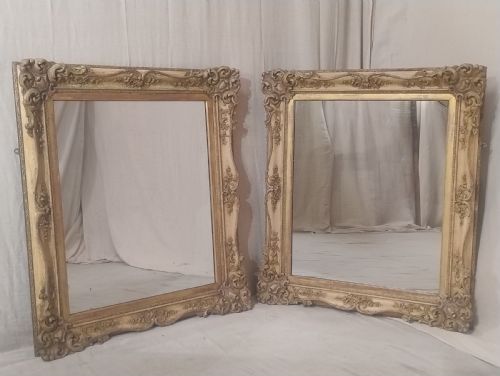


Cream Overmantel Wall Mirror
A cream overmantel wall mirror anchors a room above the hearth, bringing light and scale through painted wood and historic glass.
Cream Overmantel Wall Mirror
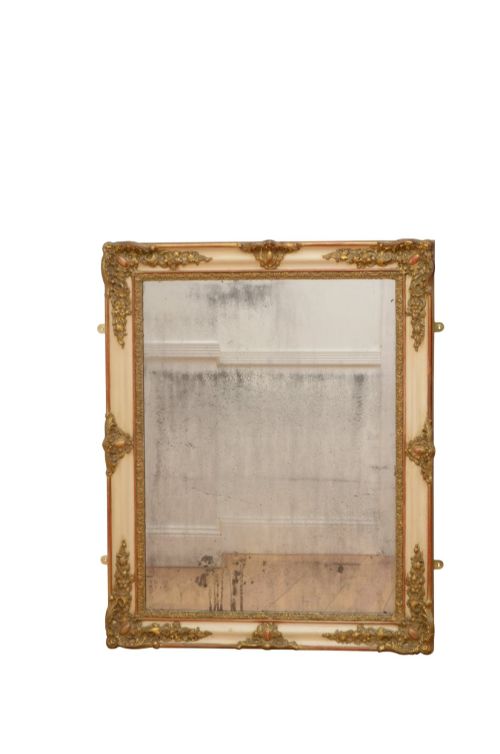
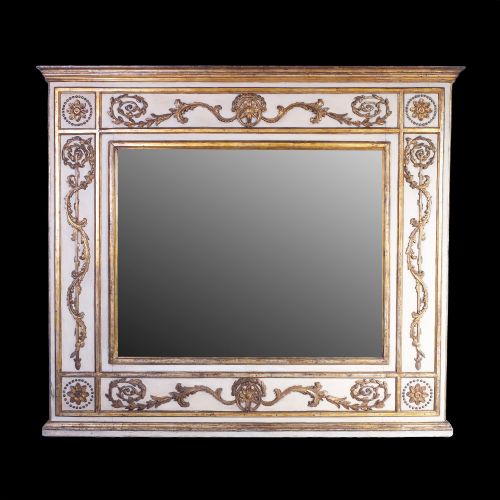
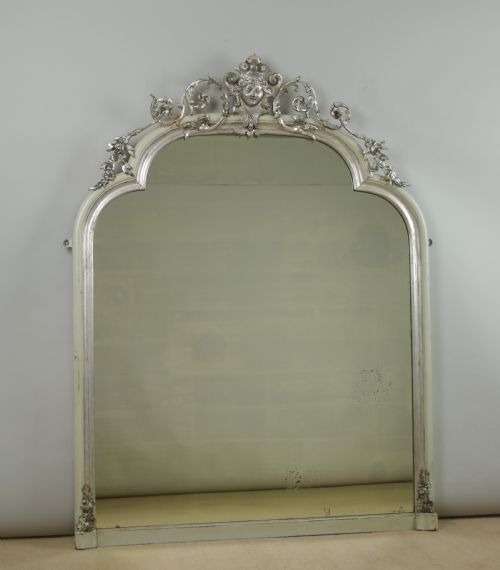
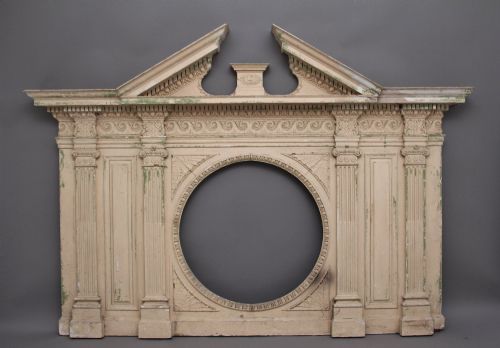
A cream overmantel wall mirror is a substantial looking-glass designed specifically to sit upon the mantelpiece and command the chimney breast. When you search for this phrase, you find heavy architectural frames built to reflect the hearth and brighten the chamber.
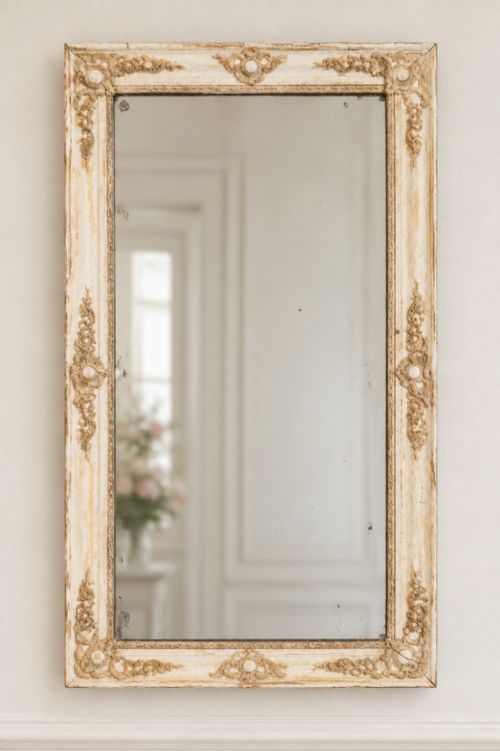
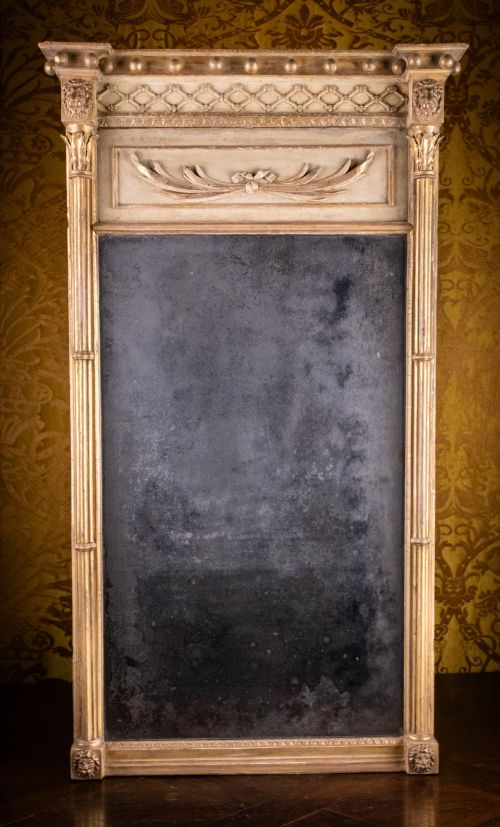
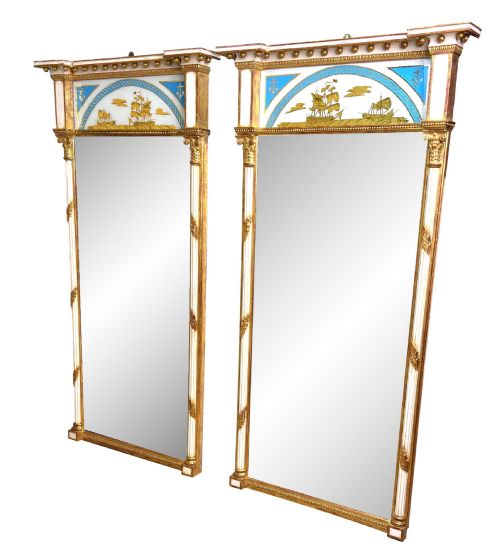
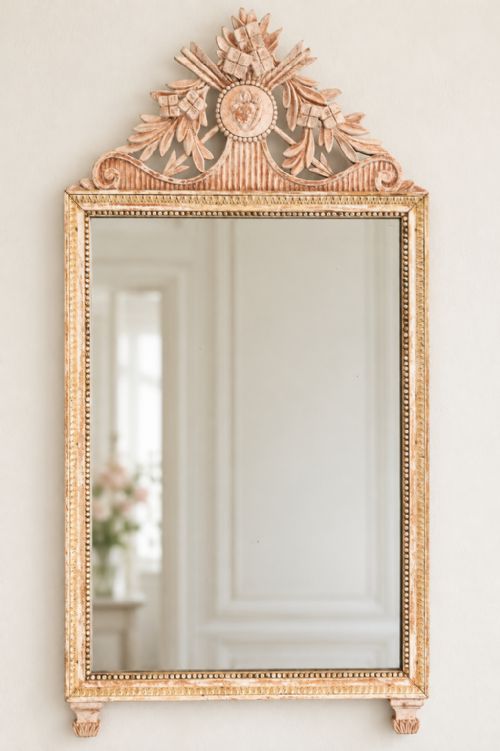
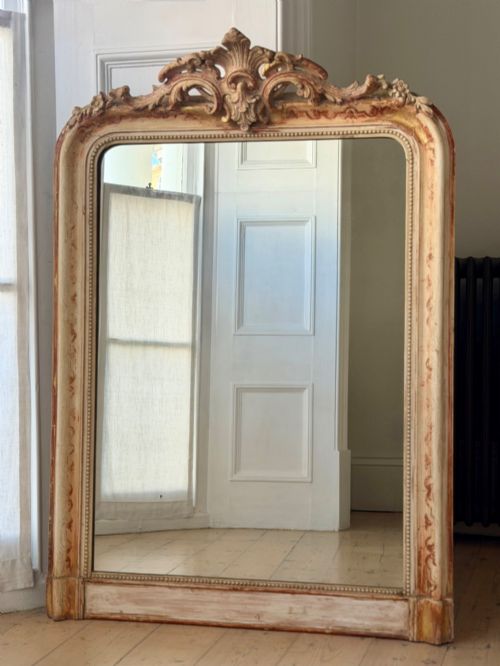
The pieces on this page are predominantly nineteenth-century examples spanning the Victorian and Regency periods, alongside French trumeau mirrors and eighteenth-century pine or carved frames. Most incorporate painted wood surfaces, often layered with parcel gilt or gesso detailing over the timber base.
How They Were Made
Carved wood and gesso form the structural core of these frames, providing the medium for intricate moulded ornament such as lion masks, scrollwork, and classical columns. Artisans applied successive coats of paint and gold leaf to the timber, creating layered finishes that often display historic crackle and distress.
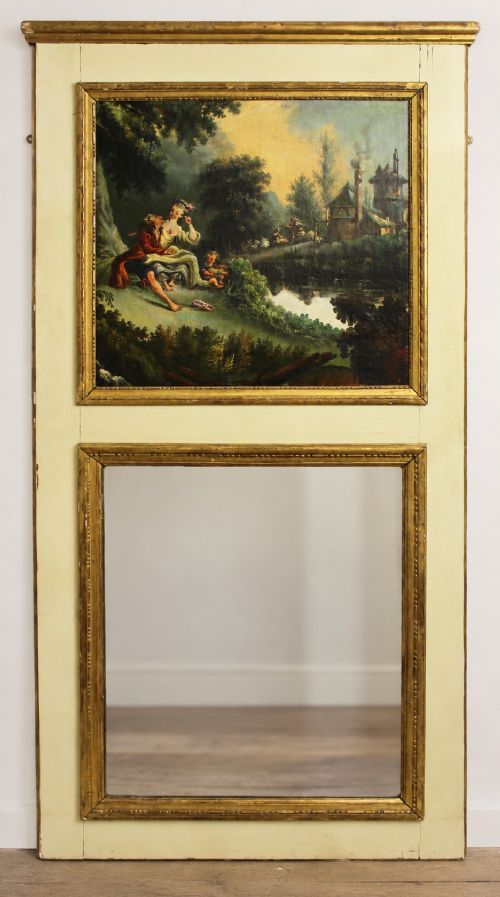
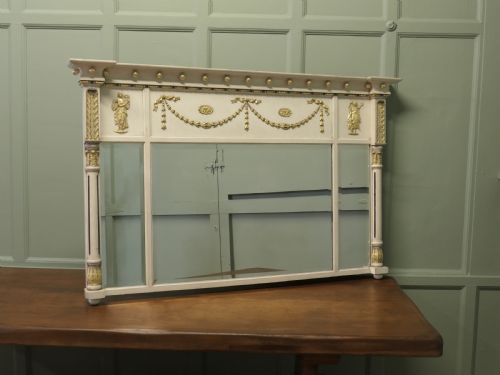
Mirror glass is set within these heavy frames, sometimes as a single large plate or divided into triple plates, paired occasionally with decorative oil paintings inserted into upper trumeau panels.
Cream Overmantel Wall Mirror Retail Price Guide 2026
Typical asking prices for cream overmantel wall mirror among the pieces listed under this phrase on Sellingantiques today, from the lower quarter to the upper quarter. They describe what is for sale here now, not the wider market.
Listings feature frames finished in painted cream, parcel gilt, and black ebonised wood dating from the eighteenth to the early twentieth century.
What Varies in Quality
The depth and crispness of the carved wood and gesso ornamentation dictate the calibre of the frame, distinguishing hand-modelled relief work from simpler mouldings. Original gilding and integrated oil paintings, particularly on French trumeau examples, elevate the sophistication of the piece.
The integrity of the original mirror plate and the weight of the underlying pine or timber frame signal superior workshop execution from the eighteenth and nineteenth centuries.
The Cream Overmantel Wall Mirror Glossary
- Overmantel mirror
- A large wall mirror specifically proportioned to hang or stand directly above a fireplace mantelpiece. These pieces were traditionally designed to echo the architectural style of the room.
- Trumeau
- A decorative wall mirror featuring an upper panel that holds a painted canvas or relief carving rather than glass. Originating in French interior design, these tall mirrors often incorporate pastoral oil paintings.
- Gesso
- A plaster-like mixture applied to wood frames and carved into relief ornamentation before gilding or painting. It allows for sharp architectural details and moulded motifs.
- Parcel gilt
- A finishing technique where specific raised portions of a frame are highlighted with gold leaf while the rest of the surface is painted. This creates contrast against the cream or ebonised background timber.
- Pier mirror
- A tall looking-glass designed to fit the narrow wall space between two windows. They share many decorative characteristics with overmantels of the same period.
Cream Overmantel Wall Mirror: Frequently Asked Questions
Where should I hang a cream overmantel wall mirror?
These mirrors are traditionally positioned directly above a fireplace mantelpiece to reflect light and anchor the chimney breast within the room.
They also function effectively on principal walls in reception rooms where their substantial scale can create a focal point.
How do I identify a 19th-century overmantel mirror?
Nineteenth-century examples typically feature heavy wood and gesso construction, often displaying hand-carved motifs like classical columns, lion masks, or scrollwork.
The weight of the timber frame and the presence of historic mirror plates help distinguish authentic period pieces from later reproductions.
What is the difference between an overmantel and a trumeau mirror?
An overmantel mirror is built wide and low to span the horizontal space above a fireplace. A trumeau mirror is typically taller and narrower, incorporating an upper panel decorated with a pastoral oil painting or a carved relief.
Both styles appear frequently across French and English nineteenth-century interiors.
Are these mirrors heavy to hang?
Due to their solid wood frames, thick gesso decoration, and large glass plates, these mirrors are exceptionally heavy. They require secure wall fixings anchored directly into structural masonry or studs.
Professional installation is recommended to support the substantial weight safely.