



Cream Hall Bench
A cream hall bench grounds an entrance with quiet presence, offering a practical perch upholstered in fabric or linen.
Cream Hall Bench
A cream hall bench combines seating and storage or simply a resting place near the door, taking forms such as settees, window seats, and box settles. These items range across the Victorian era, the nineteenth century, and into the early twentieth century, reflecting varied domestic needs from grand halls to modest rooms.
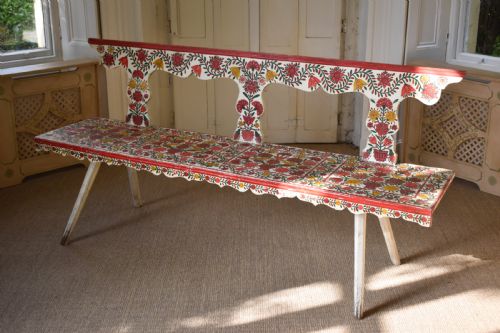
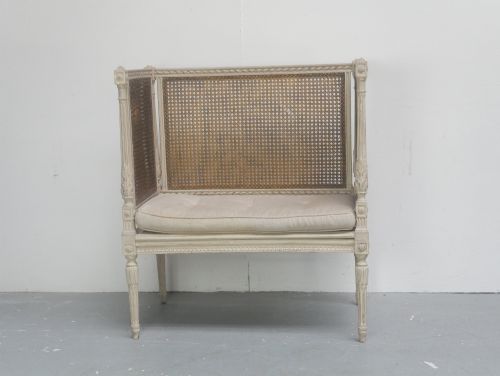
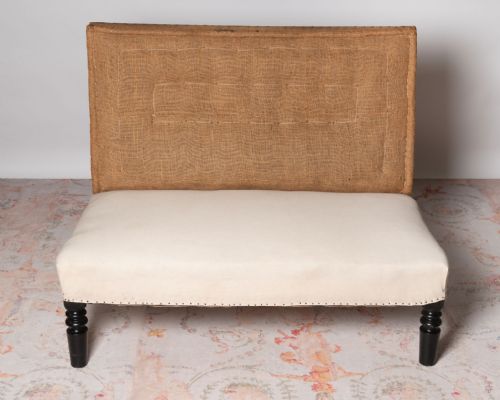
The selections on this page lean heavily toward painted wood finishes, mahogany frames, and upholstered seating. Variants include French banquettes, window seats on cabriole legs, and painted pine box settles.
Originating from diverse aesthetic traditions, these forms span Regency, Neoclassical, Aesthetic Movement, and Hungarian folk art styles. Buyers encounter everything from carved mahogany frames to gilt-framed hall seats and fabric-covered settees.
How they were made
Construction relies upon timber, mahogany, and pine, shaped into frames and box structures that support frequent use in entryways. Joinery methods secure cabriole legs and chair-back arrangements to sturdy wooden bases.
Surface treatments involve applied paint, ebonising, and gilding, transforming plain timber into decorative furniture. Upholstery utilises fabric, linen, and cane webbing to pad seats and backs.
Cream Hall Bench Retail Price Guide 2026
Typical asking prices for cream hall bench among the pieces listed under this phrase on Sellingantiques today, from the lower quarter to the upper quarter. They describe what is for sale here now, not the wider market.
Listings feature periods spanning from the Victorian era and the nineteenth century through to the early twentieth century, utilising mahogany, pine, fabric, and cane.
What varies in quality
Quality rests upon the crispness of carved details in the mahogany or pine framework and the structural integrity of joints. Finer examples display deliberate proportions and sophisticated stylistic references, such as Neoclassical motifs or inlaid woodwork.
The execution of the painted finish and the selection of upholstery materials distinguish basic utilitarian furniture from finer decorative seating. Condition of the underlying timber and fabric longevity further separate standard items from superior pieces.
The Cream Hall Bench Glossary
- Box settle
- A wooden bench featuring a high back and a solid box base beneath the seat for storage. This form kept drafts away from doorways in older houses.
- Cabriole leg
- A furniture leg that curves outward in a convex arc and then bends inward in a concave arc, ending in a pad or foot. It derives from animal limb shapes found in classical design.
- Ebonised
- Wood finished to resemble ebony through staining, painting, or chemical treatment. This technique gained popularity during the Victorian period for formal and dramatic effect.
- Settee
- A long upholstered seat with a back and arms, designed to accommodate multiple people. They often served in halls, bedrooms, and parlours.
- Window seat
- A long, narrow bench built or placed specifically to sit beneath a window. These pieces generally feature open frames and upholstered tops.
Cream Hall Bench: Frequently Asked Questions
Where should a cream hall bench go?
These benches fit naturally in narrow entryways, corridors, or hallways where a narrow seating profile matters. They provide a convenient spot for putting on shoes or dropping bags.
In larger rooms, they can sit beneath windows or serve as secondary seating against a blank wall.
How do I care for painted wood?
Painted surfaces require gentle dusting with a soft, dry cloth to prevent dirt accumulation. Avoid harsh chemical cleaners that can strip or soften aged paint finishes.
Wax can protect unpainted wooden elements, but painted areas generally need only minimal moisture-free maintenance.
What is the difference between a settee and a bench?
Settees typically feature fully upholstered seats and backs, often with arms, prioritizing comfort for longer sitting. Benches can range from simple wooden boards on legs to box settles and window seats with minimal padding.
In hallways, a bench offers a firmer, more utilitarian perch than a upholstered parlour settee.
How do I date an antique wooden bench?
Dating relies upon tool marks, wood species, joinery techniques, and stylistic clues from periods like the Victorian era or Regency style. Hand-sawn timber and old fastening methods suggest earlier manufacture.
Comparing decorative motifs, such as Aesthetic Movement sunflowers or Neoclassical lines, helps place the piece within a specific design era.