





Cream Glaze Ceramic Bowl
These cream glaze ceramic bowl pieces span centuries of international pottery traditions, offering durable earthenware, porcelain, and stoneware vessels for collectors and everyday utility.
Cream Glaze Ceramic Bowl
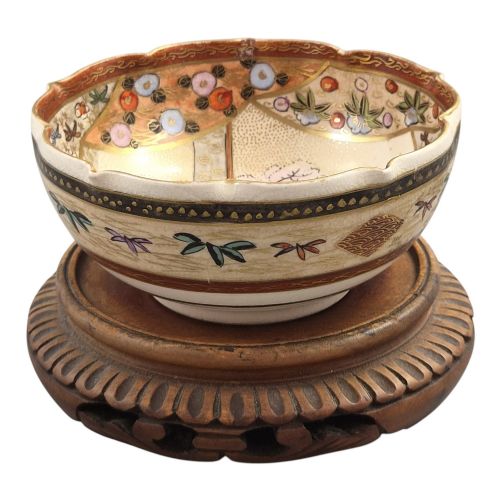
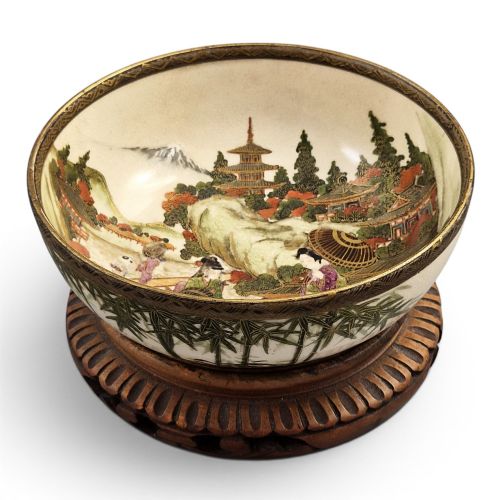
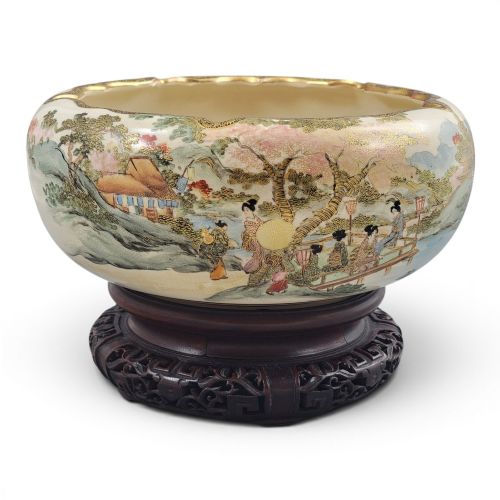
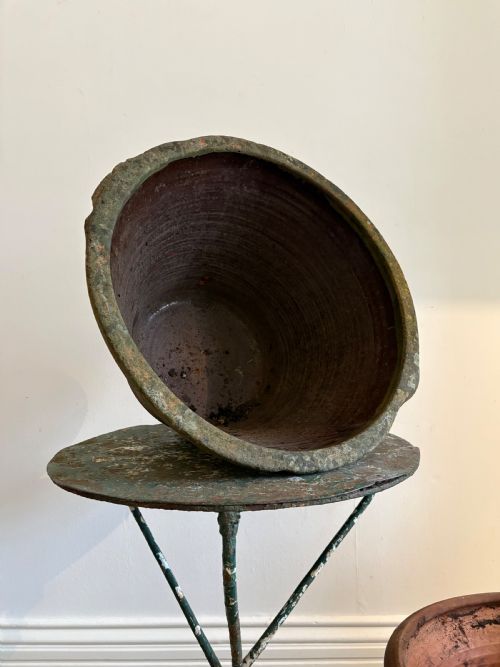
When searching for a cream glaze ceramic bowl, buyers encounter a diverse selection of utilitarian vessels, decorative dishes, and ceremonial items spanning multiple centuries. The inventory reflects global ceramic traditions, ranging from European country pottery and Victorian earthenware to Japanese Satsuma ware and early Persian lustre-glazed vessels.
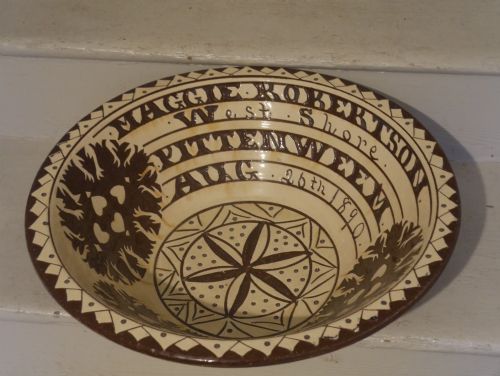
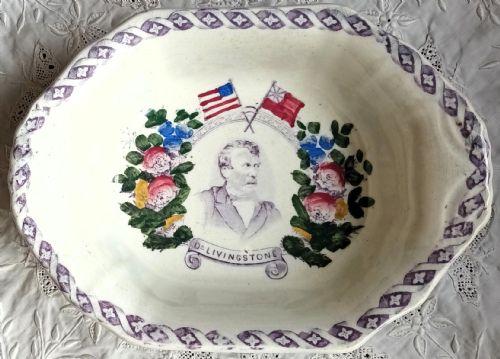
The forms vary significantly depending on origin and period, including large dairy bowls, footed burners, commemorative dishes, and delicate sugar bowls. Earthenware, porcelain, and stoneware dominate the physical forms, often finished with specialised glazes that create the characteristic creamy surface tone.
Origin points stretch from British provincial potteries to continental kilns and Asian workshops, demonstrating how different cultures utilised pale glazes. Buyers meet everything from rustic utilitarian terracotta to highly detailed export ceramics decorated with enamel or gold leaf.
How they were made
Makers utilised fundamental ceramic materials including earthenware, terracotta, stoneware, and porcelain, shaping them on wheels or moulding them by hand. These bodies provided the structural base required to hold liquid or dry goods before the application of surface finishes.
Potters applied glazes, slips, and occasional enamel or gold leaf details to seal the porous clay bodies and introduce colour. Firing techniques ranged from regional kilns using slip glaze to sophisticated oriental processes creating intricate crackle effects and lustre finishes.
Listings feature items spanning from the thirteenth century through the Edwardian era, incorporating earthenware, stoneware, porcelain, and fritware.
What varies in quality
The distinction between standard domestic items and superior examples lies in the precision of the throwing and the execution of the glaze. Master workshops achieved greater uniformity in body thickness and smoother application of the cream glaze across complex forms.
Artistic execution also separates basic production wares from pieces bearing artist signatures or detailed hand-painted pictorial scenes. Finely detailed enamel work, gold leaf accents, and specialised lustre effects indicate higher tiers of craftsmanship.
Mann Co·Doulton Lambeth·Royal Dux·Copeland
The Cream Glaze Ceramic Bowl Glossary
- Earthenware
- A porous pottery body fired at relatively low temperatures which requires glazing to become water-resistant. It forms the foundation for much traditional country pottery and dairy equipment.
- Glaze
- A vitreous layer fused to a ceramic body through firing to colour, decorate, or waterproof the piece. Cream glazes provide the uniform pale surface seen across various historical periods.
- Satsuma
- A type of Japanese earthenware originating from Satsuma Province, characterised by a pale, ivory-coloured crackle glaze. Pieces are typically decorated with delicate enamels and gilding.
- Fritware
- A historic ceramic body containing powdered glass mixed with clay, allowing for finer detail and translucency. It is commonly associated with early Persian and Islamic pottery traditions.
- Spongeware
- Pottery decorated by applying pigment with a sponge or stamped texture to create mottled patterns. This technique was popular in nineteenth-century British domestic wares.
Cream Glaze Ceramic Bowl: Frequently Asked Questions
What is a cream glaze ceramic bowl used for?
These vessels served diverse functions historically, ranging from practical dairy work and food storage to decorative display and ritual burning. Utilitarian pieces handled milk and food preparation, while refined Satsuma and export wares fulfilled decorative roles in domestic interiors.
Today, surviving examples function primarily as decorative objects, centrepieces, or collection items. Their durable construction allows them to continue serving light utility depending on the specific ceramic body and glaze condition.
How do I identify a Japanese Satsuma bowl?
Satsuma bowls feature a characteristic creamy or ivory earthenware body covered in a fine network of decorative crackle glaze. They frequently incorporate detailed enamel painting and gold leaf work depicting figures, landscapes, or floral motifs.
Many fine examples bear artist signatures or studio marks from regions such as Kyoto. Their weight and the distinct appearance of the underlying porous clay help differentiate them from standard porcelain.
How do I care for antique ceramic bowls?
Antique ceramics require gentle handling to protect fragile glazes, enamel decorations, and gold leaf accents from abrasion. Hand washing with mild soap and warm water is generally recommended when cleaning is necessary, avoiding harsh scrubbing tools.
Display environments should remain stable to prevent thermal shock or moisture damage to porous earthenware bodies. Keeping pieces away from direct sunlight protects coloured enamels from fading.