
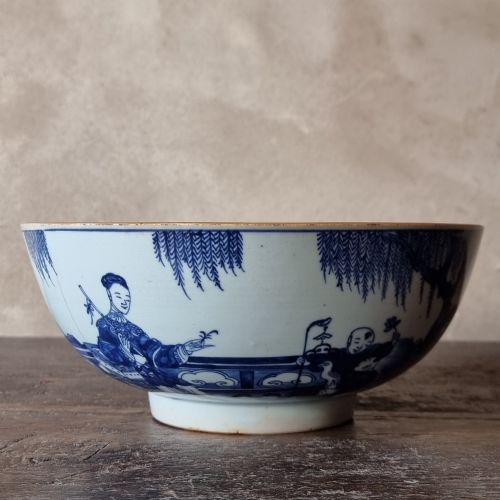


Chinese Export Porcelain Basin
These Chinese export porcelain basin pieces bring centuries of hand-painted artistry and global trade history directly to your interior.
Chinese Export Porcelain Basin
A chinese export porcelain basin brings together centuries of ceramic history, originating primarily from periods such as the 18th century, 19th century, and 16th century. Buyers encounter forms ranging from large punch bowls and centrepiece bowls to jardinieres and decorative dishes.
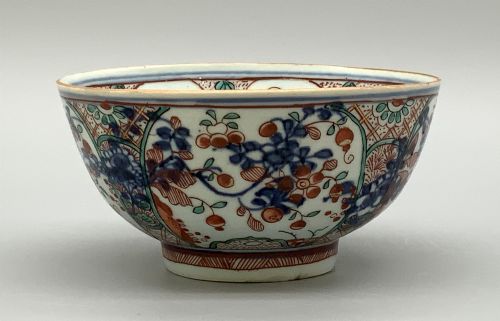
The aesthetic merges traditional Asian craftsmanship with styles tailored for Western markets, including Qing Dynasty, Chinese Kangxi period, and Chinoiserie. Pieces often display intricate hand-painted motifs executed in cobalt glaze, overglaze enamel, and gilt highlights.
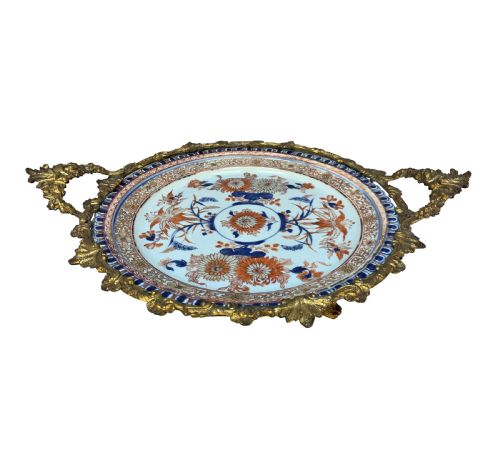
Examples on this page span diverse iterations, from deep punch bowls to elaborate porcelain plates fitted with gilt bronze or ormolu mounts. Collectors select these items to anchor a room with historic substance and distinct decorative presence.
Materials and techniques of production
Potters utilised fine white porcelain body materials, shaping large bowls and basins before applying cobalt glaze or elaborate overglaze enamel decoration by hand. Artisans built vibrant surface palettes using mineral pigments alongside gold leaf and gilt details.
Many vessels received secondary mountings in Europe, pairing the historic ceramics with gilt bronze or ormolu hardware in French Rococo styles. This combination of Eastern fired clay and Western metalwork created composite decorative objects for wealthy interiors.
Material variations include cobalt glaze, enamel, gold leaf, and gilt bronze mounts.
Distinctions in craftsmanship and condition
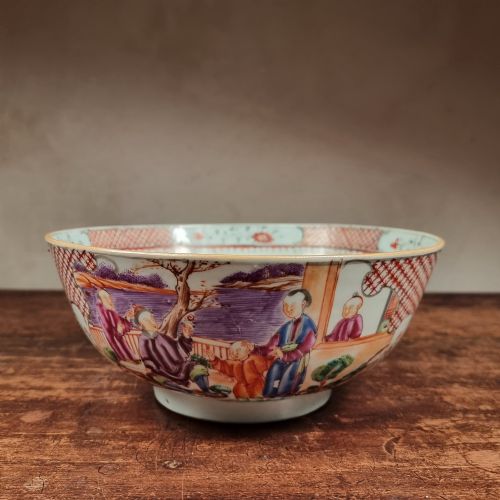
Quality separates through the precision of the hand-painted brushwork, the vibrancy of the famille rose or cobalt pigments, and the crispness of the porcelain form. Superior examples display balanced composition across large surfaces without muddy pigment application.
The integration of secondary materials also alters character, where original ormolu or gilt bronze mounts exhibit high sculptural detail rather than basic casting. Age characteristics, such as crackle-glaze effects or export seals, add historic depth to select specimens.
The Chinese Export Porcelain Basin Glossary
- Famille rose
- A palette of opaque enamel colours dominated by pink or rose hues, introduced during the Qing Dynasty. This technique allowed artists to achieve subtle tonal gradations in floral and figural scenes.
- Imari
- A style of ceramic decoration featuring underglaze cobalt blue combined with overglaze iron red, gold, and other colours. It originated in Japan but heavily influenced Chinese export wares.
- Ormolu
- Gilt bronze ornamentation applied to furniture, clocks, and porcelain vessels. European makers added these mounts to elevate imported Asian ceramics for luxury interiors.
- Punch bowl
- A large vessel traditionally used for mixing and serving communal drinks during social gatherings. Their generous proportions provided ideal canvases for expansive hand-painted narratives.
- Swatow
- A term for coarse Chinese export porcelain made in southern kilns during the late Ming Dynasty. These pieces often feature bold, spontaneous blue and white designs.
Chinese Export Porcelain Basin: Frequently Asked Questions
How do I date a Chinese export bowl?
Dating relies on stylistic markers, imperial reign periods, and baseline ceramic materials recorded in the piece history. Comparing the palette, such as early cobalt blues against later famille rose enamels, establishes the era.
Secondary additions like ormolu mounts also point toward specific European decorative periods, helping narrow down the decade of assembly.
What is the difference between Canton and Rose Medallion?
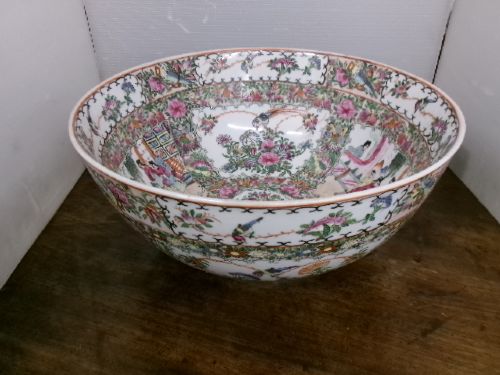
Canton porcelain typically refers to wares hand-painted in the port city of Guangzhou with distinct floral, bird, and landscape motifs. Rose Medallion is a specific subcategory featuring panelled designs filled with figures, birds, and butterflies.
Both styles utilise the vibrant famille rose enamel palette developed for export markets.
How were these large bowls used historically?
Large basins and punch bowls served practical and decorative functions in wealthy households for dining, washing, and social entertaining. Punch bowls held mixed beverages during large gatherings, while jardinieres housed live plants.
Export pieces also functioned purely as display objects in European reception rooms to demonstrate wealth.
Can I use these antique bowls for serving food?
Historic export ceramics require careful handling due to age, delicate overglaze enamels, and potential hairline fractures from centuries of transport. Most collectors choose to display them as decorative art rather than utilise them for dining.
Handwashing with mild soap and avoiding abrasive sponges protects the fragile gold leaf and enamel pigments.