

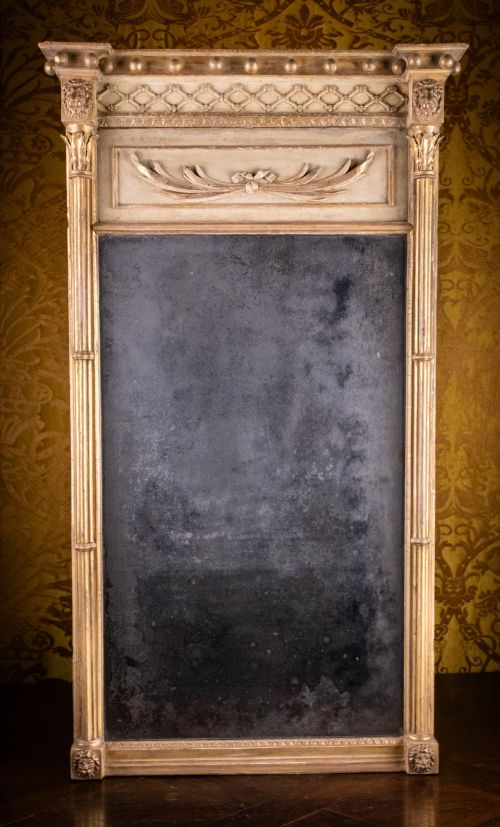
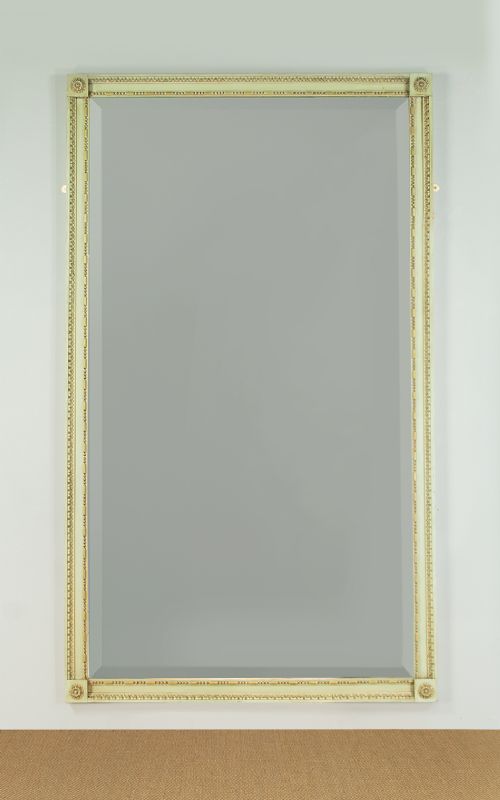


Cream Gilded Pier Mirror
A cream gilded pier mirror brings height and reflected light to a room, hung traditionally between windows over a console or table.
Cream Gilded Pier Mirror
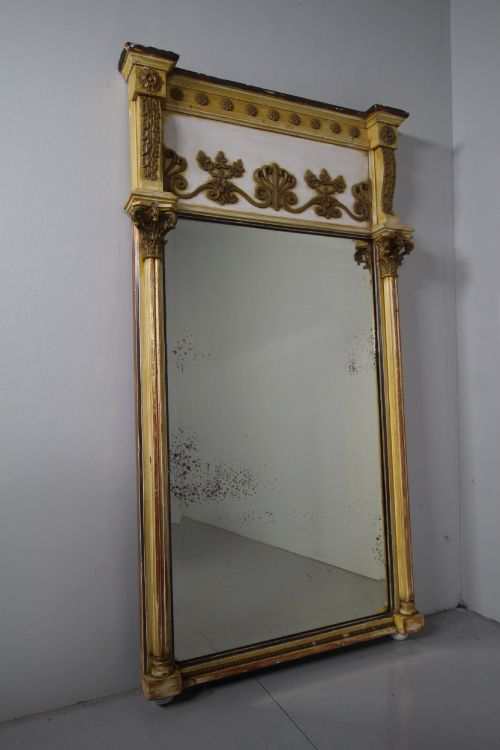
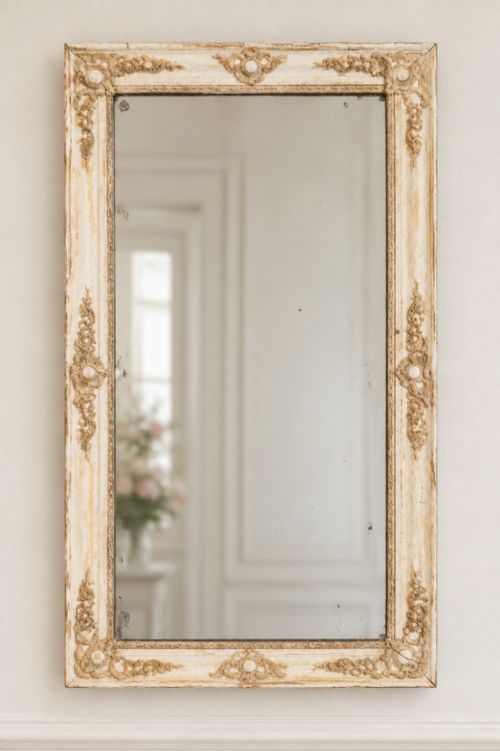
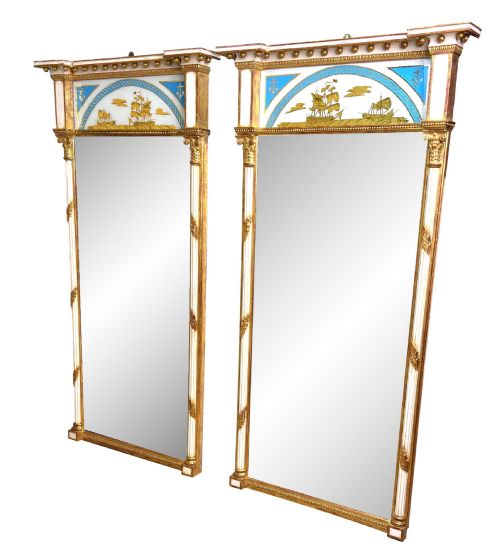
A cream gilded pier mirror is a tall wall-mounted glass designed to sit in the architectural space between windows, known as the pier. The examples seen here span the nineteenth century, the Regency era, and the early twentieth century, taking forms such as French trumeau mirrors, wall mirrors, and console tables.
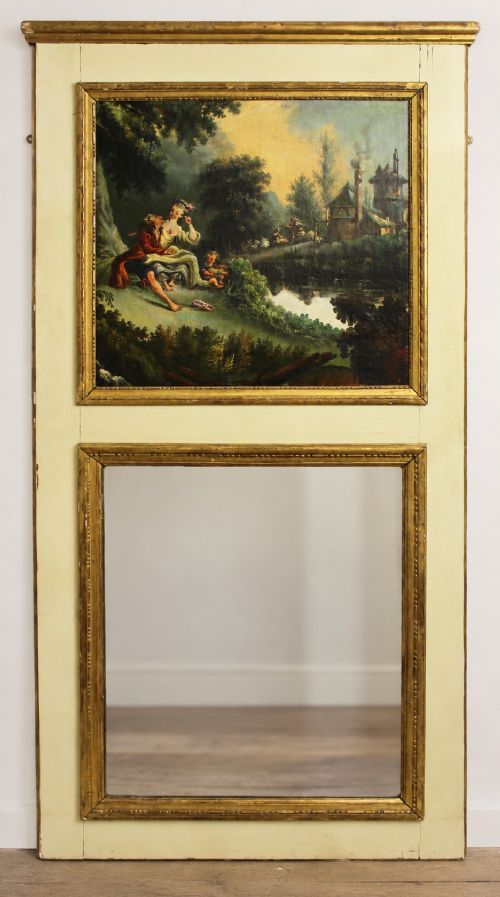
Buyers will encounter various regional expressions among these pieces, notably French provincial, French Empire, Venetian Rococo, and Edwardian styles. Tall formats frequently incorporate oil paintings above the glass, while other versions display lion masks or parcel gilding upon painted wood.
The dominant forms on this page reflect both French chateau aesthetics and Victorian domestic grandeur. They function primarily as wall mirrors, with several retaining their character as tall pier mirrors and decorative hall mirrors.
How they were made
Makers constructed these frames from wood, applying layers of gesso to build up decorative moulding and surface relief before gilding and painting. Giltwood and gilded wood techniques allowed artisans to highlight carved details against cream or overpainted backgrounds.
Mirror glass was set into these heavy wooden frames, occasionally accompanied by integrated oil paintings on canvas within trumeau panels. The combination of painted wood and gilt finish created the signature two-tone contrast seen on nineteenth-century and Regency examples.
Cream Gilded Pier Mirror Retail Price Guide 2026
Typical asking prices for cream gilded pier mirror among the pieces listed under this phrase on Sellingantiques today, from the lower quarter to the upper quarter. They describe what is for sale here now, not the wider market.
Listings on this page feature materials including gesso, painted wood, and giltwood across nineteenth-century, Regency, and Victorian periods.
What varies in quality
Quality rests in the crispness of the carved or moulded gesso decoration and the depth of the gilding over the painted wood. Finer examples retain their original painted surfaces and integrated artwork without heavy modern overpainting.
The integrity of the mirror glass itself and the joinery of the heavy wooden frame dictate the structural success of the piece. Better proportioned trumeau frames and pier mirrors demonstrate balanced composition between the glass plate and the upper decorative panel.
The Cream Gilded Pier Mirror Glossary
- Pier mirror
- A tall mirror designed specifically for the narrow wall space between two windows. These pieces often sat above pier tables.
- Trumeau
- A decorative wall panel that incorporates a mirror and an oil painting within a single wooden frame. This French form dates back centuries.
- Gesso
- A plaster-like mixture applied to wood frames to create a smooth base for gilding and relief decoration. Artisans carved intricate details into this layer.
- Giltwood
- Wood that has been covered with a thin layer of gold leaf or gold paint. It provides a luminous contrast to painted cream backgrounds.
- Parcel gilded
- Decorated with gold leaf on only specific parts of the object rather than the entire surface. This technique emphasises particular carvings.
Cream Gilded Pier Mirror: Frequently Asked Questions
Where should I hang a cream gilded pier mirror?
These tall mirrors suit narrow wall spaces, traditionally positioned between two windows to reflect natural light into the room. They also work effectively above console tables or in high-ceilinged hallways.
Ensure the wall structure can support the substantial weight of a wooden and gesso frame before installation. Proper anchoring keeps the mirror secure against the wall.
How do I identify a Regency pier mirror?
Regency mirrors often display classical architectural motifs, bold cornices, and sculptural elements such as lion masks. The framing reflects the Regency period's fondness for heavier, neo-classical ornamentation.
These pieces typically date from the early nineteenth century and possess distinct proportions compared to later Victorian or Edwardian variants.
How do I care for antique gilded wood?
Dust the frame gently with a soft, dry cloth and avoid using chemical cleaning sprays or water on the gilded and painted surfaces. Moisture can damage the underlying gesso and lift the gold leaf.
Keep the mirror away from direct heat sources and strong sunlight to protect the wood and paintwork from cracking or fading over time.