


Cream Floral Ceramic Jug
These cream floral ceramic jug pieces combine functional utility with delicate painted decoration, offering a charming touch of historical domestic craft for the modern table.
Cream Floral Ceramic Jug
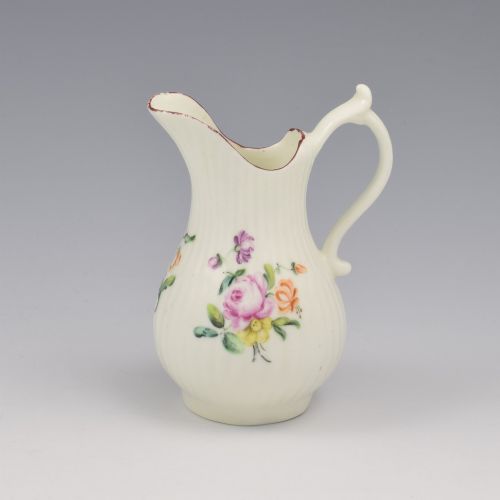
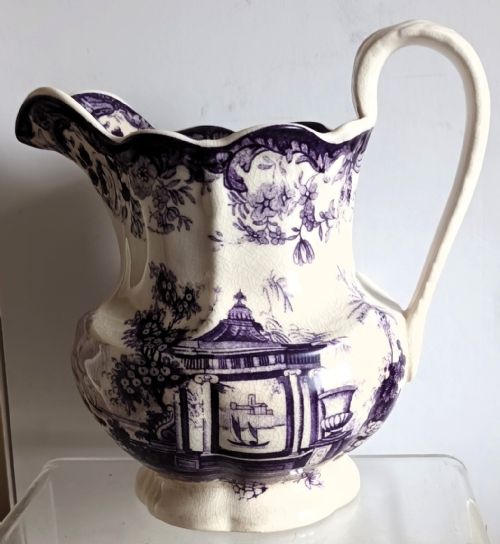
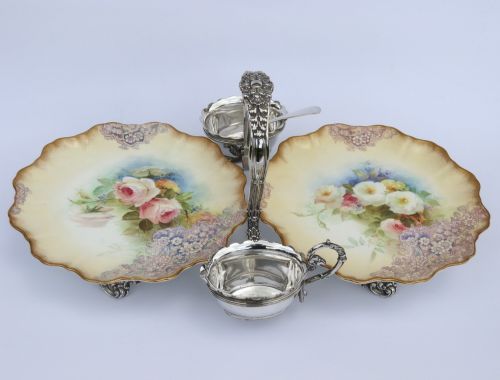
A cream floral ceramic jug brings together historical domestic vessels designed for serving milk, cream, or water, often decorated with botanical and floral motifs. When exploring this selection, buyers encounter pieces ranging from eighteenth-century porcelain cream jugs to nineteenth-century earthenware and pearlware pitchers.
The assortment spans diverse British eras, including Georgian, Victorian, and Edwardian periods, alongside distinct styles such as Victorian Rococo Revival and the Aesthetic Movement. Forms vary from small cream jugs and low Chelsea ewers to larger decorative ewers and pitcher sets.
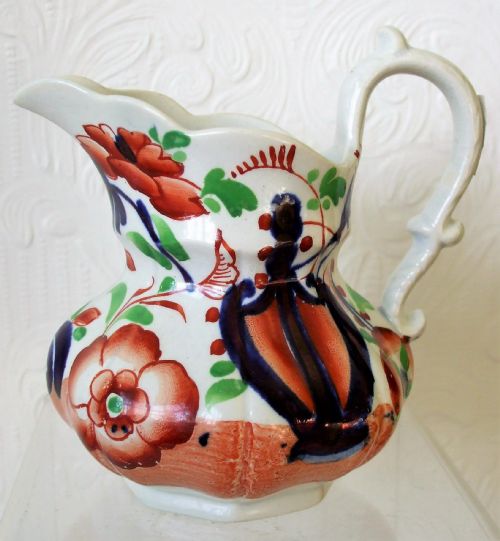
Makers and factories represented across the items include Derby, Royal Worcester, Doulton Burslem, and New Hall, alongside Gaudy Welsh pottery patterns and Staffordshire productions. These pieces reflect shifting domestic tastes and manufacturing techniques across two centuries of ceramic history.
Materials and production methods
Potters utilised porcelain, soft-paste porcelain, earthenware, and pearlware to form the bodies of these vessels, employing moulded shapes such as cabbage leaf patterns and fluted baluster designs. Glazes seal the ceramic surfaces, while hand-decorated transfer printing and painted enamel details provide the floral and botanical ornamentation.
Gilding, gold leaf, and copper lustre applications frequently accent the rims, handles, and bodies of nineteenth-century earthenware and porcelain pieces. These techniques reflect traditional factory processes ranging from early Derby potting to late Victorian Royal Worcester manufacture.
Listings feature ceramics spanning the eighteenth, nineteenth, and twentieth centuries, incorporating porcelain, earthenware, and pearlware materials.
Distinctions in quality and execution
The finesse of the painted floral decoration and the clarity of transfer printing separate standard domestic vessels from finer cabinet pieces. Crisp moulding detail, such as the definition in cabbage leaf patterns or fluted baluster forms, indicates careful workshop execution.
The refinement of the ceramic body itself, whether translucent soft-paste porcelain or well-potted earthenware, dictates the tier of the piece. Well-preserved gilding, clean copper lustre, and clear factory marks from makers like Royal Worcester or Derby further distinguish superior examples.
Derby·Royal Worcester·Doulton Burslem·New Hall·John Rose Coalport
The Cream Floral Ceramic Jug Glossary
- Pearlware
- A refined earthenware developed in the late eighteenth century featuring a subtle bluish glaze that pooled in recesses. It often provided the smooth white canvas for early transfer-printed floral patterns.
- Ewer
- A large pitcher with a wide spout and elaborate handle, traditionally used for washing or serving rather than daily dairy pouring. Victorian examples often display ornamental handles and Persian or aesthetic influences.
- Soft-Paste Porcelain
- An artificial porcelain composition fired at lower temperatures than hard-paste varieties, common in eighteenth-century English factories like Derby and Liverpool. It yields a warm, creamy body that absorbs colourful enamel glazes effectively.
- Copper Lustre
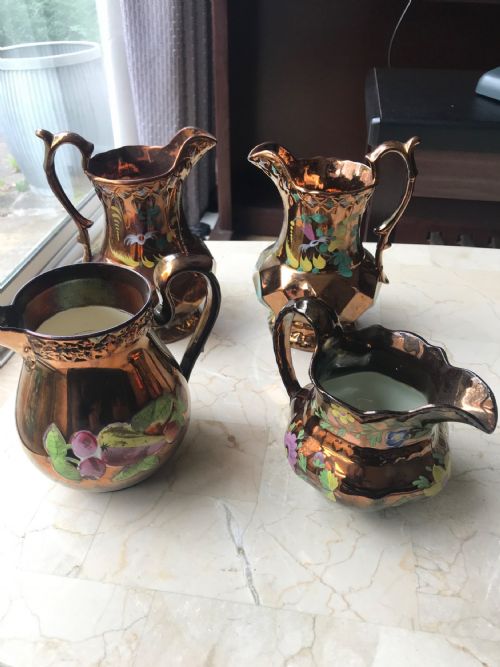
- A metallic ceramic glaze technique producing a coppery, reflective sheen popular on nineteenth-century Staffordshire pottery. It frequently frames hand-decorated floral and fruit motifs.
- Gaudy Welsh
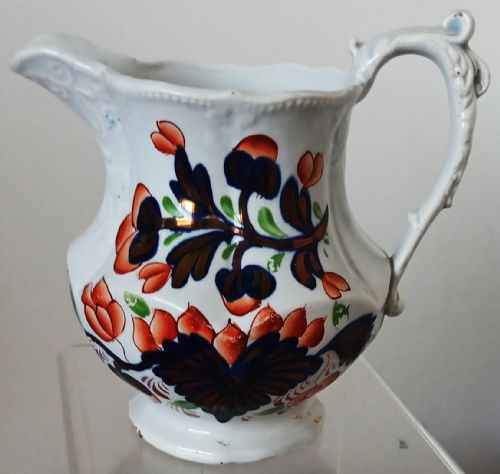
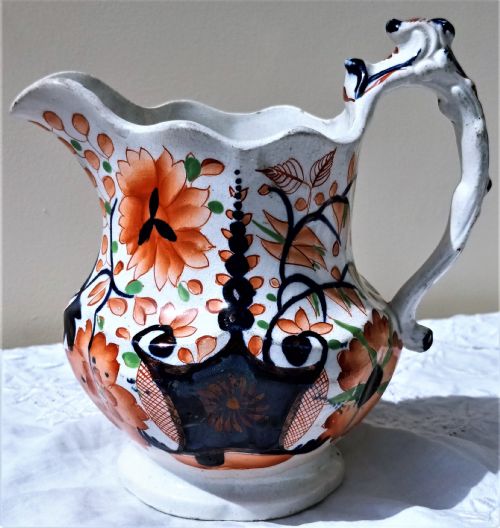
- A type of colourful pottery featuring hand-painted floral and geometric patterns, often incorporating cobalt blue, iron-red, and copper lustre. It was produced in the nineteenth century primarily for domestic table use.
Cream Floral Ceramic Jug: Frequently Asked Questions
What is the difference between a cream jug and an ewer?
A cream jug is typically a small vessel designed for serving dairy at the table, featuring a compact body and simple handle suited for everyday dining.
An ewer is larger and more decorative, often possessing an exaggerated spout and grand handle intended for display or washing rather than casual pouring.
How do I care for antique ceramic jugs?
These pieces require gentle hand washing in lukewarm water using mild soap, avoiding abrasive scrubbers that might damage delicate enamel painting or historic gilding.
Display them away from direct sunlight and sudden temperature shifts to protect the underlying ceramic body and historical glaze surfaces.
Are these jugs safe to use for serving food?
While many historical pieces were created for dairy and water, aged ceramics and historic glazes can be porous or contain trace elements from early manufacturing processes.
It is generally wiser to display these antique vessels as decorative objects rather than utilising them for modern consumption.
How can I tell a Georgian jug from a Victorian one?
Georgian examples often exhibit the refined potting and soft-paste porcelain bodies typical of the eighteenth century, including early transfer prints or delicate hand-painted motifs.
Victorian pieces frequently display heavier earthenware bodies, copper lustre accents, or distinct revival styles like Rococo Revival and the Aesthetic Movement.