






Cream Floor Vases
Cream floor vases are substantial decorative vessels that command attention in an interior, drawing the eye with their scale and neutral palette.
Cream Floor Vases
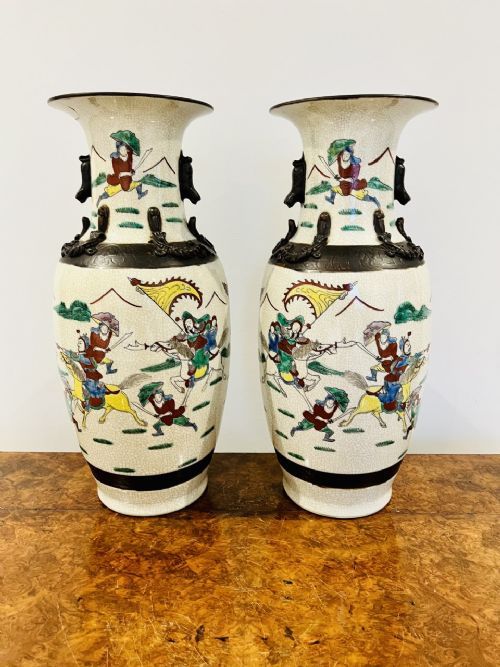
Cream floor vases encompass large earthenware, stoneware and ceramic vessels designed to stand directly upon the floor rather than on furniture. The selections appearing for cream floor vases bridge 19th Century craftsmanship with early 20th Century production, spanning Victorian, Edwardian and Meiji periods.
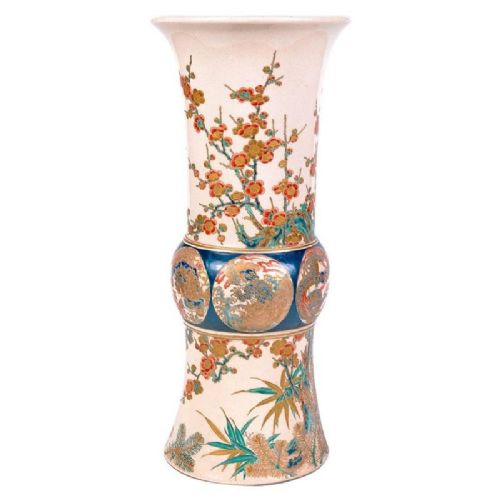
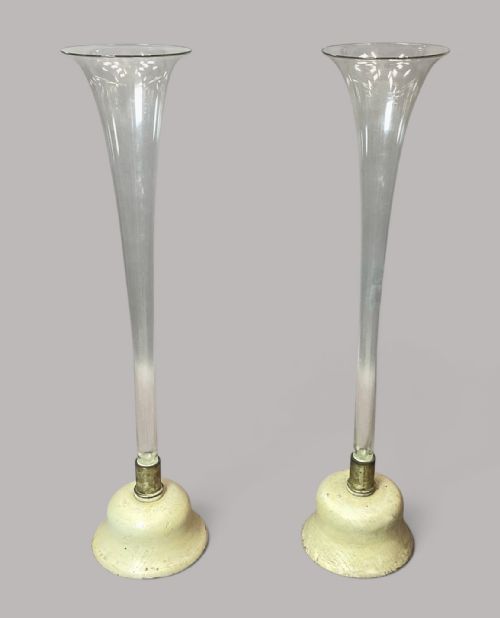
Most pieces encountered under this search consist of monumental pottery forms, large Satsuma wares, and tall trumpet shapes. Buyers also encounter related textile works featuring vase motifs and floor-standing lamp conversions from the 1920s.
Origins stretch from European potteries in Austria to Japanese workshops and Persian weaving centres. Each region brings distinct scale and surface decoration to these large vessels.
Materials and Techniques
Makers utilised heavy earthenware, stoneware and ceramic bodies to support the considerable height of floor-standing vessels. Surface decoration relies on enamel, glaze, and occasional gold leaf applications to accent the cream background.
Techniques range from salt glazing on stoneware jugs to intricate painted enamel on Satsuma earthenware. Kiln-fired glazes provide durability and distinct texture across the body of each vase.
Cream Floor Vases Retail Price Guide 2026
Typical asking prices for cream floor vases among the pieces listed under this phrase on Sellingantiques today, from the lower quarter to the upper quarter. They describe what is for sale here now, not the wider market.
Some tall vessels require two people just to move them an inch across the rug.
Assessing Quality
Quality rests upon the proportion and stability of the heavy ceramic body, ensuring the tall vessel stands true without structural distortion. The finesse of hand-painted enamels and the consistency of the cream glaze distinguish finer outputs.
Pieces bearing distinct period characteristics, such as precise Meiji detailing or exhibition-scale salt glazing, command greater interest. The preservation of surface gilding and the integrity of large-scale stoneware bodies mark the higher tier.
The Cream Floor Vases Glossary
- Earthenware
- Porous pottery fired at lower temperatures, typically requiring a glaze to achieve impermeability. It serves as the primary body for many large decorative vessels.
- Salt Glazed
- A ceramic finish created by throwing common salt into the kiln during high-temperature firing, producing a characteristic textured surface. This technique creates a durable, orange-peel texture on heavy stoneware.
- Satsuma
- Japanese earthenware pottery featuring a crackle-glaze finish decorated with enamels and gilt. These pieces often reach monumental heights suitable for floor placement.
- Enamel
- Opaque vitreous composition applied to pottery surfaces for colour and decoration before firing. It provides vibrant tones against a cream ceramic background.
- Trumpet Vase
- A vessel widening gradually from a narrow base toward a flared rim, resembling a musical horn. This silhouette maximises visual presence when placed directly on the floor.
Cream Floor Vases: Frequently Asked Questions
Where should I place a cream floor vase?
These large vessels suit open hallways, reception rooms, and corners where their height fills empty vertical space.
Position them away from heavy foot traffic to protect the ceramic body and any delicate enamel or gilt decoration.
How do I clean a large ceramic floor vase?
Dust the surface regularly with a soft, dry cloth to prevent dirt accumulation in textured glazes.
Avoid using chemical cleaners or excessive water, particularly on pieces with delicate enamel or gold leaf.
Can these vases hold fresh flowers?
Many monumental floor vessels were created for decorative display rather than holding water and stems.
Utilise a suitable interior container if you intend to display botanical arrangements inside antique earthenware bodies.
How do I date a large antique vase?
Examine the base material, glaze characteristics, and stylistic markers such as Victorian proportions or Meiji period motifs.
Manufacturing techniques and potting weight often reveal the period of origin when maker marks are absent.