

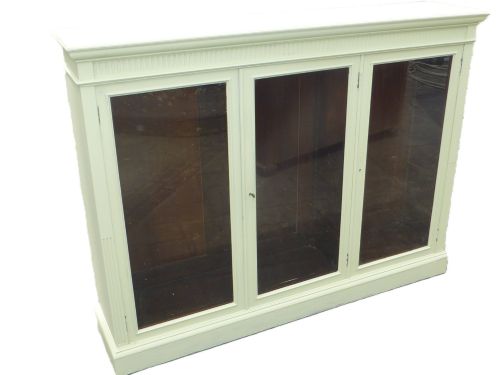


Cream Display Cabinet
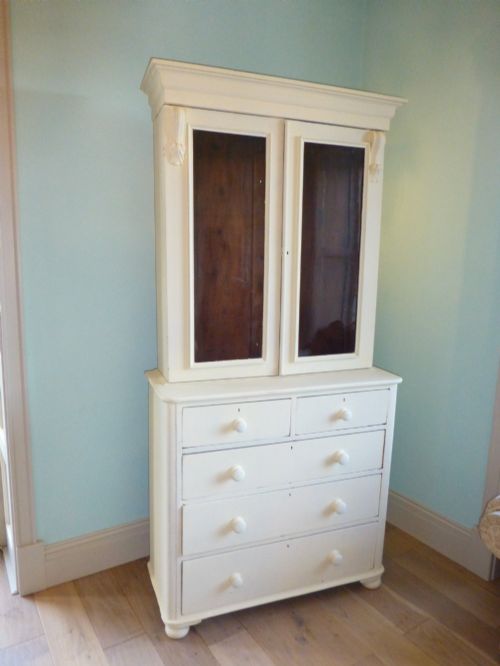
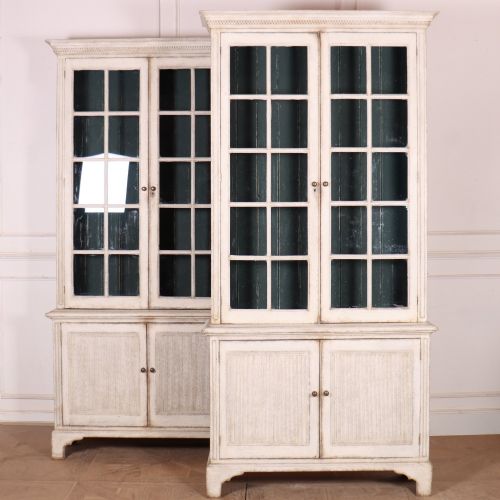
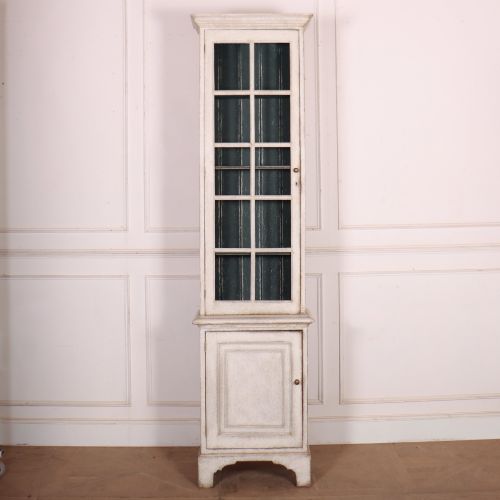
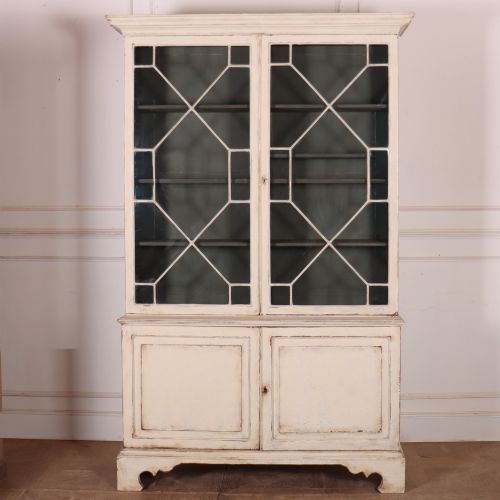
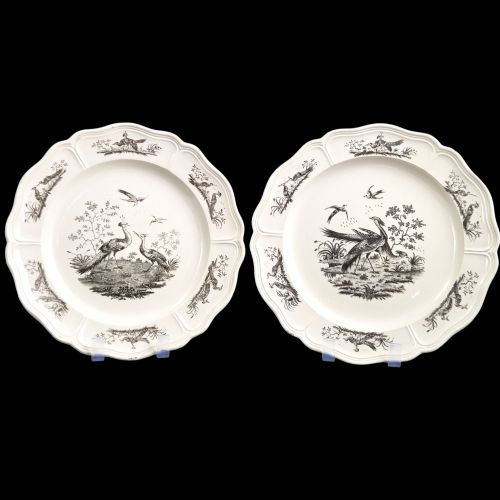
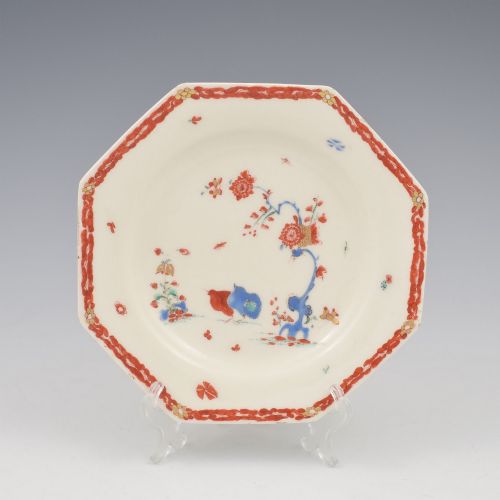
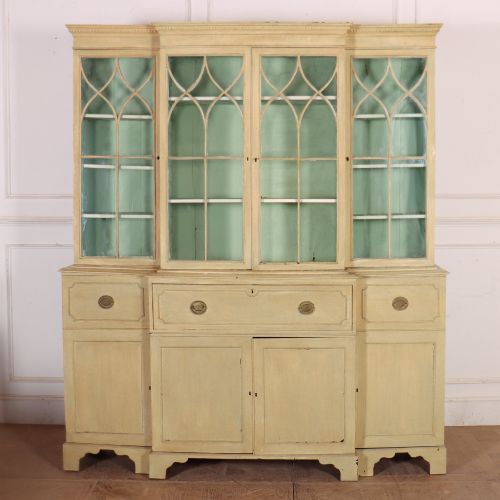
A cream display cabinet brings lightness to a room, holding porcelain and books behind glass within painted wooden frames.
Cream Display Cabinet
When searching for a cream display cabinet, buyers encounter a mix of painted wood furniture alongside glazed bookcases, vitrines, and corner cabinets spanning the eighteenth and nineteenth centuries. These pieces combine functional storage with decorative presentation, using glass panels to protect contents while keeping them visible.
The selection here draws heavily on English and French workshops, ranging from Georgian breakfront library bookcases to Victorian painted credenzas and French vitrines. Painted wood finishes in cream tones dominate, often paired with brass fittings or parcel gilt highlights.
Alongside major cabinetry, the evidence includes related display forms such as wall-hanging vitreens and corner cupboards. These variations offer solutions for different room layouts while maintaining the characteristic glazed storage purpose.
How they were made
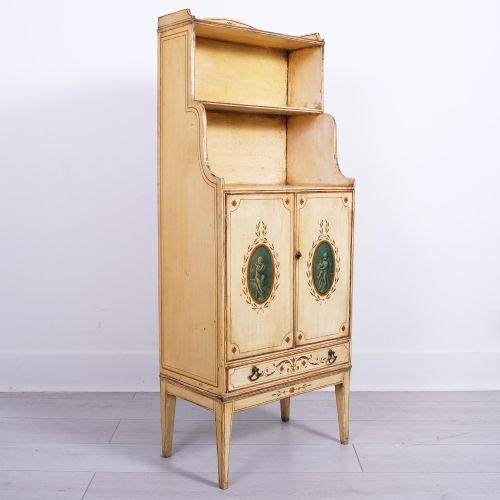
Makers constructed these cabinets primarily from timber, applying paint finishes in cream alongside gold leaf details. Glazed doors incorporate glass panes secured within wooden frames, while brass hardware provides functional hinges and locks.
Interior elements frequently feature adjustable shelving and mirrored backs to enhance light reflection. Specialised decorative panels, including majolica ceramics, appear inset into certain cabinet structures.
Cream Display Cabinet Retail Price Guide 2026
Typical asking prices for cream display cabinet among the pieces listed under this phrase on Sellingantiques today, from the lower quarter to the upper quarter. They describe what is for sale here now, not the wider market.
Listings feature painted wood cabinets alongside glass-fronted bookcases and vitrines spanning the Georgian and Victorian eras.
What varies in quality
Quality in these cabinets rests on the execution of the painted finish and the integrity of the timber construction. Finer examples show careful surface preparation and subtle layering of paint, sometimes combined with parcel gilding that ages gracefully.
The proportion of the cabinetry and the clarity of the original glass panes distinguish superior pieces. Well-fitted doors, smooth adjustable shelving mechanisms, and integrated decorative elements like majolica panels elevate the status of a cabinet.
Barr Flight and Barr·James Rouse Jnr.·Mintons·Royal Worcester
The Cream Display Cabinet Glossary
- Vitrine
- A glass-fronted cabinet designed specifically for displaying porcelain, curiosities, or decorative objects. These pieces rely heavily on glass panels to maximise visibility from multiple angles.
- Breakfront
- A piece of furniture where the central section projects forward from the flanking wings. This architectural arrangement creates depth and visual interest in large bookcases and credenzas.
- Corner Cupboard
- A specialised cabinet built with an angled back to fit neatly into the corner of a room. They make efficient use of otherwise neglected architectural space.
- Credenza
- A low cabinet, often enclosed with doors, used historically for serving or display. Victorian examples incorporate painted surfaces and decorative panel inserts.
- Parcel Gilt
- A surface decoration technique where selected areas are partially covered in gold leaf. This creates contrast against the underlying cream paint.
Cream Display Cabinet: Frequently Asked Questions
How do I style a cream display cabinet?
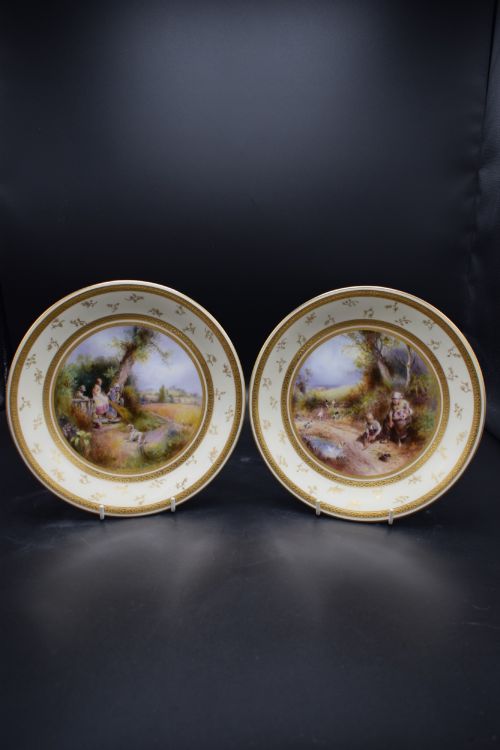
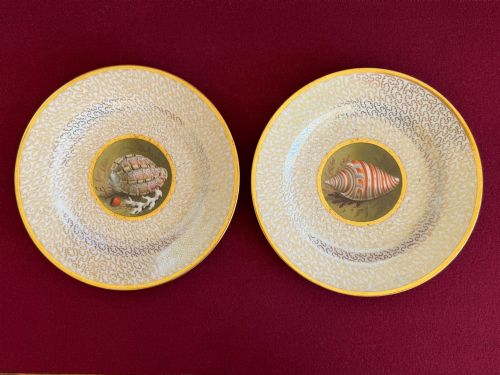
Keep the interior palette restrained to let the painted woodwork and glass framing take prominence. Group similar items like porcelain plates or books to maintain visual clarity.
Allow negative space between objects so the glazed doors and painted back panels remain visible. Good interior lighting helps illuminate the contents without crowding the shelves.
What is the difference between a vitrine and a bookcase?
Vitrines prioritize the display of decorative objects and porcelain with extensive glass panels on the front and often the sides. Bookcases focus primarily on shelved storage for books, using glazed or open wooden frames.
Many examples overlap in function, featuring adjustable shelving behind glass doors that serve both roles equally well.
How do I care for painted wooden cabinets?
Dust surfaces regularly with a soft, dry cloth to prevent dirt accumulation on the painted finish. Avoid harsh chemical cleaners that can damage vintage paint and gold leaf details.
Maintain stable humidity levels in the room to protect the timber structure and prevent the painted wood from warping or cracking over time.
How can I tell a Georgian cabinet from a Victorian one?
Georgian cabinets often display classical proportions with restrained architectural lines and subtle painted finishes. They reflect eighteenth-century design ideals focused on symmetry and structural balance.
Victorian pieces frequently introduce more eclectic decorative elements, such as majolica panels, mirrored backs, and heavier brass hardware reflecting later nineteenth-century tastes.