


Cream Ceramic Jug Painting
These cream ceramic jug painting examples bring together centuries of delicate brushwork and domestic utility.
Cream Ceramic Jug Painting
A cream ceramic jug painting brings together functional earthenware or porcelain vessels and detailed hand decoration. These pieces span the eighteenth, nineteenth, and twentieth centuries, originating from English factories and continental makers.
Buyers meet forms ranging from small cream jugs and milk jugs to large decorative ewers and pitchers. Styles stretch from Georgian neoclassical pieces to Victorian floral and landscape compositions.
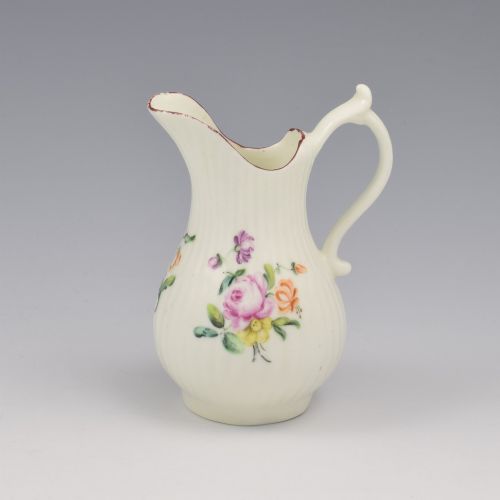
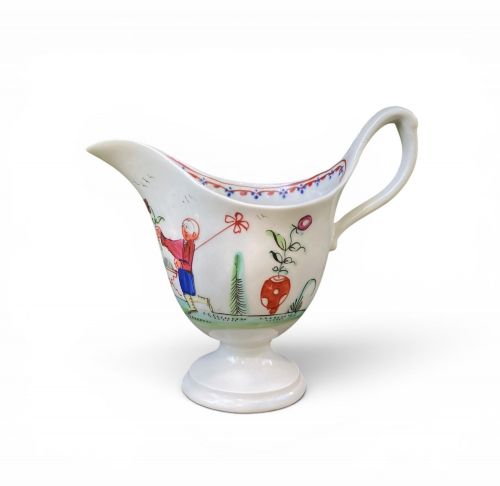
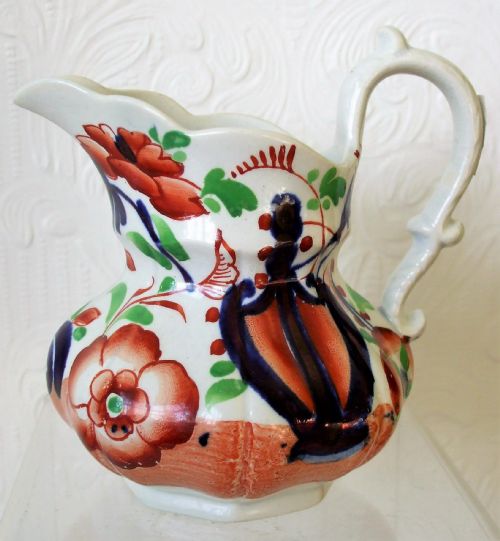
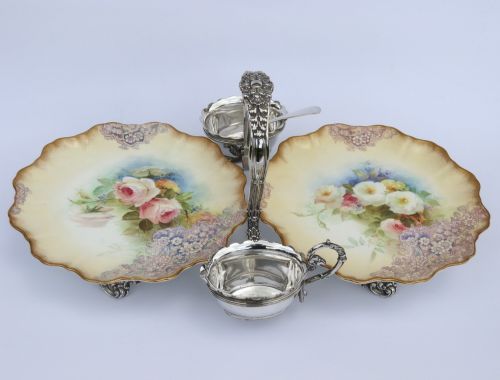
Many examples display hand-painted floral sprays, birds, insects, or specific topographical views. Others carry transfer-printed outlines finished with manual brushwork in enamel colours.
Materials and methods
Potters shaped these vessels using soft-paste porcelain, hard-paste porcelain, bone china, pearlware, and earthenware. Some forms received cabbage leaf moulding, fluting, or ribbed surfaces before firing.
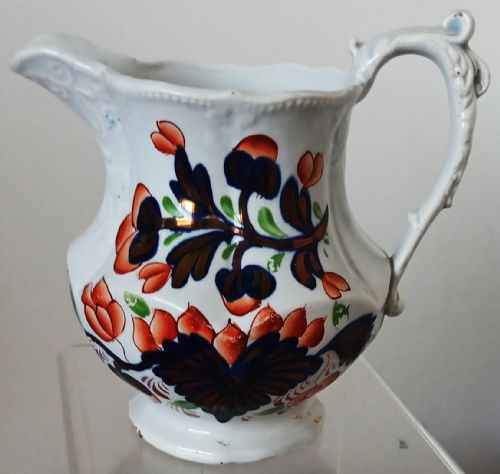
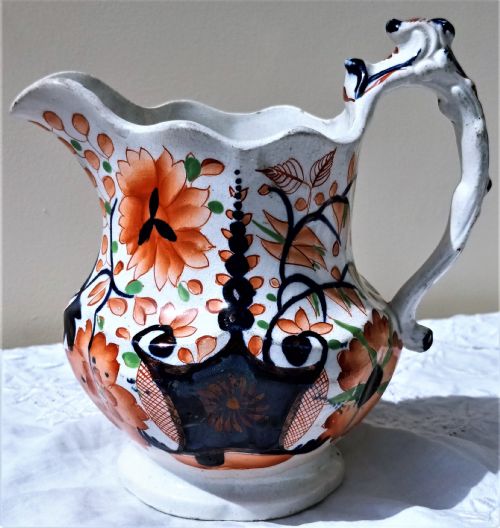
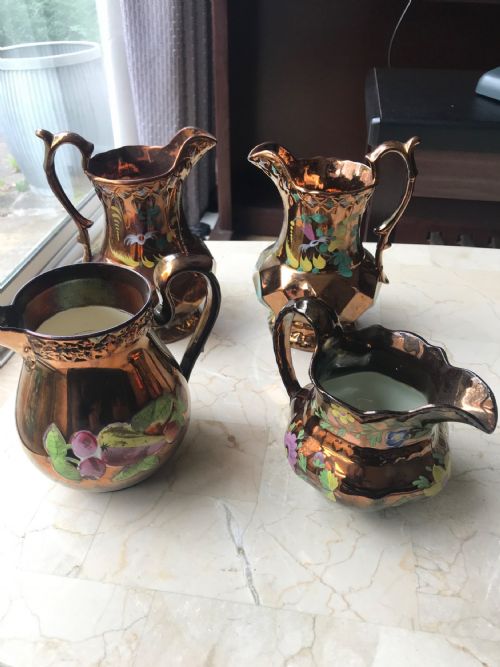
Decorators applied underglaze blue, enamel colours, and copper lustre glaze by hand. Certain high-status pieces incorporate delicate gold leaf highlights or blush ivory grounds.
Factories utilised specialised hand-painting techniques for botanical studies, fruit, and scenic vignettes, often signing or marking the finished porcelain.
The listings span porcelain, earthenware, and pearlware bodies, featuring decorative techniques from copper lustre glaze to hand-painted fruit and landscapes.
Standards of execution
Quality rests in the precision of the hand-painting and the crispness of the moulded ceramic body. Master painters achieved fine shading and accurate botanical details, whereas lesser pieces show rushed or repetitive brushwork.
The purity of the glaze and the success of the high-temperature kiln firing distinguish superior works. Wares with even glaze pools and sharp enamel adhesion outrank those with cloudiness or firing cracks.
Derby Porcelain·New Hall·Royal Worcester·Doulton Burslem·Meissen·John Rose Coalport
The Cream Ceramic Jug Painting Glossary
- Ewer
- A large jug or pitcher with a wide spout and curved handle, often used for decorative purposes rather than daily service. These forms date across the Georgian and Victorian periods.
- Pearlware
- A refined earthenware developed in the late eighteenth century featuring a subtle bluish glaze that pooled in recesses. It provided a paler ground for painted and transfer-printed decoration.
- Soft-paste porcelain
- A ceramic composition made from clay and glass frit rather than hard-paste materials, fired at lower temperatures. It produces a warm, creamy body common in eighteenth-century pieces.
- Copper lustre
- A metallic glaze technique giving earthenware a reflective, coppery sheen. It frequently appears alongside hand-decorated fruit or floral motifs.
- Puce mark
- A factory stamp applied in purple or reddish-brown pigment, used by makers such as Royal Worcester to date and identify their ceramic output.
Cream Ceramic Jug Painting: Frequently Asked Questions
How do I date an antique cream jug?
Examine the base for factory marks, pattern numbers, and the type of ceramic body used. Soft-paste porcelain and pearlware typically point towards the eighteenth or early nineteenth century.
Stylistic cues such as neoclassical shapes or Victorian rococo revival moulding also help narrow down the decade of production.
Are painted ceramic jugs safe for daily use?
Most antique pieces function best as cabinet displays or decorative floral vessels rather than active tableware. Overglaze enamels and delicate gold leaf can wear down with frequent washing.
Older ceramics may also have hairline fractures that weaken the body against hot liquids.
How should I clean painted ceramic antiques?
Dust surfaces gently with a soft, dry brush to prevent accumulation. Avoid abrasive cleaners, soaking, or dishwashers entirely, as these actions damage delicate enamel paints and gold leaf.
Use a damp cloth only when strictly necessary and dry the piece immediately.