


Mid Century Scottish Art
Mid century scottish art brings together striking modernist painting and silver work from periods spanning the mid twentieth century and earlier.
Mid Century Scottish Art
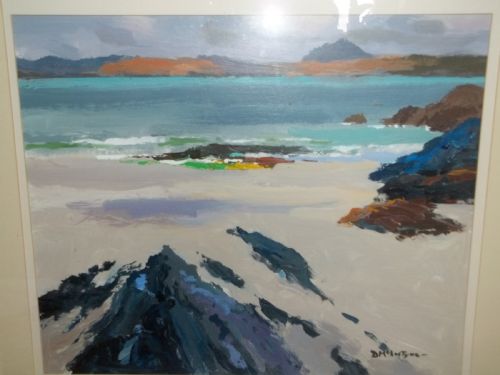
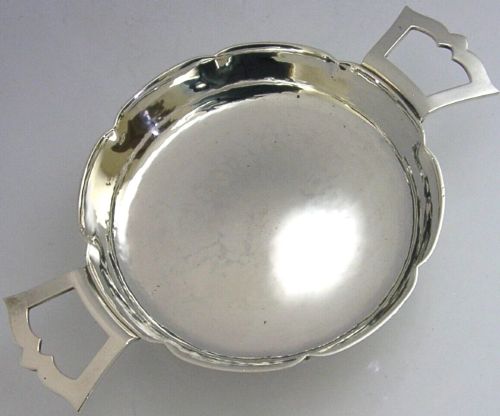
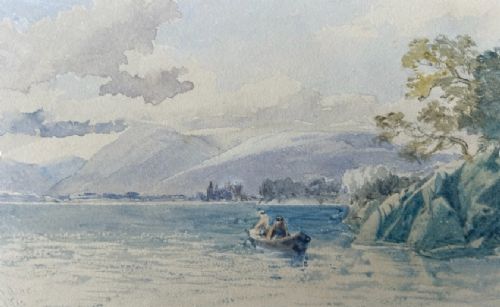
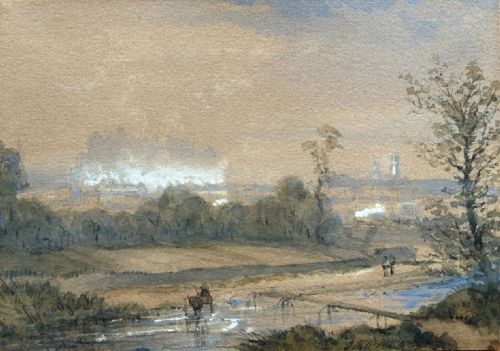
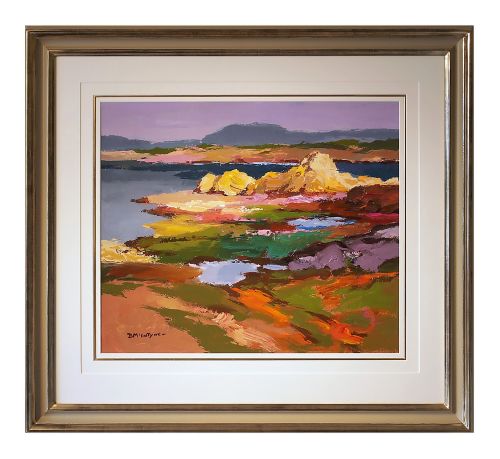
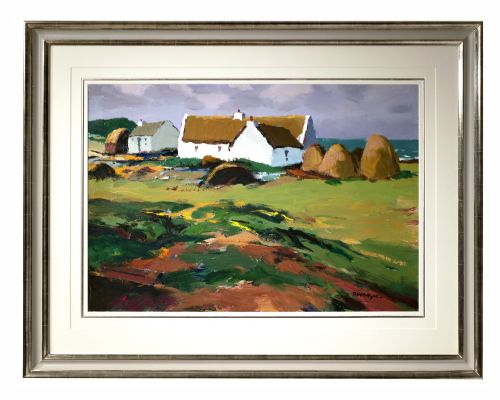
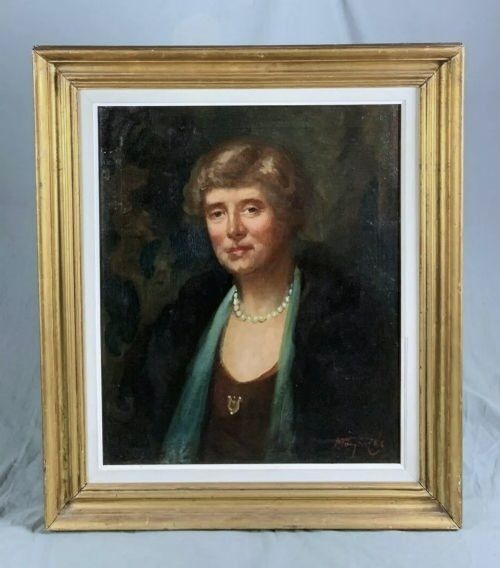
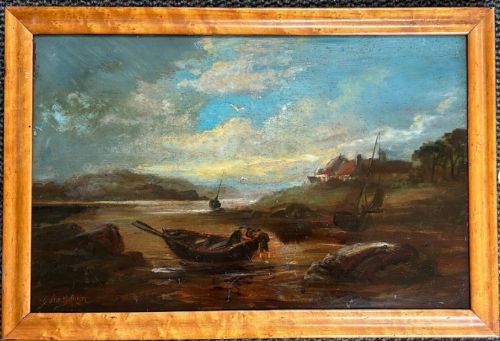
When you search for mid century scottish art, you encounter a selection spanning oil paintings on canvas and board, watercolours on paper, and sterling silver pieces. The material ranges from Victorian watercolours of lochs and Edinburgh landscapes to bold abstract oils and silver quaich cups.
The version you are most likely to meet on this page combines mid century modern paintings and impressionist works with traditional silver brooches. Makers and artists represented include Donald McIntyre, William Littlejohn, and R E Stone alongside Victorian figures like Thomas Miles Richardson Jnr.
The objects cross several decades, recording landscapes, bird studies, and still life compositions in oil paint, watercolour, and board. Pieces integrate modern British styles with earlier Arts and Crafts and Victorian traditions.
Materials and methods
Painters utilised oil paint and watercolour applied to canvas, board, paper, and wood panel. These mediums allowed artists to build impasto textures or apply thin washes to capture Scottish river landscapes and coastal scenes.
Silver items such as quaich cups and shield brooches demonstrate planished metalwork and Celtic art industries techniques. Makers shaped sterling silver to form functional vessels and decorative items with distinct hammered finishes.
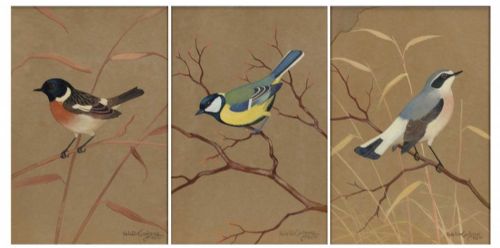
Ralston Gudgeon's garden birds sit quietly on paper, waiting for someone to feed them crumbs of appreciation.
Distinctions in quality
The degree of distinction in these works rests on the strength of the composition and the surety of the artist's touch, whether in a thick impasto oil or a delicate watercolour wash. Signed pieces by listed painters and recognised silversmiths carry greater weight.
Subtlety of colour and atmospheric capture in landscapes separate standard decorative watercolours from accomplished mid century Scottish paintings. In silver objects, crisp planishing marks and clear hallmarks determine the standard of the piece.
R E Stone·Thomas Miles Richardson Jnr·John R Prentice·Donald McIntyre·Charles James McCall·Ralston Gudgeon·William Littlejohn·William McCance·Stanley Orchart·Margaret Laing·Sam Bough·Sir William George Gillies·James Kerr McArthur·Josephine Haswell Miller·Donald Watson·Alastair Flatterly
The Mid Century Scottish Art Glossary
- Impasto
- A technique where paint is laid on an area of a surface in very thick layers, making the brush or knife strokes visible.
- Planished
- A metalworking finish achieved by hammering the surface with a polished tool to create smooth, uniform facets.
- Shield brooch
- A decorative fastening shaped like a shield, often featuring Celtic art motifs produced by regional industries.
Mid Century Scottish Art: Frequently Asked Questions
What defines mid century scottish art?
These pieces comprise paintings, watercolours, and silver objects created in Scotland or by Scottish artists primarily during the middle decades of the twentieth century. They reflect movements from modern British abstraction to impressionism.
You will also find nineteenth-century watercolours and silver craft that share a regional artistic heritage, offering a broad view of Scottish visual culture.
How were these paintings displayed?
Canvases and boards are typically framed to protect the edges and hang securely on domestic walls. Watercolour paintings on paper require framing behind glass to prevent environmental damage.
Silver items like brooches and quaichs were worn as personal adornments or displayed on surfaces as decorative tableware.
How do I care for silver quaichs?
Sterling silver requires occasional gentle cleaning with a specialised cloth to maintain its lustre without wearing down planished details. Avoid harsh chemical dips that strip the natural patina accumulated over decades.
Keep silver items away from damp environments and store them securely when not in use to prevent scratching.
How can I tell periods apart?
Nineteenth-century watercolours often feature detailed topographical views of Scottish landscapes with traditional signed monograms. Mid-century works tend towards bolder abstraction, impasto textures, and modernist palettes.
Silver pieces frequently carry hallmarks that date the metalwork precisely, aligning with Arts and Crafts or mid-century design revivals.