




Cream Blue Persian Rug
A cream blue persian rug brings centuries of textile artistry into a room with intricate motifs and soft tones.
Cream Blue Persian Rug
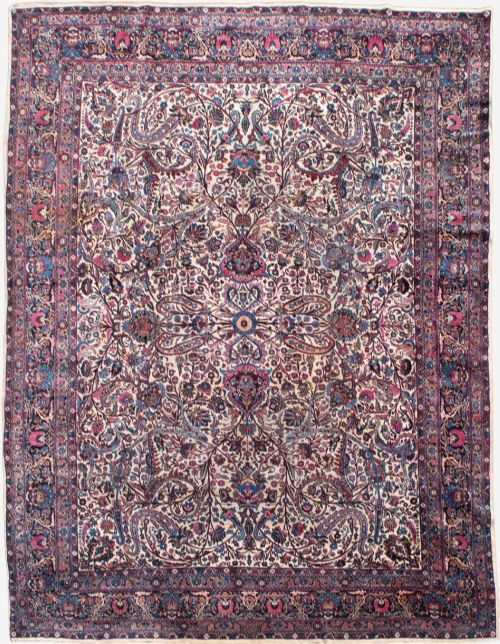
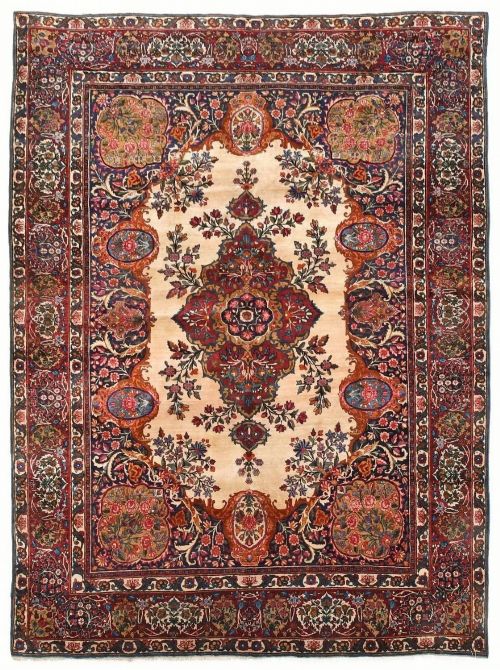
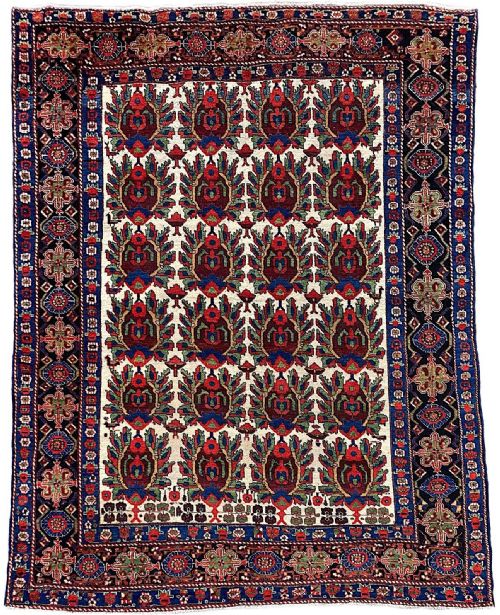
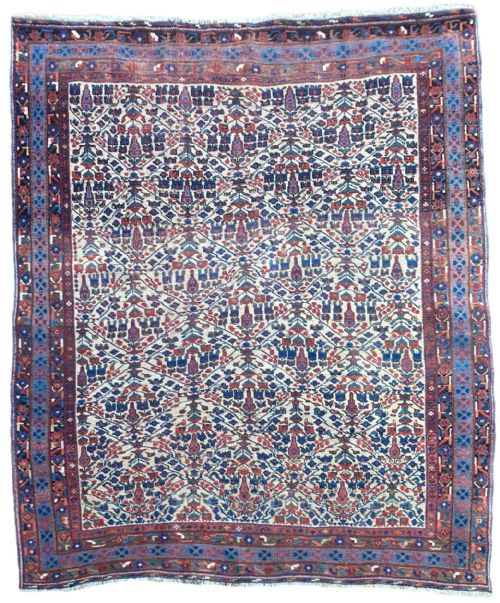
A cream blue persian rug comprises hand-knotted floor coverings originating from various weaving centres and tribal regions across Iran, spanning the nineteenth and early twentieth centuries. These pieces encompass room-size carpets, smaller area rugs, and narrow runners woven by urban workshops as well as nomadic groups.
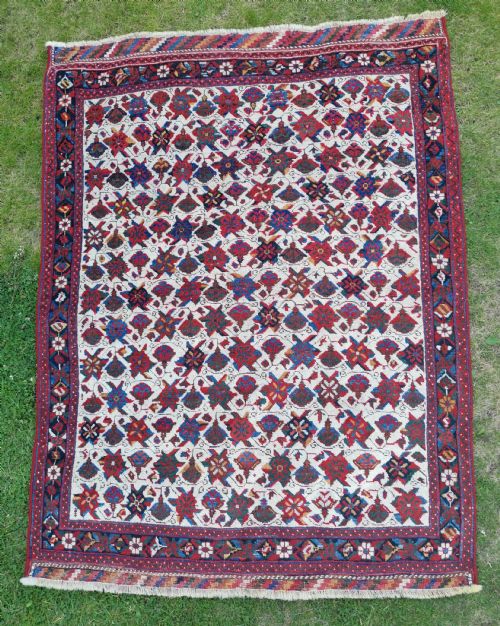
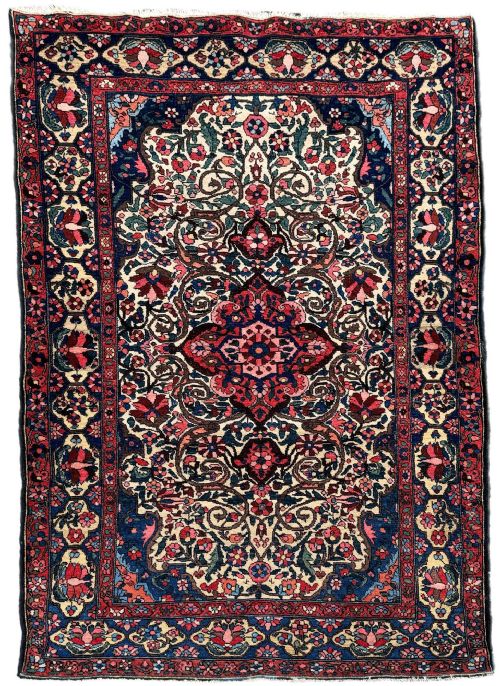
Buyers seeking this style encounter diverse traditional formats ranging from formal room-size Kirman and Tabriz carpets to geometric tribal pieces by Afshar, Bakhtiar, and Baluch weavers. The palette typically combines neutral ivory or cream fields with rich blue accents, often paired with reds and browns.
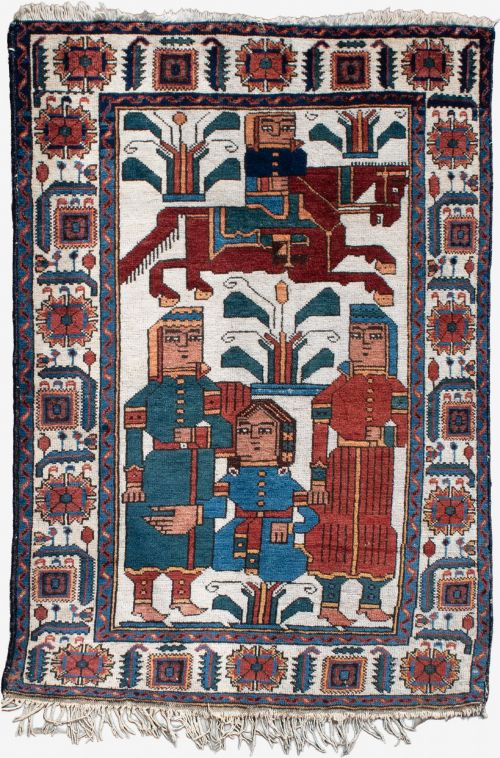
Nomadic and village examples frequently display medallions, animal motifs, or tribal symbols, while city carpets lean towards elaborate floral arrangements and vase designs. This selection reflects the wide geographic range of Persian weaving traditions recorded in the period evidence.
Materials and construction methods
Weavers constructed these textiles primarily using wool pile knotted onto cotton or wool foundations, sometimes incorporating goat hair for added durability along the edges. Certain finer city pieces utilised silk alongside wool to achieve intricate detail in floral and pictorial compositions.
The application of natural dyes provided the characteristic coloration of these carpets, producing stable hues that soften gracefully over time. Hand-spun wool supplied the yarn for many tribal and village productions, yielding a varied texture across the surface of the pile.
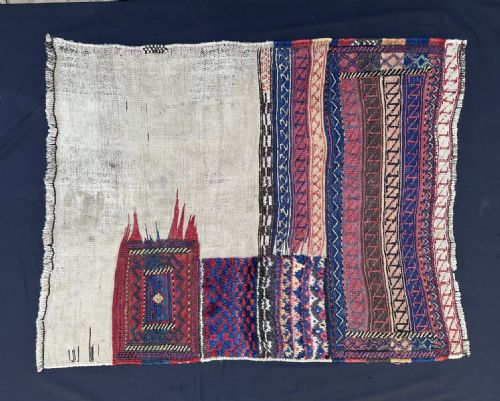
Certain wheat sacks were repurposed by weavers into miniature rugs, carrying daily agricultural life directly into textile form.
Factors of distinction
Knot density and structural fineness separate urban workshop carpets from simpler nomadic productions, allowing city weavers to execute complex curvilinear designs with precision. The quality of the wool and the depth of the natural dye palette also dictate the tactile richness and visual longevity of the textile.
Design execution and symmetry demonstrate the skill of the individual weaver or the oversight of the workshop master, particularly in intricate pictorial rugs or large room-size carpets. Preservation of the original pile height and selvedges determines the structural integrity of older pieces.
Mohtasham Kashan·Hajji Jalili
The Cream Blue Persian Rug Glossary
- Pile
- The vertical yarn loops that form the soft surface of a carpet, created by tying individual knots to the foundation warps.
- Warp
- The stationary lengthwise threads stretched on the loom that carry the structural tension of the woven textile.
- Weft
- The horizontal threads passed across the warps between rows of knots to secure the pile in place.
- Selvedge
- The reinforced outer edge of a rug that prevents the sides from unravelling.
- Medallion
- A symmetrical central ornament placed in the field of a rug, frequently seen in Persian carpet designs.
Cream Blue Persian Rug: Frequently Asked Questions
How do I identify a tribal rug?
Tribal rugs typically display geometric patterns, stylised animal motifs, and spontaneous design variations executed by nomadic or village weavers.
These pieces often utilise hand-spun wool and employ simpler looms compared to urban workshops.
What is a runner rug used for?
Runner rugs are long, narrow textiles designed specifically for hallways, corridors, and staircases.
They protect high-traffic wooden floors while adding pattern and warmth to narrow architectural spaces.
Are these rugs made with natural dyes?
Many older pieces rely on natural dye sources derived from plants, roots, and insects to achieve their distinct coloration.
These dyes produce harmonious, varied tones that mellow organically over decades of exposure and use.
How are city carpets different from village pieces?
City carpets originate from established workshops in centres such as Tabriz or Kirman, featuring refined floral compositions and high knot densities.
Village and nomadic pieces showcase bolder geometric structures and more idiosyncratic local traditions.