


Cream and Red Carpet
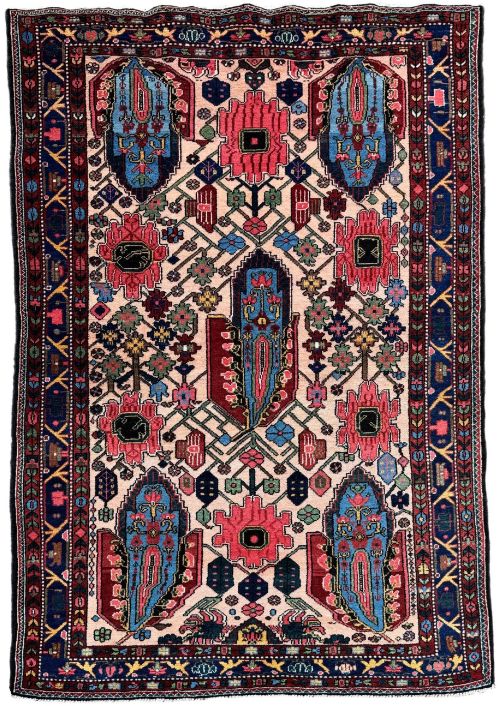
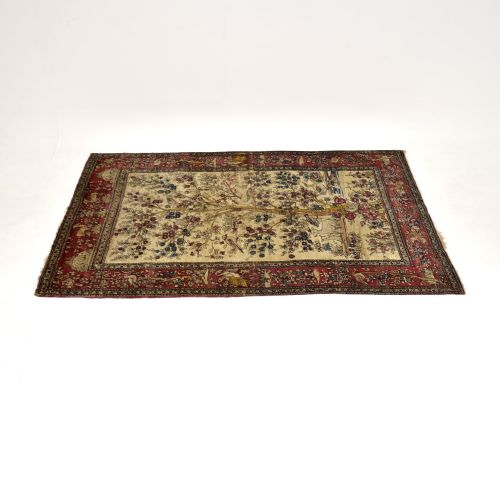
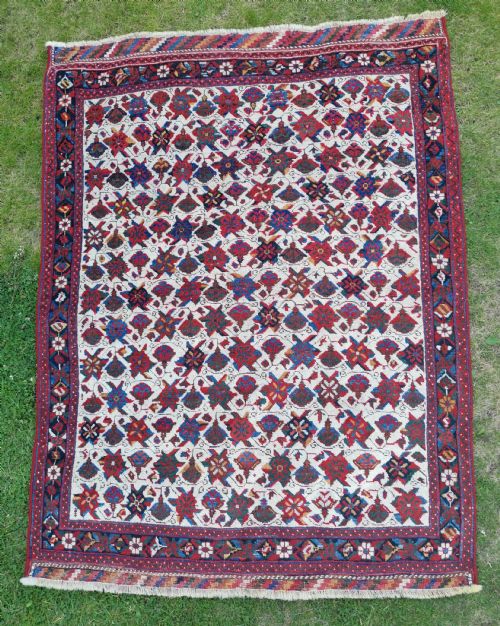
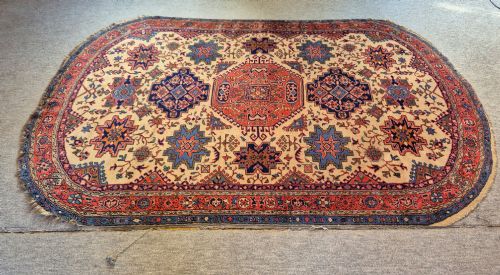
A cream and red carpet brings warmth and structure to a room through traditional Persian and Anatolian weaving.
Cream and Red Carpet
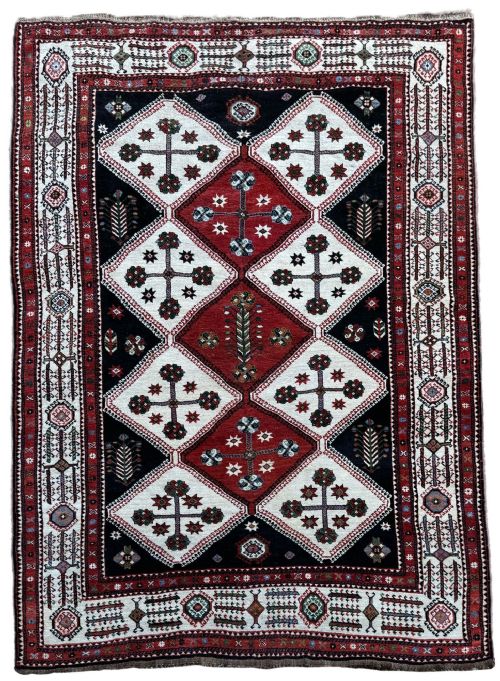
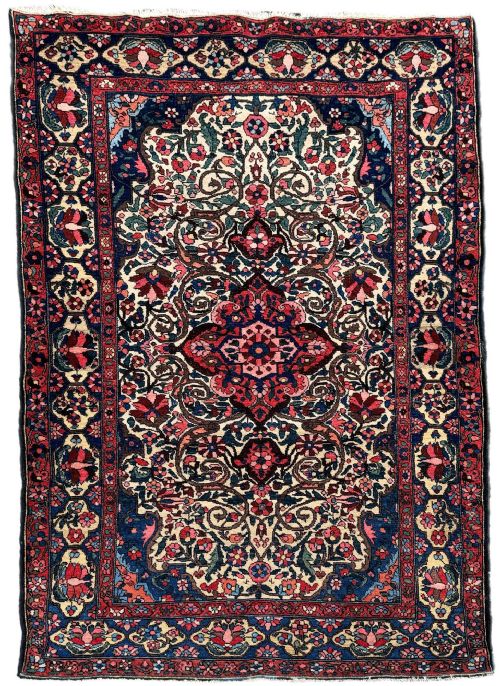
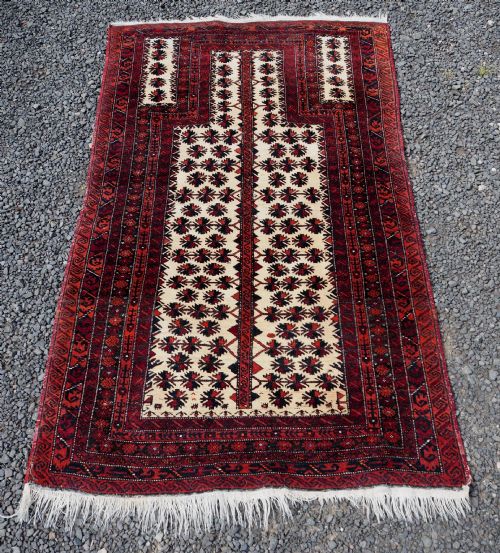
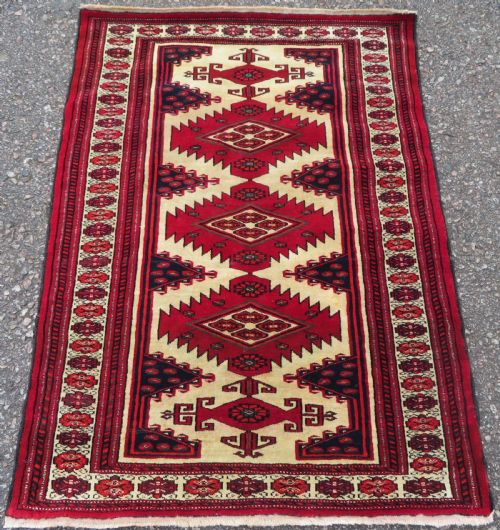
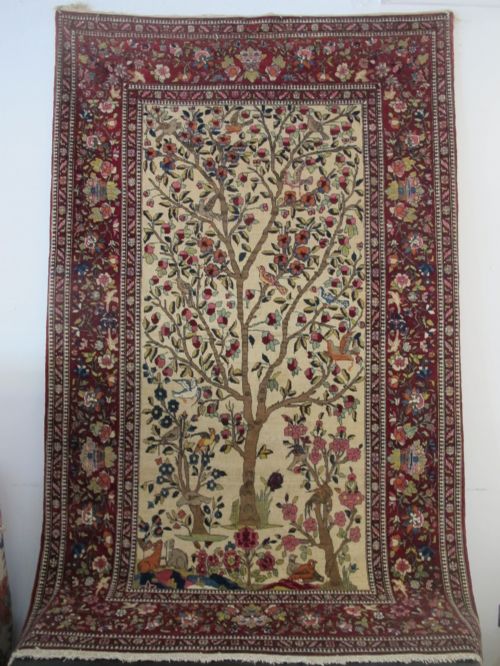
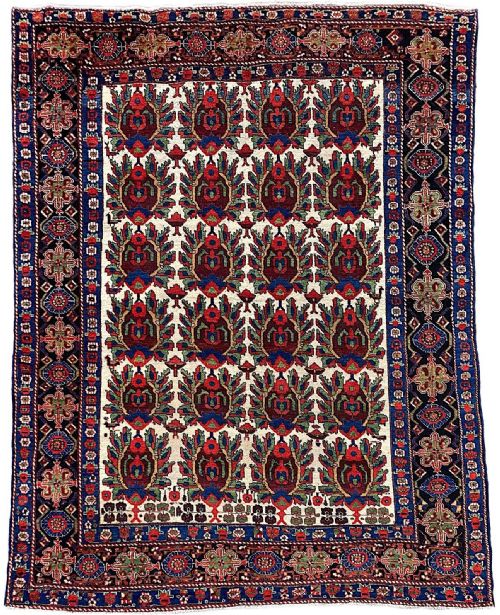
When searching for a cream and red carpet, buyers encounter hand-knotted room-size carpets, runners, and village rugs originating from Persia, Turkey, and the Caucasus. These pieces span the nineteenth and early twentieth centuries, offering traditional designs woven in rich crimson, madder red, and ivory wool.
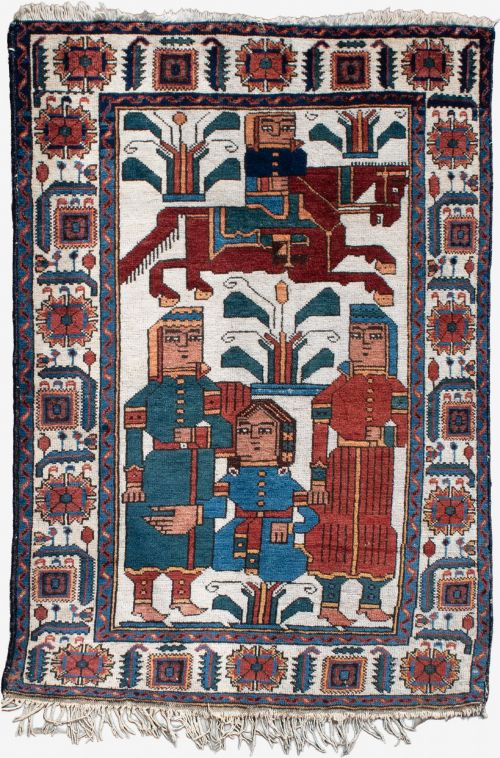
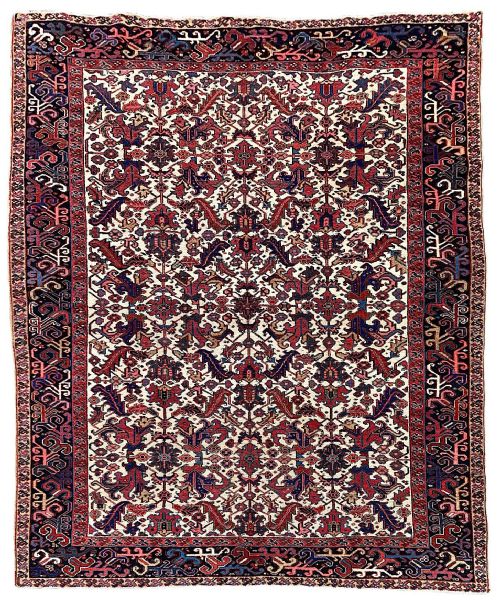
The most common examples on this page are antique Persian carpets from centres such as Heriz, Tabriz, and Kirman, alongside smaller tribal rugs from groups like the Bakhtiar, Afshar, and Baluch. Their colour palettes typically combine ivory or cream fields with borders and medallions rendered in deep reds.
Buyers select these floor coverings to anchor sitting rooms, studies, and hallways with enduring patterns that demonstrate regional weaving traditions. Each piece reflects the specific aesthetic of its origin, from geometric village patterns to intricate curvilinear court designs.
Materials and construction
These carpets and rugs rely primarily on wool, occasionally incorporating cotton foundations and select details in silk. The wool is frequently hand-spun, giving the pile a resilient texture that responds well to traditional vegetable dyes.
Weavers knotted the pile onto warp and weft foundations by hand, creating dense structures designed to withstand decades of foot traffic. The edges are typically overcast by hand, securing the sides and maintaining the structural integrity of the rug.
Some Baluchi weavers included small protective amulets woven directly into the pile to ward off the evil eye.
Judging quality in antique rugs
Quality rests in the precision of the knotting and the density of the pile, which determines how sharply the red and cream motifs are defined. Finer knot counts allow for intricate curvilinear designs, whereas bolder geometric village rugs achieve character through robust wool and expressive tribal patterns.
The choice of dyestuffs significantly influences the character of the piece, with natural dyes developing a softer patina over time. Abrash, or subtle tonal variations within the red and cream fields, demonstrates the use of traditional dyeing batches rather than uniform synthetic colours.
Ahmadi Isfahan·Ziegler
The Cream and Red Carpet Glossary
- Abrash
- Natural colour variation within a single field of tone, caused by shifts in dye batches during wool preparation. This feature is often prized by collectors for confirming traditional hand-dyeing methods.
- Warp
- The stationary vertical threads stretched onto the loom before weaving begins. The exposed fringe at either end of the rug consists of these finished warp threads.
- Weft
- The horizontal threads passed back and forth across the warp threads to bind the knots in place. Together, warp and weft form the structural foundation of the carpet.
- Pile
- The upright cut ends of the knotted yarn that form the usable surface of the rug. Pile depth varies between dense city carpets and flatter village weaves.
- Medallion
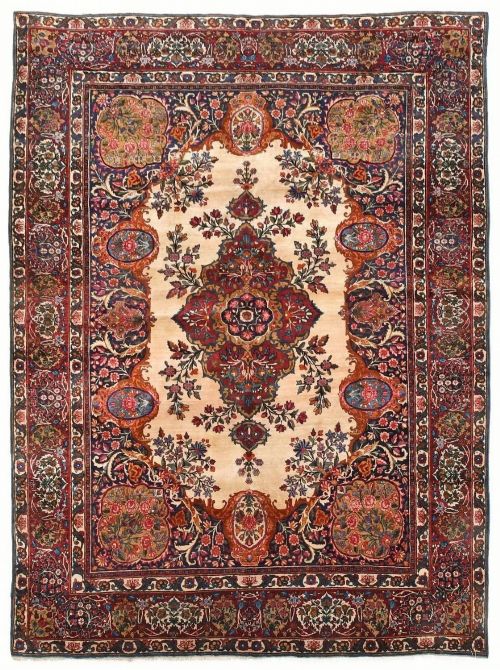
- A symmetrical ornamental motif centred in the middle of the carpet field. Many Persian and Anatolian designs build their primary composition around this central element.
Cream and Red Carpet: Frequently Asked Questions
How do I clean an antique rug?
Gentle surface brushing and professional specialist washing preserve the natural wool fibres without damaging the traditional dyes.
Avoid harsh chemical treatments or immersion washing unless handled by an expert experienced in antique textiles.
Can I place these rugs in hallways?
Longer runner formats and sturdy village weaves suit high-traffic areas like corridors and entrance halls.
Using a quality underlay prevents slipping and cushions the foundation against hard stone or wooden floors.
How do I date an older carpet?
Stylistic markers, structural materials, and the types of dye used help narrow down the period of production.
Comparing knot density and design symmetry against known regional examples provides a reliable timeframe.
What is a prayer rug?
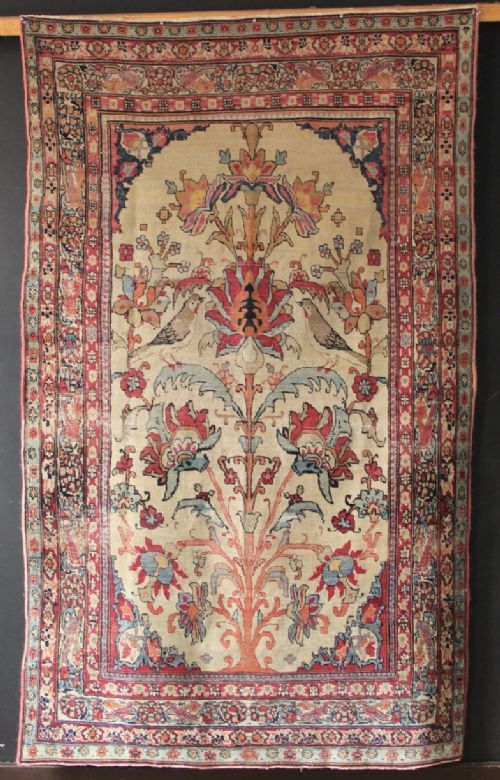
Prayer rugs feature a distinctive mihrab or arch design pointing towards Mecca during daily devotions.
These smaller formats were easily portable and often hung on walls or placed on floors for personal use.