



Craftsman Style Light
These craftsman style light pieces bring honest materials and robust form into a room, offering both utility and enduring design.
Craftsman Style Light
When you search for craftsman style light pieces, you encounter items shaped by the ideals of the Arts and Crafts movement and related regional idioms. The selection spans several decades from the Victorian era through the mid-twentieth century, capturing a period of deliberate, considered design.
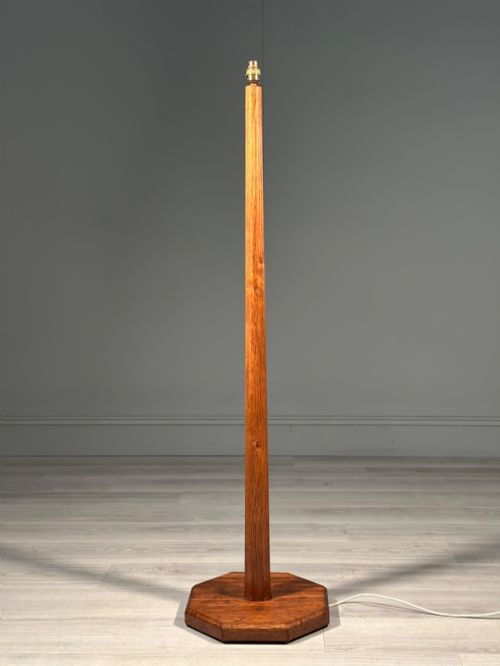
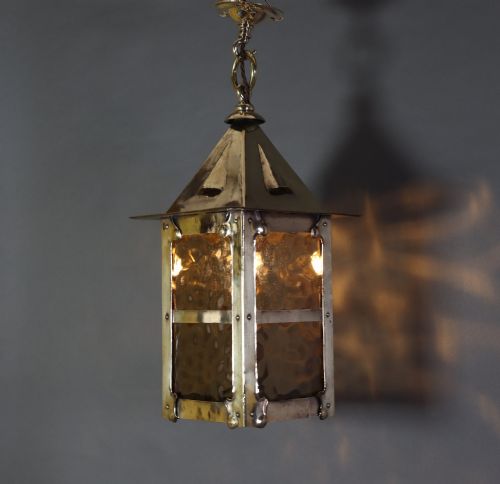
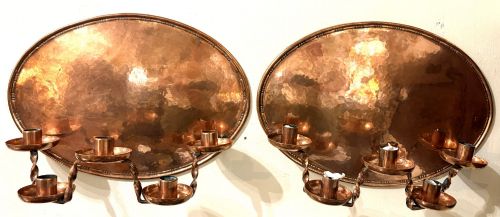
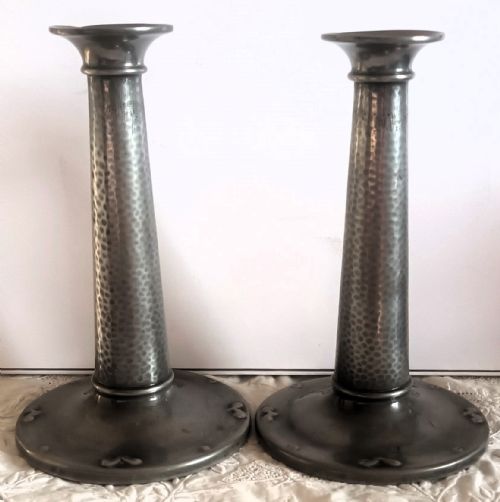
Floor lamps, wall sconces, pendants, and candlesticks form the core of what appears here. You are most likely to meet standard lamps in oak and wall lights or lanterns fashioned from copper and brass.
The origins of these objects reach from English workshops to continental Europe, showing how widely the philosophy of handcraft spread. Pieces span from the turn of the twentieth century into the nineteen-fifties, maintaining a strong focus on structural integrity and visible construction.
How they were made
Metals such as copper, brass, and pewter receive surface treatment through hand chasing, hammering, and patination, leaving the marks of the maker visible on the finished object. These techniques give each piece a tactile quality that machine production avoids.
Woodwork relies heavily on solid oak, often left natural or limed to reveal the grain, alongside structural joinery that prioritises strength and simplicity. The integration of glass panels within brass or copper lanterns completes the construction.
Craftsman Style Light Retail Price Guide 2026
Typical asking prices for craftsman style light among the pieces listed under this phrase on Sellingantiques today, from the lower quarter to the upper quarter. They describe what is for sale here now, not the wider market.
Some piano stools double as silent witnesses to generations of uneven scales and ambitious arpeggios.
What varies in quality
The distinction between standard production and exceptional work lies in the handling of the material and the proportion of the form. Heavier gauges of metal and more deliberate hand-shaping elevate an object above simpler commercial counterparts.
Design attribution and workshop origin create notable divergence across the range, particularly when objects connect directly to named schools or prominent designers. The refinement of the joinery in oak pieces or the intricacy of metalwork distinguishes superior examples.
Arthur Reynolds·Heals
The Craftsman Style Light Glossary
- Arts and Crafts
- A design movement advocating for traditional craftsmanship, simple forms, and the use of local materials. It emerged in reaction to machine-driven industrial production.
- Standard Lamp
- A tall floor-standing lighting fixture designed to illuminate a room from a fixed base. These often feature substantial wooden shafts and heavy weighted feet.
- Wall Sconce
- A decorative lighting fixture fixed to a wall to hold candles or electric bulbs. They frequently incorporate backplates of hammered copper or brass.
- Amsterdam School
- An architectural and design style characterised by expressive forms, traditional brickwork, and elaborate metalwork. It developed in the Netherlands during the early twentieth century.
- Pewter
- A malleable metal alloy primarily composed of tin, used historically for tableware and decorative vessels. It offers a soft, grey lustre when polished or patinated.
Craftsman Style Light: Frequently Asked Questions
What is a craftsman style light?
A craftsman style light is a lighting fixture rooted in the Arts and Crafts tradition, emphasising exposed construction, honest materials like copper, brass, and oak, and handcrafted details.
These objects range from hanging lanterns and wall sconces to floor-standing standard lamps, each built to highlight utility alongside aesthetic proportion.
How do I date these lights?
Dating relies on examining the materials, construction techniques, and stylistic markers recorded in the specific design idioms of the period, spanning from the Victorian era to the mid-twentieth century.
Changes in metalworking methods and the shift from candle holders to electrical adaptation help establish the approximate decade of production.
Where were these pieces made?
These pieces originate from various workshops and schools across Britain and continental Europe, reflecting the widespread influence of craft reform movements.
Regional centres such as the Cotswolds produced distinct domestic oak furniture and lighting, while continental makers contributed styles like the Amsterdam School.
How do I care for antique metalwork?
Care for antique copper, brass, and pewter involves maintaining the existing surface patina rather than attempting to achieve a bright, modern shine. Gentle dusting and occasional soft waxing protect the metal from environmental wear without removing historical depth.