


Craftsman Furniture
Craftsman furniture gathers solid oak tables, bookcases and chairs built to last, valuing honest construction over fussy ornamentation.
Craftsman Furniture
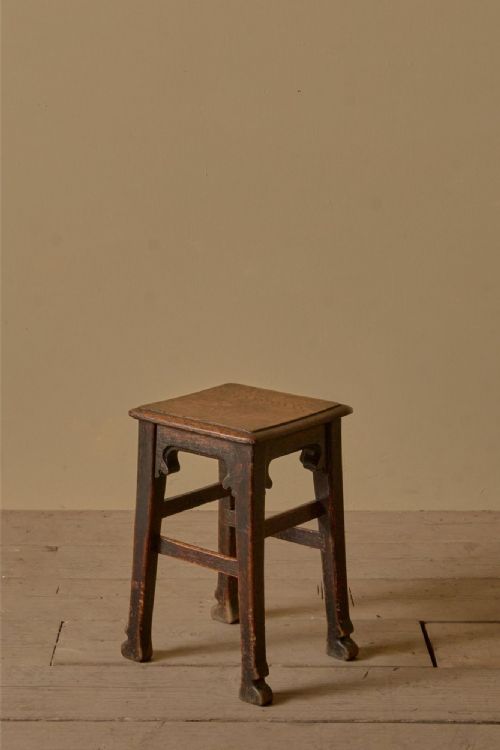
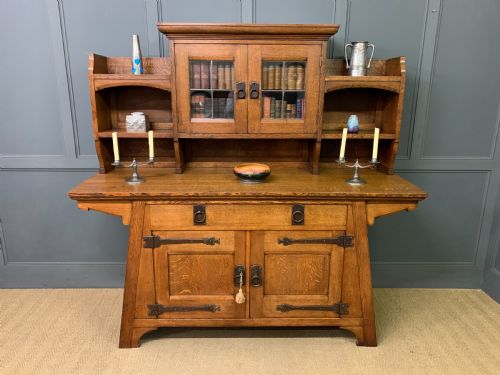
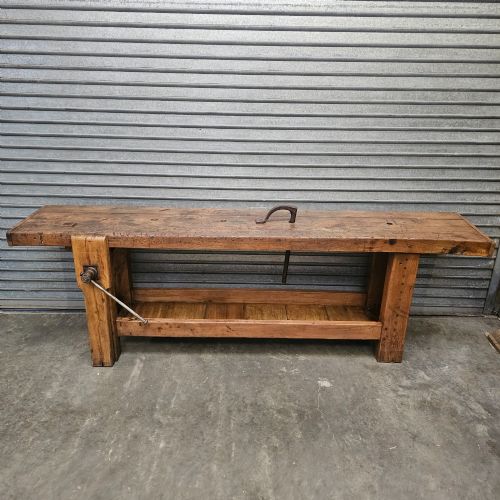
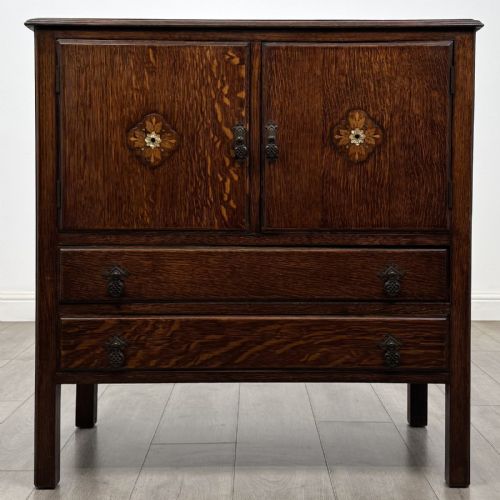
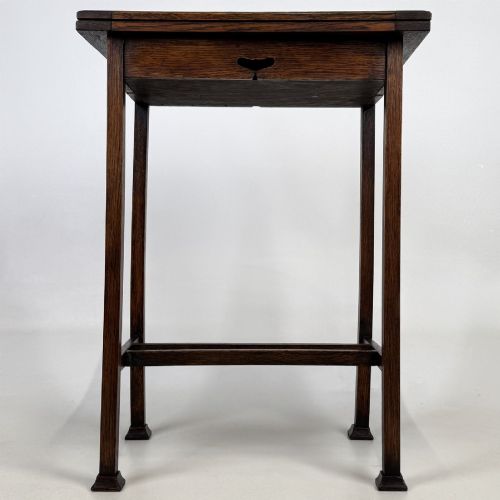
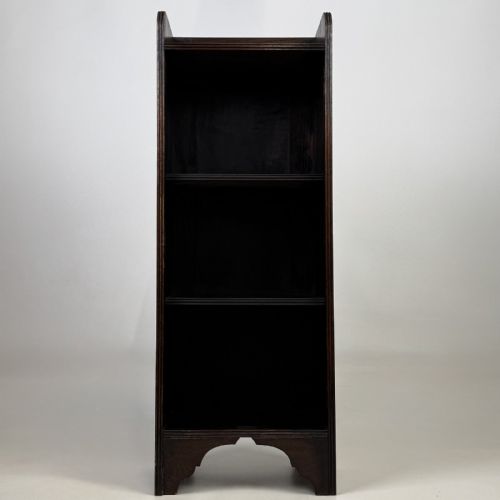
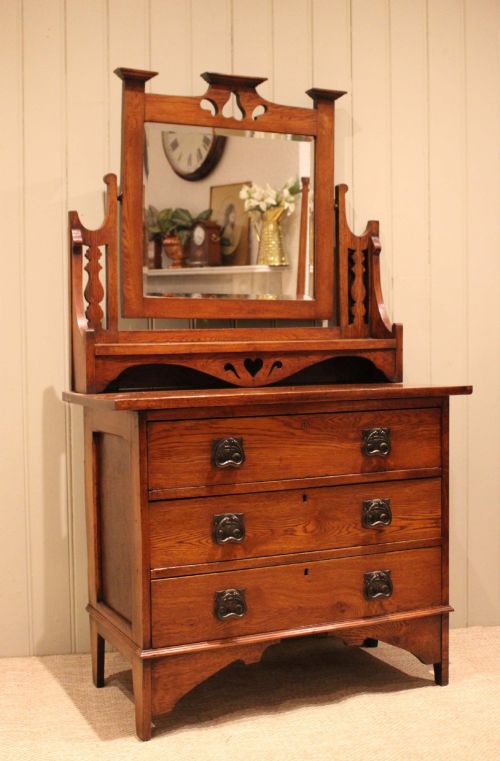
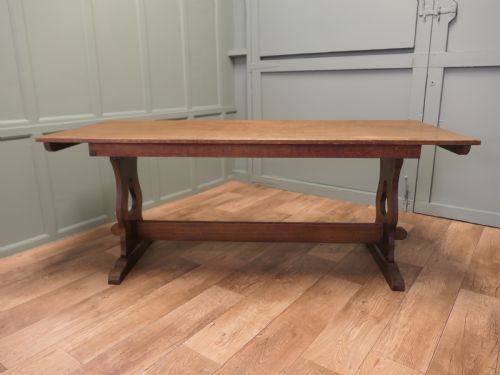
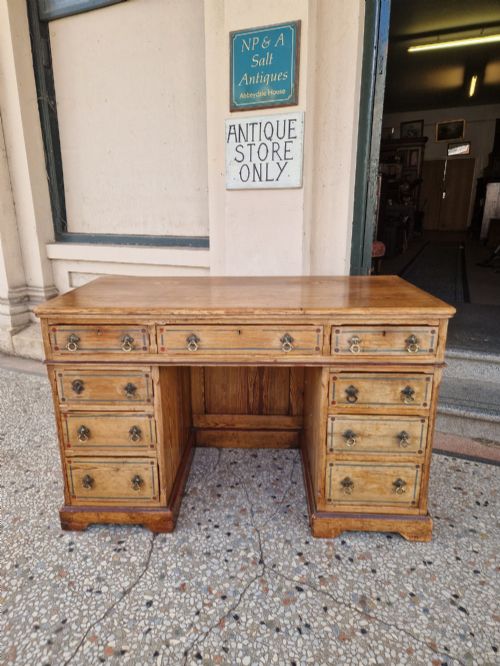
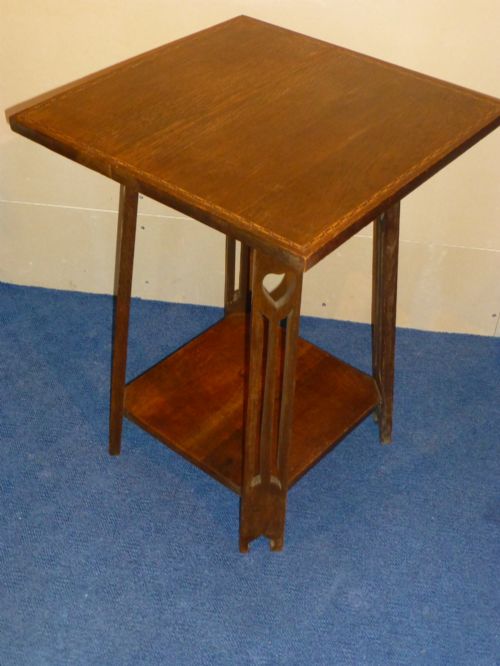
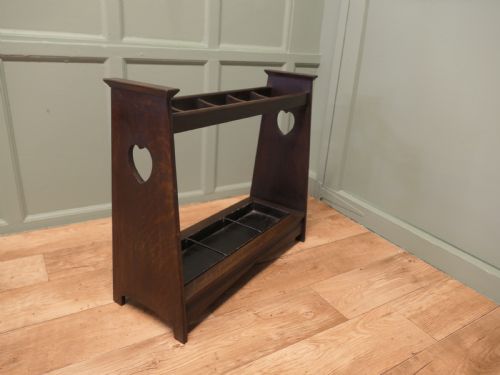
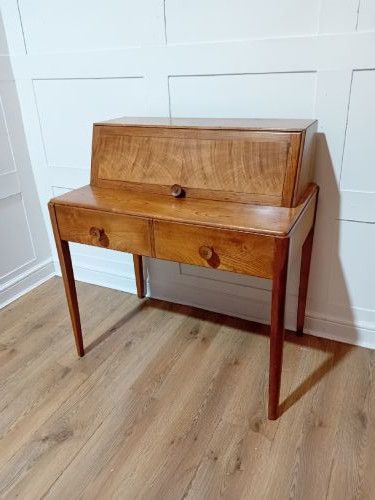
When you search for craftsman furniture, you encounter pieces rooted in the Arts and Crafts movement alongside related vernacular designs from the late nineteenth and early twentieth centuries. The selection on this page centres on sturdy oak items, ranging from refectory dining tables and open bookcases to hall stands and chests of drawers.
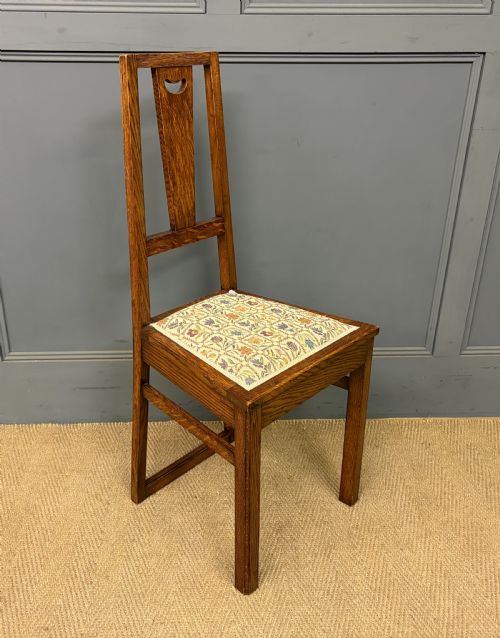
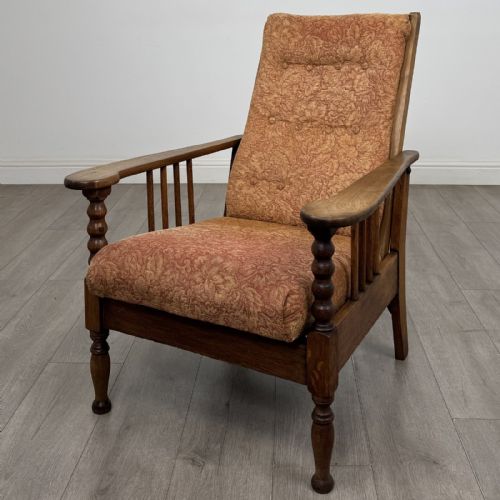
Most pieces date from the Edwardian era and around nineteen hundred, reflecting a period when makers prioritised utility and simple forms. You will frequently find side tables, armchairs with rush seats, and writing bureaus that display the natural grain of the timber.
Origins span from standard London workshops to regional interpretations like the Cotswold School and specific retailers such as Liberty and Co. These domestic forms were made for everyday use in family homes, balancing unpretentious utility with careful hand-finished details.
Materials and Construction
Makers relied heavily on solid oak, golden oak, and walnut, often leaving the timber in its natural state or limed rather than heavily polished. Secondary woods like pitch pine and yew also appear, alongside iron, copper, and brass hardware such as strap hinges and drop handles.
Joinery techniques define the construction, employing visible dovetails, pegged mortise and tenon joints, and raised galleries. Upholstered elements typically utilise simple leather or woven rush, while occasional pieces incorporate subtle inlays or carved motifs.
Craftsman Furniture Retail Price Guide 2026
Typical asking prices for craftsman furniture among the pieces listed under this phrase on Sellingantiques today, from the lower quarter to the upper quarter. They describe what is for sale here now, not the wider market.
Listings feature items spanning the late nineteenth century through the nineteen-thirties, dominated by oak and walnut constructions.
Variations in Quality
The distinction between standard workshop production and top-tier pieces lies in the crispness of the hand-finishing and the selection of the timber. Superior pieces display carefully chosen quarter-sawn oak with prominent medullary rays, whereas simpler items use plain-sawn boards.
Attribution to known makers or significant retail houses elevates a piece, as seen in items bearing stamps or specific design characteristics. The integrity of the original joinery and hardware also separates routine domestic furniture from distinguished examples of the movement.
William Birch·Harris Lebus of Tottenham·Heals·Arthur Basil Reynolds·Peter Waals·Edward Barnsley·George Walton·GW Evans
The Craftsman Furniture Glossary
- Quarter-sawn oak
- Timber cut radially to the growth rings, producing a distinct decorative fleck pattern known as medullary rays. This cut provides superior dimensional stability.
- Mortise and tenon
- A traditional woodworking joint where a projecting tenon fits tightly into a matching mortise hole. It forms the structural skeleton of most sturdy tables and chairs.
- Refectory table
- A long dining table traditionally used for communal meals. In this context, it describes heavy-framed oak tables built with sturdy stretcher bases.
- Rush seat
- Woven seating material made from dried marsh grasses. It provides a flexible and durable surface for ladder-back and armchairs.
Craftsman Furniture: Frequently Asked Questions
What defines craftsman furniture?
Craftsman furniture encompasses utilitarian wooden items produced during the late nineteenth and early twentieth centuries, heavily influenced by the Arts and Crafts movement. These pieces prioritise honest construction, visible joinery, and the natural beauty of materials like oak and walnut.
Decoration is typically minimal, relying instead on structural elements such as exposed pegs, dovetails, and metal hardware made from copper or brass. The aesthetic values utility and hand-worked surfaces over mass-produced ornamentation.
How do I identify an original piece?
Original pieces from this period often display specific construction traits, such as hand-cut dovetails, pegged joints, and solid timber backs on bookcases and chests of drawers. Look for maker's marks, retailer stamps, or distinctive regional styles associated with workshops of the era.
Wear patterns should match the age of the timber, and secondary woods used in hidden areas should align with period manufacturing practices. Examining the grain and finish helps distinguish genuine Edwardian work from later reproductions.
How do I care for solid oak furniture?
Solid oak requires stable indoor humidity levels to prevent the timber from warping or splitting as environmental conditions change. Keep pieces away from direct heat sources and strong sunlight, which can dry out the wood and fade the finish.
Routine maintenance involves dusting with a soft, dry cloth rather than applying heavy silicone-based polishes. Occasional application of appropriate wax feeds the wood and preserves its natural lustre.
Where were these pieces used in the home?
These items were designed for principal rooms throughout Edwardian and interwar houses, including dining rooms, libraries, and hallways. Bookcases, refectory tables, and armchairs formed the functional core of domestic living spaces.
Smaller items like lamp tables, umbrella stands, and hall stands served specific entryways and reception areas. Their sturdy construction ensured they withstood daily family life.