

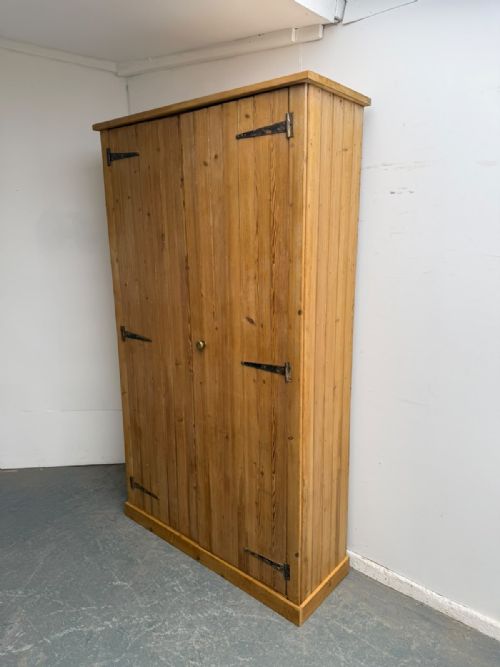
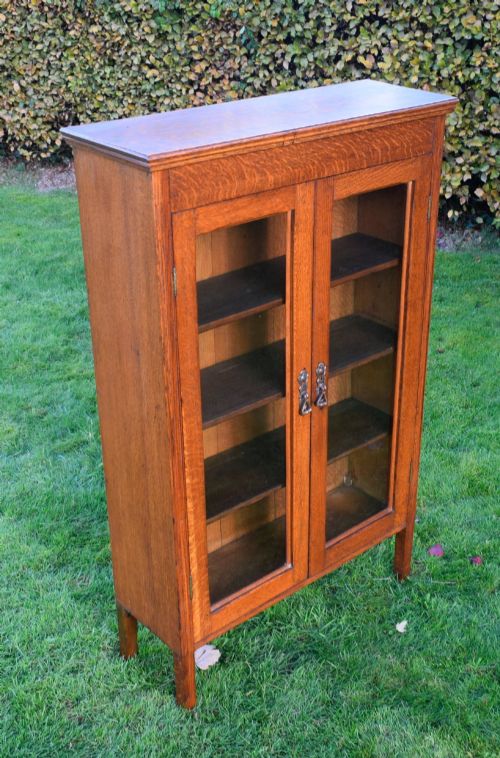
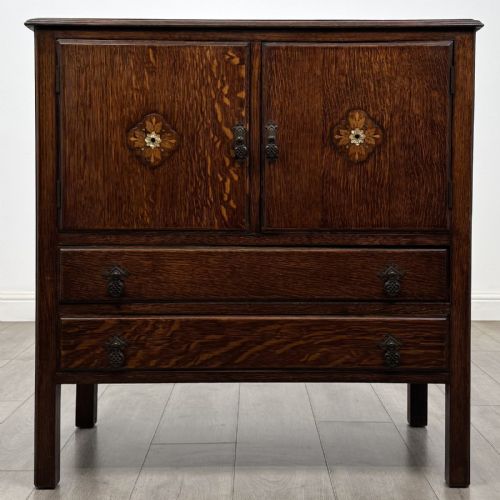
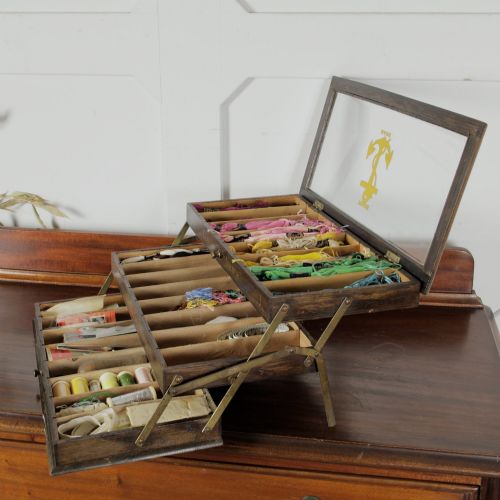
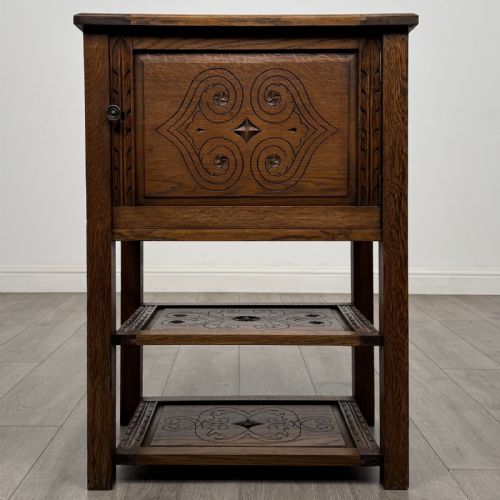
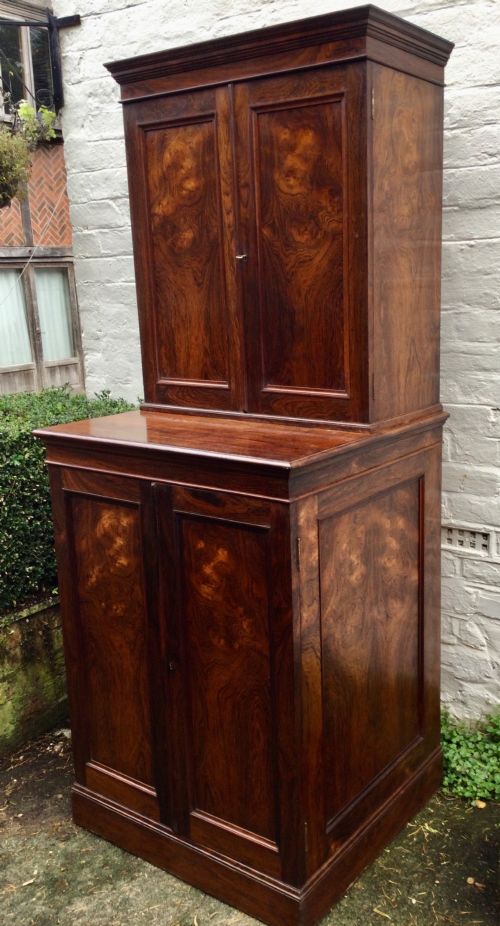
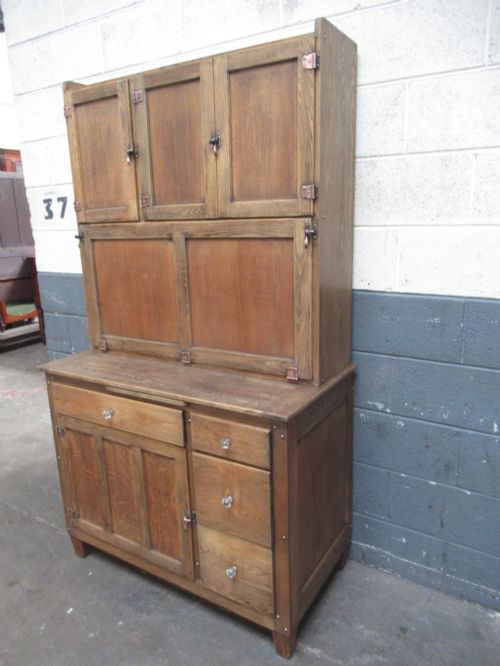
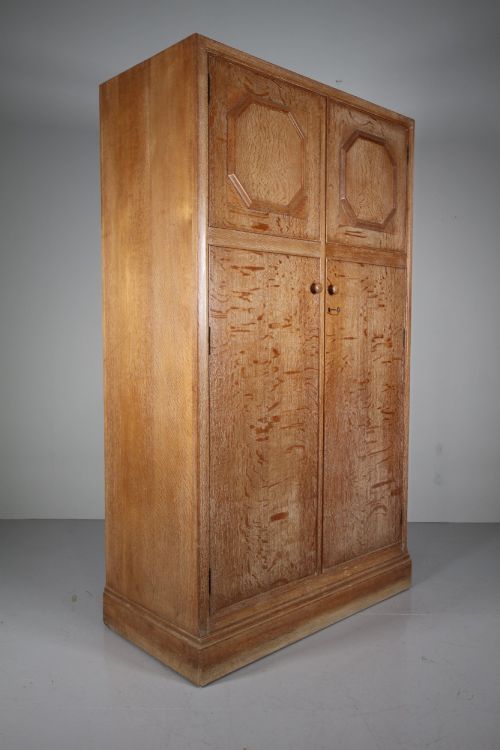
Craft Storage Cabinet
A craft storage cabinet organises materials and tools with sturdy practicality, bringing period character and compartmented utility directly into a workspace.
Craft Storage Cabinet
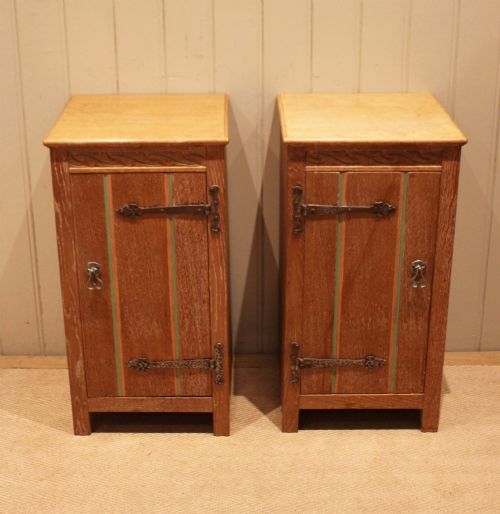
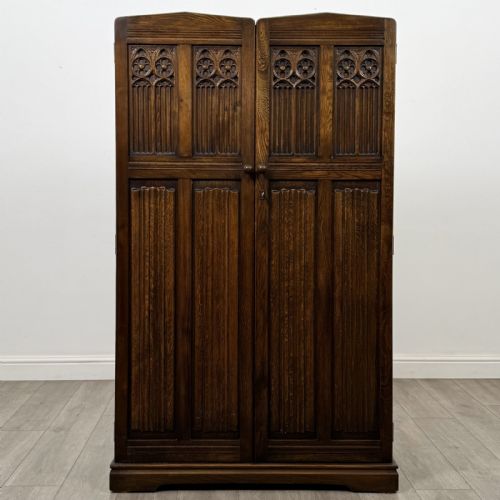
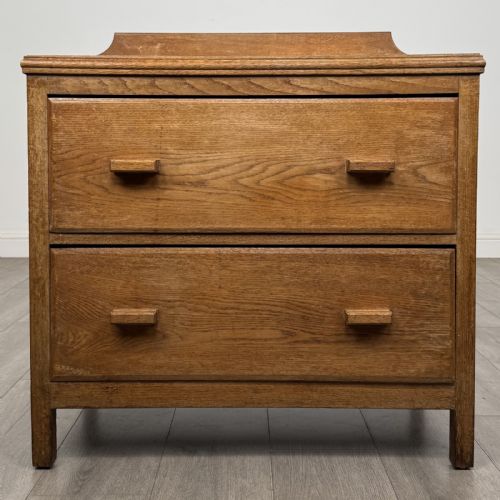
When searching for a craft storage cabinet, you encounter sturdy utilitarian furniture designed to hold materials, tools, and collections securely. The selections span compact cupboards, fitted storage pieces, and small chests of drawers.
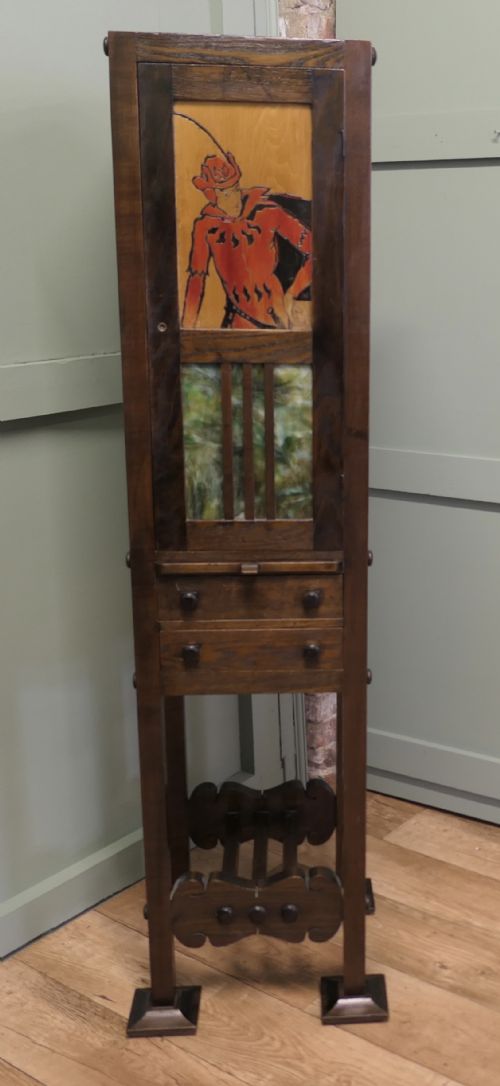
Most examples originate from the Victorian and Edwardian eras, alongside pieces from the nineteen-twenties and nineteen-thirties reflecting Arts and Crafts and utilitarian principles. Oak, pine, and mahogany dominate the forms, providing durable housing for supplies.
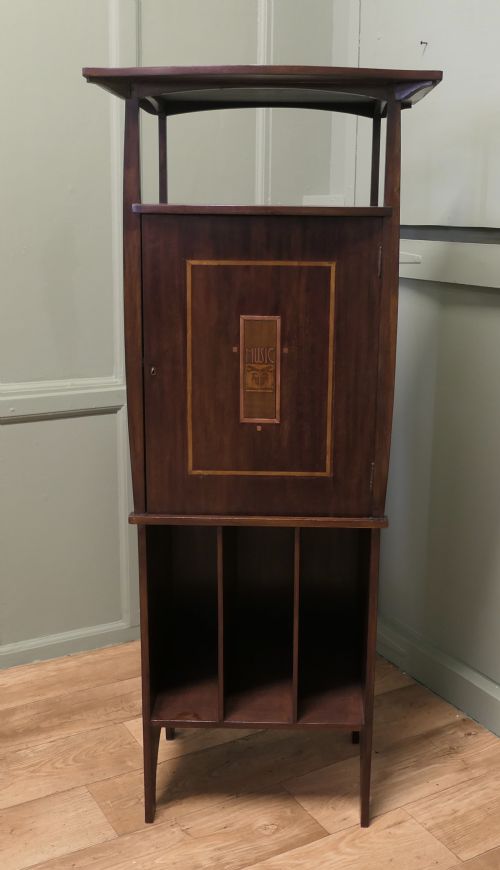
Makers and workshops of the early twentieth century applied thoughtful internal partitioning to these cabinets, ensuring that small implements and textiles found a dedicated home. The variety includes sideboards, music cabinets, and small linen cupboards adapted for organisational tasks.
Materials and construction methods
Makers built these cabinets primarily from solid oak, walnut, mahogany, and pine, selecting timber for strength and grain pattern. Brass handles, hinges, and glass door panels frequently accent the wooden structures.
Cabinetmakers utilised traditional joinery techniques, incorporating raised galleries, carved details, and glazed doors to combine display space with secure containment. Surfaces received wax finishes or remained natural to highlight the texture of the wood.
Craft Storage Cabinet Retail Price Guide 2026
Typical asking prices for craft storage cabinet among the pieces listed under this phrase on Sellingantiques today, from the lower quarter to the upper quarter. They describe what is for sale here now, not the wider market.
Listings feature pieces spanning from the nineteenth century through the nineteen-thirties, constructed in oak, pine, mahogany, and walnut.
Distinctions in construction and design
Quality rests on the selection of timber and the precision of the joinery, distinguishing standard utilitarian cupboards from workshop-designed pieces. Superior examples feature robust drawer linings, original brass hardware, and carefully executed carved or beaded enrichment.
Design ambition separates basic storage from exceptional pieces, particularly when prominent makers or schools of design influenced the construction. The integrity of internal fittings and the retention of original glass or handles shape the overall standard of the cabinet.
Heals Of London·Shapland & Petter·GM Elwood for JS Henry·Whytock and Reid·Peter Waals
The Craft Storage Cabinet Glossary
- Arts and Crafts
- A design movement prioritising traditional craftsmanship, natural materials, and simple forms. It rejected mass production in favour of visible hand-construction.
- Raised gallery
- A low wooden upstand attached to the top surface or back of a cabinet or chest. It prevents items from sliding off the edge.
- Purdonium
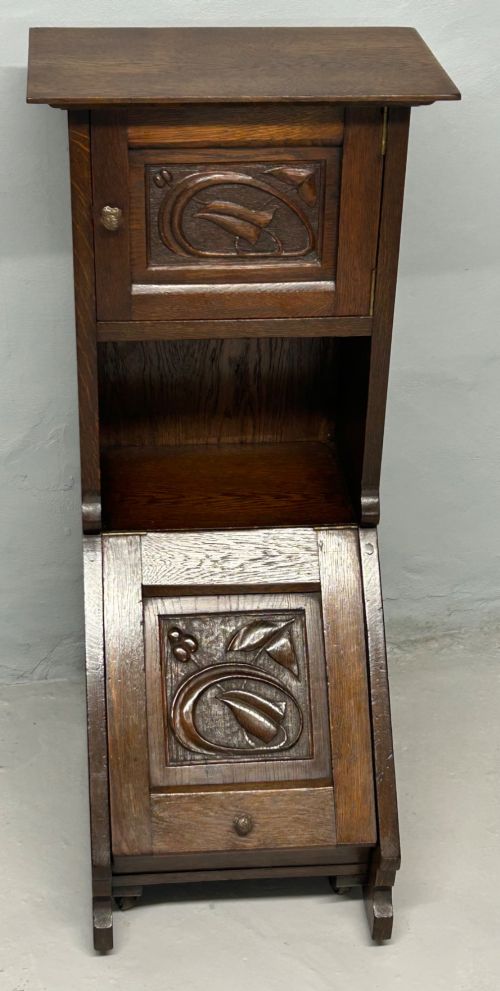
- A specialised domestic cabinet designed originally for coal storage, featuring a slanted front and a shovel compartment. Collectors repurpose them for compact organisation.
- Haberdashery cabinet
- A shop display or storage unit containing multiple shallow drawers with glass fronts. They provide optimal separation for small notions and craft items.
- Secessionist
- A stylistic offshoot of Art Nouveau associated with continental and British reform movements. It emphasises geometric austerity and stylised motifs.
Craft Storage Cabinet: Frequently Asked Questions
What defines a craft storage cabinet?
These pieces comprise sturdy wooden cupboards, chests of drawers, and specialised units designed to organise materials and implements.
Originating largely from the Victorian period through the nineteen-thirties, they prioritise functional compartments and durable construction.
How were these cabinets used originally?
Original functions varied from storing sheet music and sewing equipment to holding household linen and workshop supplies.
Many examples stem from Arts and Crafts ideals where utility and fitted interior space dictated the exterior form.
What woods should I look for?
Oak is the most common timber, appearing in golden, limed, and dark finishes across Arts and Crafts and early twentieth-century pieces.
Mahogany, walnut, and pine also appear frequently, offering alternative tones and weights depending on the period.
How do I identify an Arts and Crafts piece?
Look for honest construction, visible grain, minimal ornamentation, and thoughtful internal fittings such as custom shelving or drawers.
Hardware is typically solid brass or iron, often hand-beaten or patinated to complement the timber.