





Crackled Glaze Porcelain
Crackled glaze porcelain draws the eye through a deliberate web of fine fissures across the ceramic surface.
Crackled Glaze Porcelain
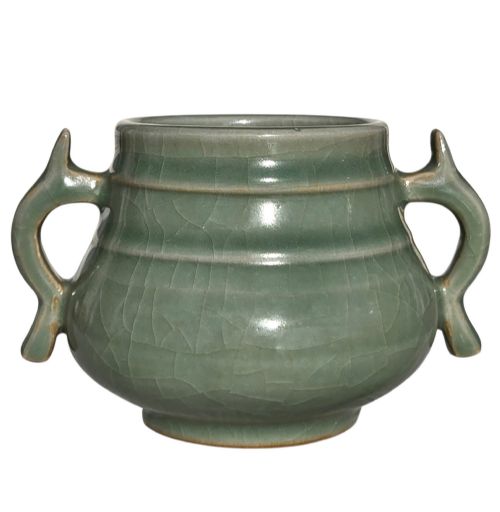
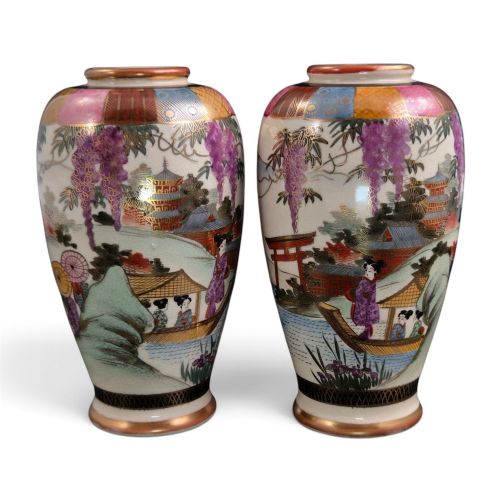
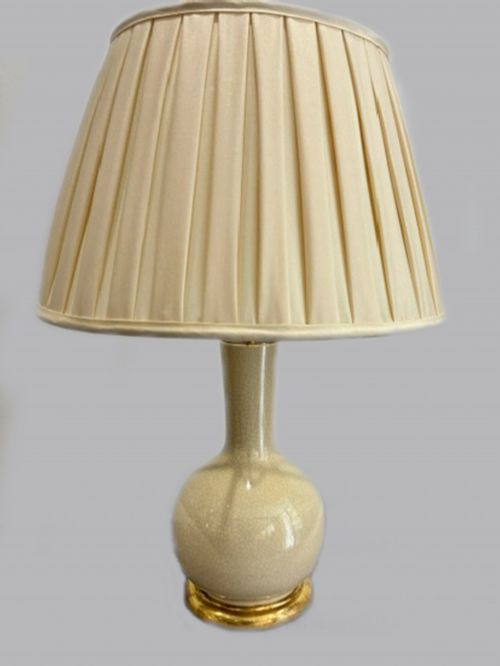
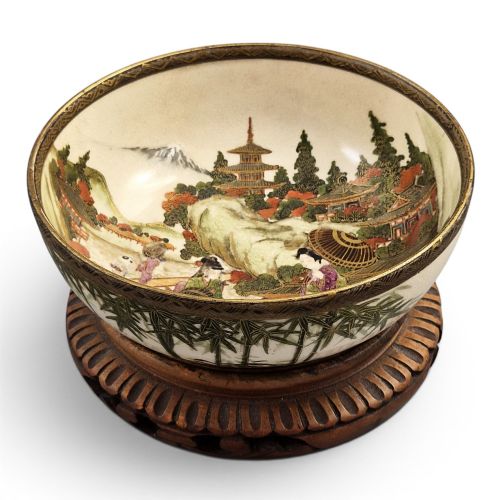
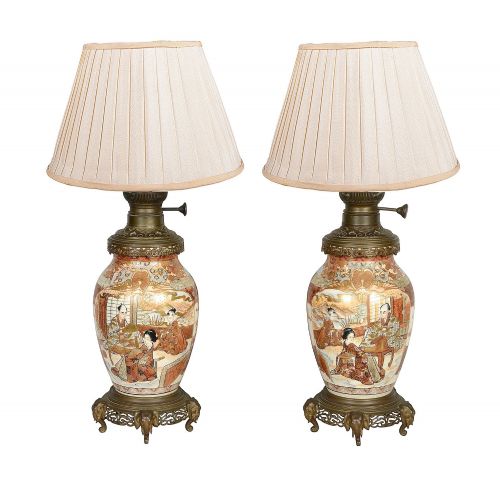
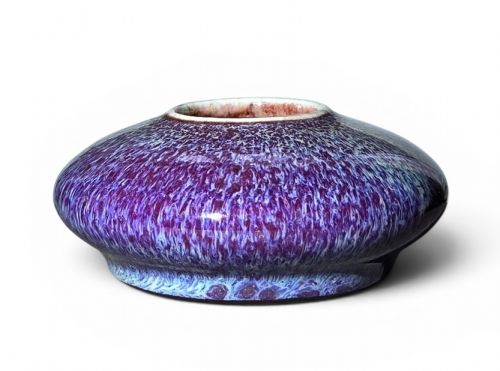
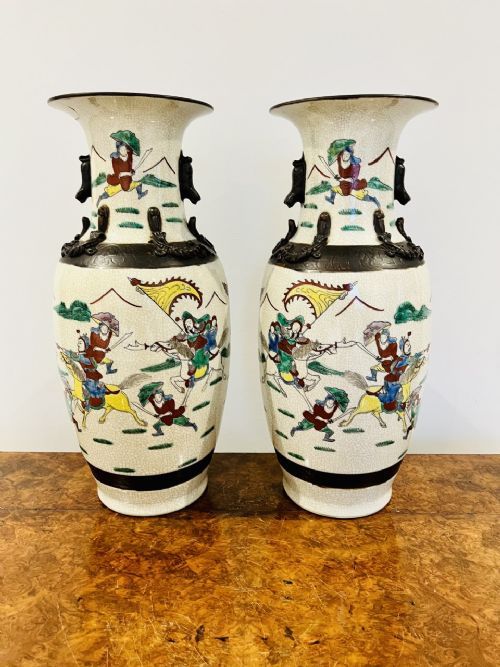
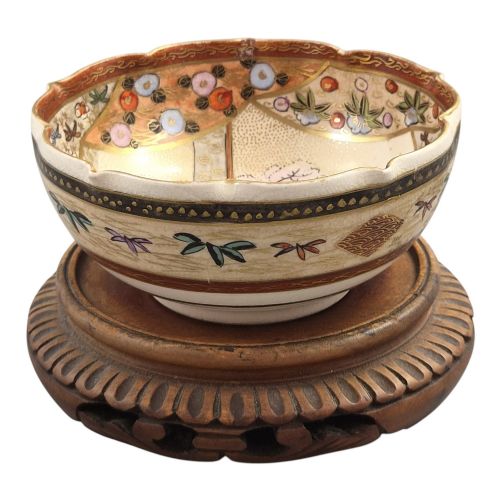
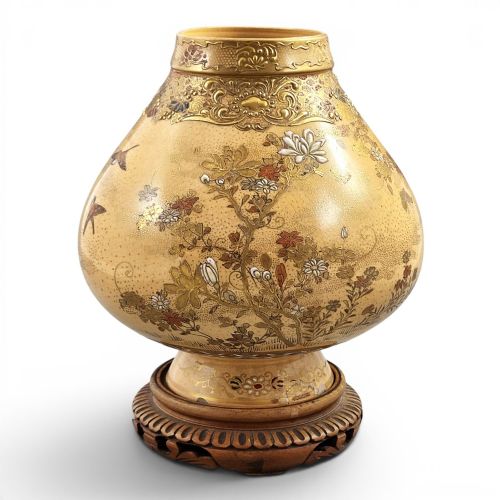
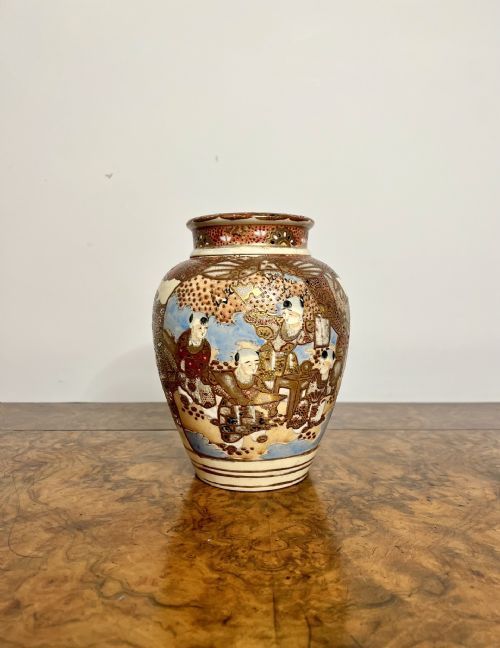
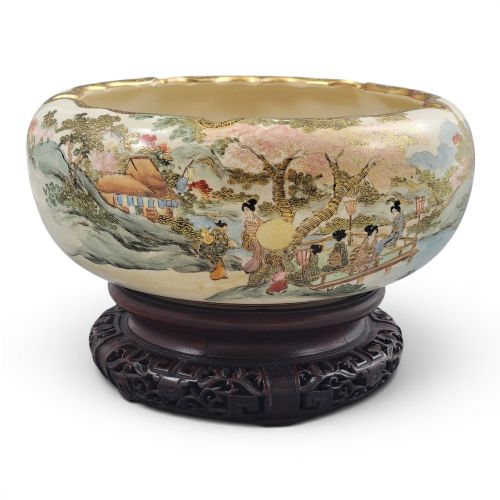
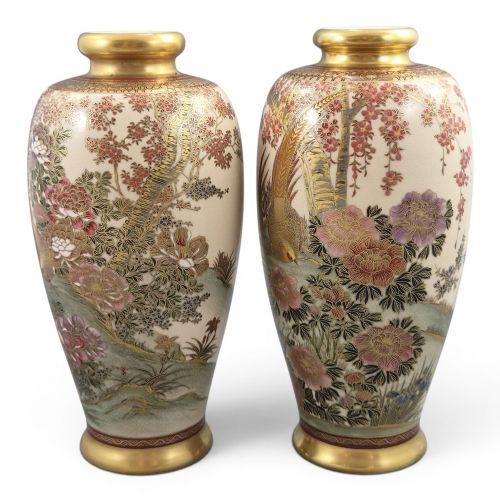
When you search for crackled glaze porcelain, you encounter pieces spanning the 18th century to the 1920s, with a strong representation of Japanese Satsuma wares from the Meiji period alongside Chinese ceramics. The forms range from vases and ginger jars to table lamps, decorative bowls, and brush washers. Most items on this page originate from Japanese and Chinese kilns, created during periods such as the Qing dynasty and the Meiji era.
Satsuma earthenware and porcelain form a major category here, often decorated with cobalt blue, enamel, and gold leaf depicting court figures or landscapes. Alongside these, you find Chinese crackle-ware vessels, including blue and white vases and celadon dishes. French and European pieces also appear, demonstrating how Western makers adopted traditional craquelure techniques for lamps and decorative objects.
Materials and construction
The characteristic crazed surface results from a controlled differential in the thermal contraction rates of the clay body and its glaze during firing. Potters utilise this tension to produce a network of hairline cracks, sometimes highlighting the pattern with dark staining agents to make the web distinct.
Decoration relies on ceramic pigments, enamel, and gold leaf applied over or under the glaze. Many Satsuma pieces incorporate raised moriage details, whilst mounted European lamps combine porcelain bodies with brass or ormolu fittings.
Crackled Glaze Porcelain Retail Price Guide 2026
Typical asking prices for crackled glaze porcelain among the pieces listed under this phrase on Sellingantiques today, from the lower quarter to the upper quarter. They describe what is for sale here now, not the wider market.
Ceramic pheasants and scholarly brush washers share shelf space with monumental vases, proving crackles suit birds just as well as emperors.
Assessing quality and execution
Quality rests on the control of the crackle pattern and the precision of the hand-painted decoration. Finer pieces display an even distribution of the glaze network rather than random structural flaws.
The finesse of the gilding and the detail in figural scenes separate standard production wares from pieces signed by notable workshops and masters. Master-painted bowls and vases maintain crisp brushwork across complex landscape and court processions.
Manpei·Kinkozan Workshop·Shizan·Ryuzan·Chosei·Tokyo Taizan·Hattori·Hayakawa
The Crackled Glaze Porcelain Glossary
- Craquelure
- The network of fine cracks intentionally created in the glaze of a ceramic piece. This effect mimics ancient pottery styles and varies from microscopic webs to wide fissures.
- Moriage
- A Japanese decorating technique using piped slip to build up raised surfaces on ceramics. Artisans often gild these raised areas to create a textured, opulent finish.
- Celadon
- A term for ceramics featuring a pale green jade-like glaze, often combined with a crackled surface. It has a long history in Chinese kilns.
- Satsuma
- Earthenware originating from Satsuma province in Japan, typically featuring an ivory-coloured, crackled glaze. These items are heavily decorated with enamels and gold leaf.
- Rakan
- Arhats or spiritual adepts depicted in Buddhist art, frequently appearing on Japanese tea jars and decorative panels. They are shown with distinct individual expressions.
Crackled Glaze Porcelain: Frequently Asked Questions
How do I identify Satsuma pottery?
Satsuma pieces generally feature an ivory-coloured earthenware body covered in a fine, discernible crackle glaze. They are traditionally decorated with intricate enamel work and generous amounts of gold leaf.
Many pieces carry signatures from Kyoto or Tokyo studios and workshops on the base. The subjects often include court figures, floral motifs, or landscapes.
Are the cracks in the glaze intentional?
Yes, the crackled effect is an intentional result of the firing process. Potters adjust the chemical composition of the glaze and the kiln temperature to cause this controlled crazing.
While originally seen as a flaw in early ceramic technology, potters later cultivated the technique for its aesthetic appeal. It adds depth and texture to the surface of vases and bowls.
What is Chinese crackle-ware?
Chinese crackle-ware refers to ceramics where the glaze develops a network of fissures during cooling. This style dates back centuries, with imperial kilns producing revered examples such as Guan and Ge wares.
Later Qing dynasty pieces and export items continued this tradition, applying the technique to blue and white vases, brush washers, and ginger jars.
How should I care for antique porcelain lamps?
Antique ceramic and porcelain lamps require gentle dusting with a soft, dry cloth. Avoid using liquid cleaners or abrasive materials that could harm the historic glaze or wear away the gilding.
Check the wiring periodically to ensure safety, as many older lamps have been converted or re-wired during the twentieth century. Handle the bodies carefully, supporting the base and any brass or ormolu mounts.