



Covered Porcelain Sugar Bowl
These covered porcelain sugar bowl pieces are domestic table vessels built to hold sweetener, combining useful ceramic design with period craftsmanship.
Covered Porcelain Sugar Bowl
A covered porcelain sugar bowl serves tea tables across the eighteenth and nineteenth centuries, often taking the form of a lidded box, sucrier, or pedestal bowl. These vessels hold loose sugar crystals or lumps within domestic dining settings.
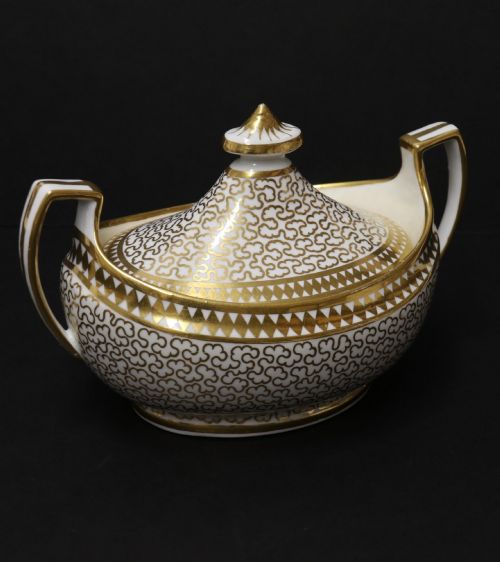
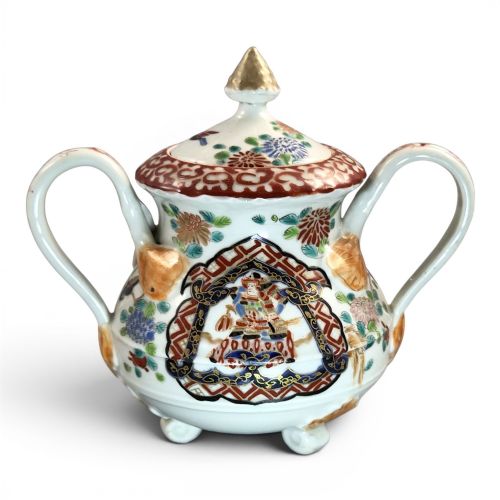
The pieces appearing on this page span the eighteenth and nineteenth centuries, including Regency, Georgian, and Victorian periods. Makers from English factories such as Worcester, Spode, and Chamberlains dominate the selection alongside continental and Japanese works.
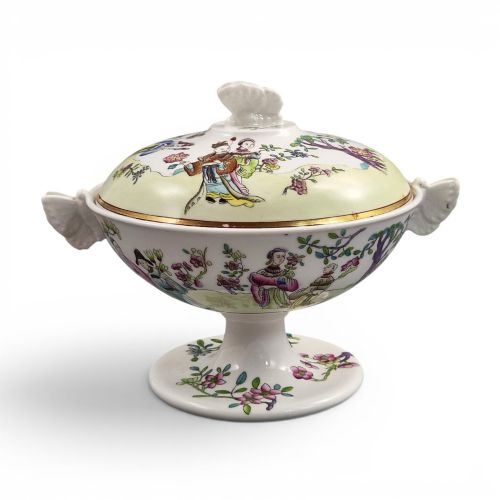
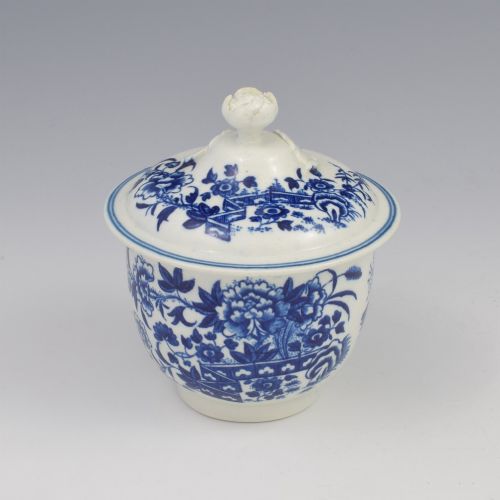
Forms vary from traditional sugar boxes to pedestal vessels and bonbonniere designs, incorporating matching lids to keep contents dry. Cobalt blue, polychrome enamels, and gilt highlights frequently decorate the porcelain bodies.
Materials and construction methods
Makers utilised soft-paste porcelain, felspar porcelain, and bone china as the primary ceramic bodies for these covered vessels. Lead glazes and enamel painting add surface decoration and vitreous sheen to the fired clay.
Gilding and gold leaf accents are applied by hand over the glaze to frame painted patterns like the Angouleme or Fence motifs. Potters shaped these pieces using wheel throwing and press moulding before kiln firing.
Covered Porcelain Sugar Bowl Retail Price Guide 2026
Typical asking prices for covered porcelain sugar bowl among the pieces listed under this phrase on Sellingantiques today, from the lower quarter to the upper quarter. They describe what is for sale here now, not the wider market.
Listings feature porcelain, enamel, gold leaf, and bone china across eighteenth and nineteenth-century periods.
Distinctions in manufacture and finish
Quality rests upon the fineness of the porcelain body and the precision of the hand-painted enamels. Early soft-paste bodies and delicate brushwork command attention for their artisan execution.
The crispness of moulded details, such as butterfly handles or pedestal stems, separates standard production from finer output. Intact gilding and well-fitting lids preserve the original integrity of each piece.
Spode·Chamberlains Worcester·Royal Crown Derby·Ridgway·Richard Ginori·Meissen·Coalport
The Covered Porcelain Sugar Bowl Glossary
- Sucrier
- A French term for a sugar basin or bowl, frequently fitted with a matching lid in ceramic table services.
- Soft-paste porcelain
- An artificial porcelain composition fired at lower temperatures than hard-paste, common in eighteenth-century English factories.
- Felspar porcelain
- A refined ceramic body developed in the nineteenth century using feldspathic rock to increase durability and whiteness.
- Imari
- A decorative style featuring rich underglaze blue and iron-red highlights, often enhanced with gold, originating from Japan and copied in Europe.
- Bonbonniere
- A small ornamental box or container designed for sweets or sugar confections.
Covered Porcelain Sugar Bowl: Frequently Asked Questions
How were covered porcelain sugar bowls used?
These vessels sat on tea tables to hold refined sugar lumps or loose grains before pre-formed cubes became common. Servants or hosts removed the matching lid to serve guests during afternoon tea.
Over time, changing dining habits shifted their role from active service pieces to decorative display objects within cabinet collections.
What is the difference between a sucrier and a sugar box?
A sucrier typically refers to European-style lidded vessels designed for sugar storage during tea service. Sugar box is an alternative term often applied to eighteenth-century English forms.
Both items serve the same domestic function and feature matching lids to protect the contents from moisture.
How do I date an antique porcelain sugar bowl?
Dating relies on factory marks, ceramic body composition, and stylistic painting details. Eighteenth-century pieces often use soft-paste porcelain, while nineteenth-century items frequently employ bone china or felspar porcelain.
Comparing pattern numbers and decorative motifs against factory records helps narrow the production window.
Are these sugar bowls safe for daily use?
While structurally sound, antique porcelain with hand-painted enamels and gold leaf requires gentle hand washing. Historic glazes can suffer from detergent wear or thermal shock.
Collectors generally treat these vessels as display pieces or store dry items rather than using them for wet foods.