




Covered Porcelain Soup Bowl
A covered porcelain soup bowl brings the grandest eighteenth and nineteenth-century dining tables straight to your sideboard.
Covered Porcelain Soup Bowl
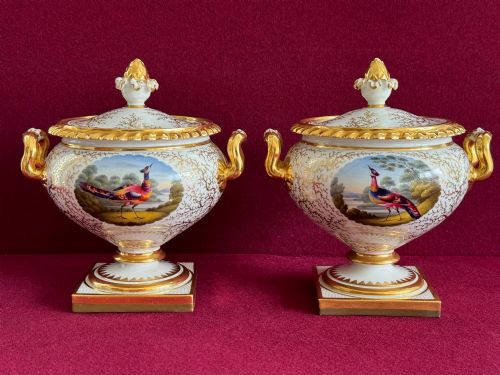
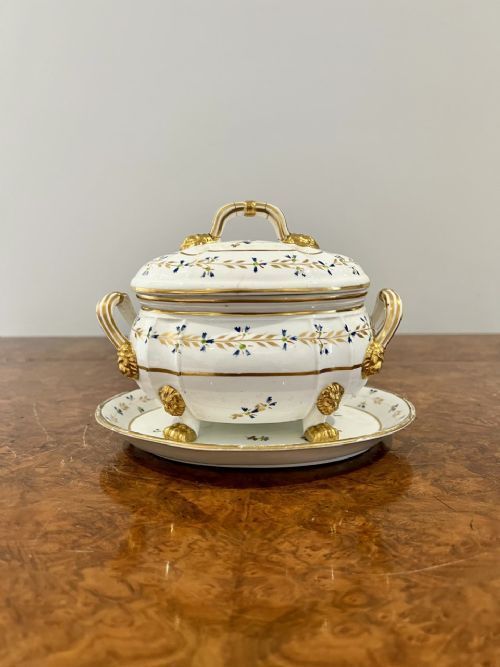
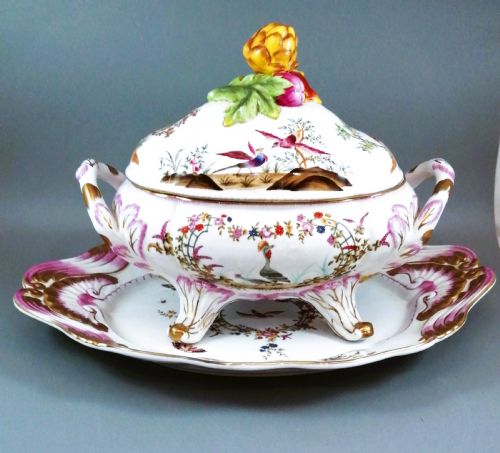
A covered porcelain soup bowl comprises a deep vessel designed for broth or soup, a matching lid to retain heat, and often a matching stand or undertray. The examples you encounter here span the eighteenth and nineteenth centuries, taking the form of tureens and lidded broth cups.
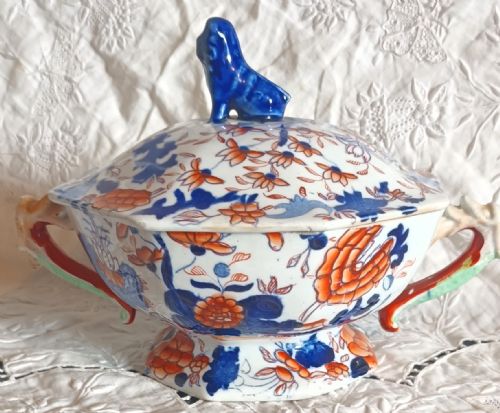
The origins vary widely across these listings, covering English factories, continental European makers, and Chinese export wares created for Western markets. You find distinctive regional interpretations, from English Ironstone and Derby porcelain to French Rococo revival pieces and Chinese blue and white ceramics.
Forms range from intimate individual broth cups with handles to large, commanding soup tureens intended for central table service. Many incorporate traditional decorative schemes such as Chinoiserie Mandarin patterns, Imari palettes, and elaborate gilt accents.
Materials and construction
Makers shaped these pieces from refined ceramic bodies, utilising porcelain, soft-paste porcelain, ironstone, and earthenware. Potters formed the substantial vessels either by hand-throwing on a wheel or by moulding complex shapes like cabbage tureens and handled broth cups.
Surface decoration relied on hand-applied enamel paints, intricate underglaze blue painting, and rich gold leaf detailing. Kiln firing fused these mineral pigments and protective glazes to the ceramic body, creating durable and glossy finishes.
Early Staffordshire potters occasionally turned soup containers into giant cabbages, proving dinner guests in the eighteen-nineties enjoyed a heavy side of botanical whimsy.
Assessing quality and execution
The standard of painting determines much of the visual success, separating hurried workshop production from meticulous hand-painted artistry. Fine brushwork in enamels and precise application of gilt highlights show the hand of a skilled decorator.
Proportion and crispness of moulding also dictate excellence, particularly in pieces with elaborate handles, relief-moulded foliage, or complex continental rococo curves. Well-preserved gilding and vibrant, stable enamel colours reflect careful historical storage and superior initial manufacture.
Mason's Ironstone·Crown Derby·Flight, Barr & Barr Worcester·Richard Ginori·Turner·Edm'e Samson
The Covered Porcelain Soup Bowl Glossary
- Tureen
- A large, deep vessel with a lid, designed for serving soups or stews at the dining table. These pieces frequently sit upon a matching ceramic stand or tray.
- Broth Cup
- A smaller lidded cup with side handles, historically used for serving individual portions of soup or broth in bed or during light meals. They often feature delicate porcelain construction and fine gilding.
- Ironstone
- A heavy, durable type of earthenware patented in the nineteenth century to imitate true porcelain. It offered high resistance to chipping while accepting rich transfer-printed and hand-painted decorations.
- Chinoiserie
- European artistic imitation and interpretation of Chinese and East Asian artistic traditions. This style appears frequently on early nineteenth-century ceramics through mandarin figures and exotic garden scenes.
- Imari
- A decorative style originating in Japan and later copied by European factories, characterised by a palette of underglaze blue, iron red, and abundant gilt highlights.
Covered Porcelain Soup Bowl: Frequently Asked Questions
How do I use a covered porcelain soup bowl today?
These pieces function wonderfully as striking centrepieces on a dining table, sideboard, or open shelving unit. You can still utilise them to serve soups, stews, or side dishes during formal meals.
Because of their age and delicate painted surfaces, hand washing is essential. Avoid thermal shock by not pouring boiling liquids directly into cold vessels.
How do I date an antique porcelain tureen?
Dating relies on examining the factory marks stamped or painted on the base, combined with stylistic clues like glaze texture and decorative motifs. Eighteenth-century pieces often show softer paste bodies and hand-potted irregularities.
Nineteenth-century examples frequently utilise heavier ironstone or crisper porcelain bodies with transfer-printed or more standardised enamel patterns. Comparing the shape to documented regional styles helps narrow the decade of production.
Are ironstone tureens durable?
Mason's Ironstone and similar nineteenth-century earthenwares were specifically engineered to withstand heavy household use. The dense ceramic body resists chipping much better than softer contemporary porcelains.
Despite this historical durability, antique pieces require gentle handling to protect fragile painted enamels, delicate gilt edges, and protruding handles from accidental impact.