

Countryside Artwork
These countryside artwork pieces capture pastoral scenes and rural life through various painting mediums, offering buyers a connection to historical landscapes.
Countryside Artwork
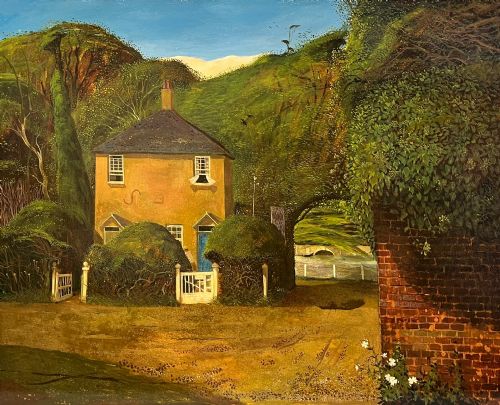
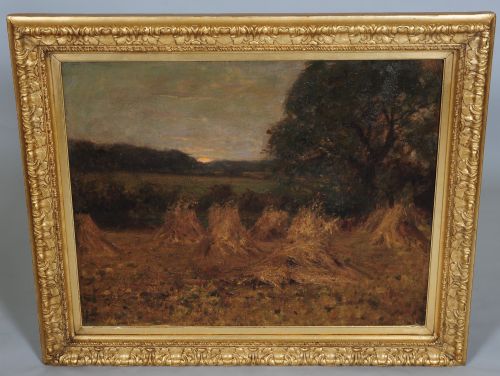
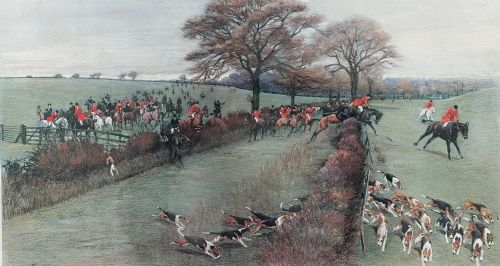
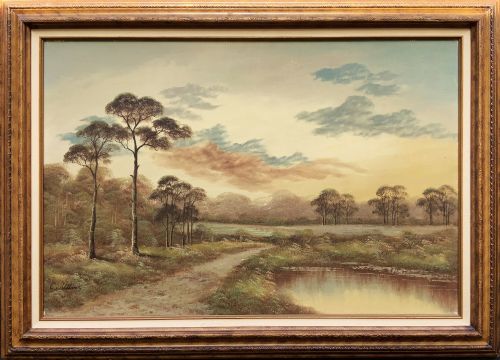
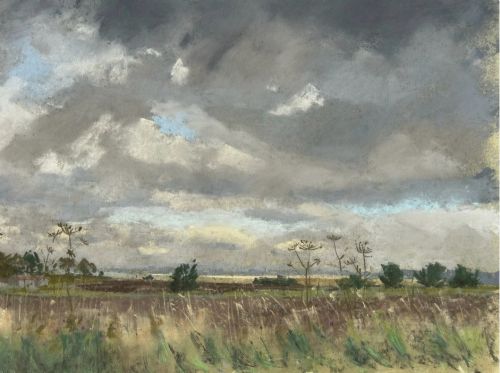
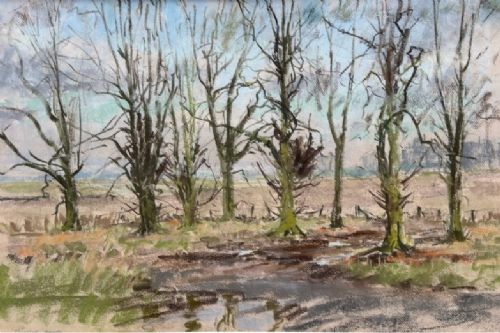
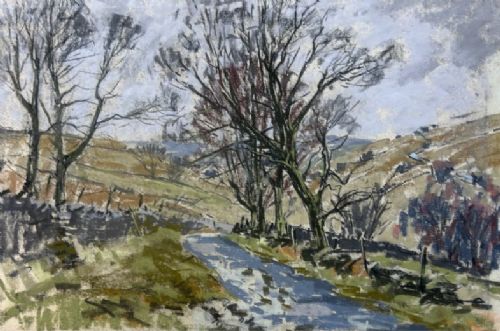
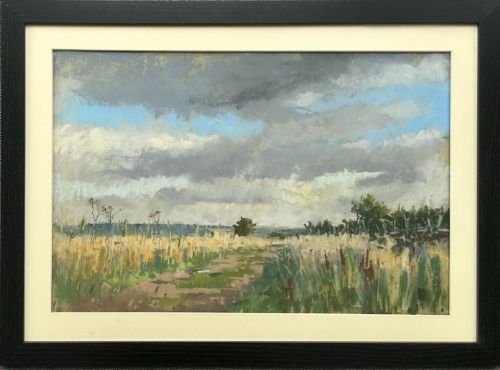
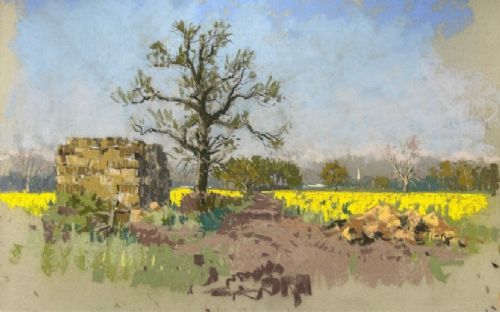
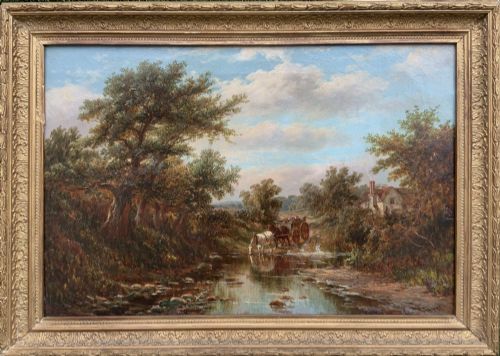
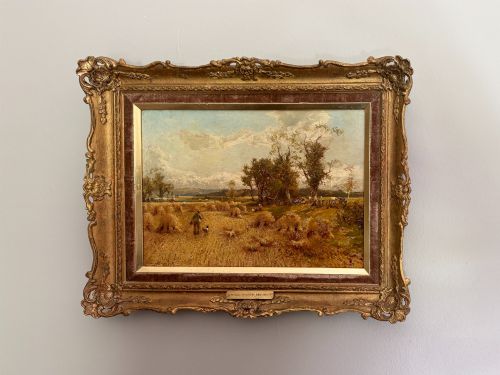
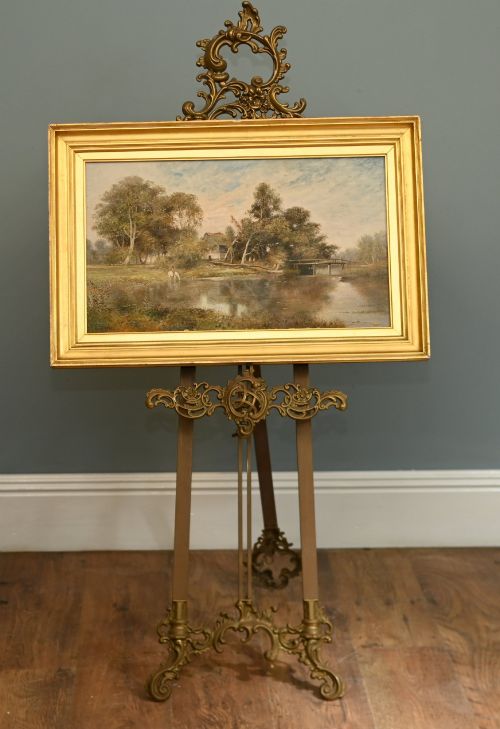
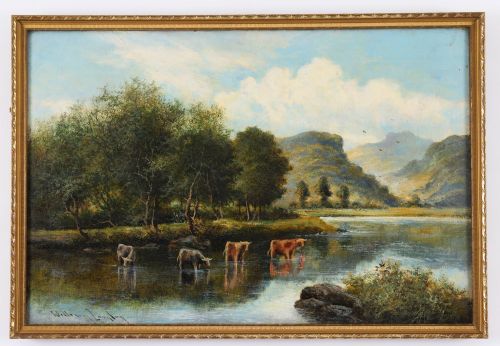
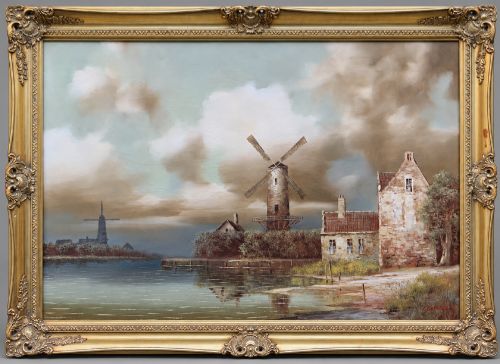
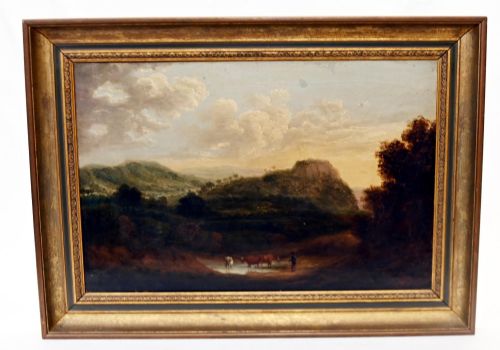
Countryside artwork encompasses pastoral scenes, rural landscapes, river views, and agricultural life rendered across multiple historical periods. When searching this phrase, buyers encounter everything from detailed Victorian oil paintings to mid-century pastels and watercolours.
The pieces on this page originate predominantly from the nineteenth and twentieth centuries, reflecting changing British and European artistic interpretations of rural environments. Works range from intimate watercolour sketches to large framed canvas compositions depicting cattle, woodlands, and village settings.
Materials and Technique
Artists create these countryside artwork items using oil paint on canvas or wooden board, alongside watercolour and pastel on paper. The application of oil paint allows for rich texture and depth, particularly when building up foliage, water, and skies.
Many of these works are housed in period frames constructed from wood, gesso, and gilt, which complement the traditional compositions. Support materials such as heavy canvas and sturdy paper boards ensure the longevity of these rural scenes.
Countryside Artwork Retail Price Guide 2026
Typical asking prices for countryside artwork among the pieces listed under this phrase on Sellingantiques today, from the lower quarter to the upper quarter. They describe what is for sale here now, not the wider market.
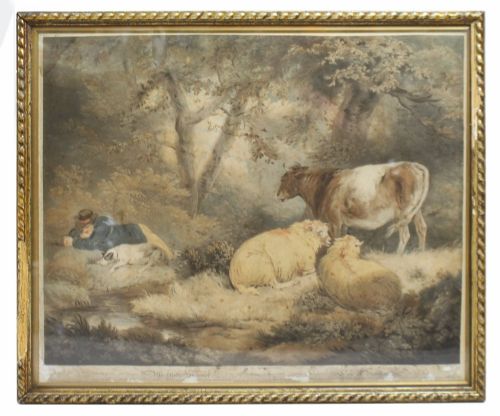
Cows appear with surprising frequency across these rural pastures, quietly supervising centuries of British agricultural art.
Assessing Quality
The distinction between standard and superior examples of countryside artwork rests upon the artist's handling of light, atmospheric perspective, and natural detail. Masterful brushwork brings vitality to foliage and water, whereas lesser pieces rely on rigid formulas.
Condition of the medium and the originality of the frame also influence overall quality. Well-preserved surfaces without excessive retouching maintain the intended visual impact of the original composition.
Angus Rands·Robert Buchan Nisbet·William Langley·Samuel Joseph Clark·Edward Holmes RBA·William Manners·E Steele·F Staple·Thomas Thomas·Edward Williams·William H Myers·Frederick Marriott·Arthur Wardle·William Joseph Shayer Senior·Herbert Royle·Robert Morson Hughes·Thomas Barker of Bath·Gabriel Mathieu·David Bates·Muriel Metcalfe·Lucy Pratt·Raymond Booth·Harald Foss·Frederick Walker·Eric Brown
The Countryside Artwork Glossary
- Oil on canvas
- Pigment suspended in drying oil applied to a woven fabric stretched across a wooden frame. This combination provides a durable and textured surface favoured by landscape painters.
- Pastel drawing
- An artwork created using dry pigment sticks pressed onto paper or board. It produces soft, velvety colours ideal for capturing subtle atmospheric changes in rural views.
- Watercolour painting
- Pigments suspended in a water-soluble vehicle applied to paper. This technique yields translucent washes that lend lightness to skies and rivers.
- Gesso
- A plaster-like mixture applied to wood or canvas as a base for painting or moulding into decorative frames. It creates a smooth, absorbent foundation for gilding.
- Gilt wood
- Wood coated with a thin layer of gold leaf or metallic paint. It frames historical artworks with a warm, reflective border.
Countryside Artwork: Frequently Asked Questions
What periods do these paintings cover?
The inventory spans the nineteenth and twentieth centuries, including Victorian works alongside mid-century pieces from the 1920s to the 1960s.
This broad chronological spread allows collectors to select pieces from specific artistic movements such as British Impressionism and Victorian Realism.
How should I care for an antique oil painting?
Keep the artwork away from direct sunlight and fluctuating humidity levels to protect the canvas and the underlying wood structure.
Dust the surface gently with a soft, dry brush and avoid using liquid cleaners on the paint or the gilt frame.
What subjects are most common in these rural scenes?
Common subjects include river landscapes, agricultural harvest times, cattle in woodland settings, and pastoral views with figures.
Artists frequently documented specific British and European locales, from the Lake District to Yorkshire and the River Thames.