


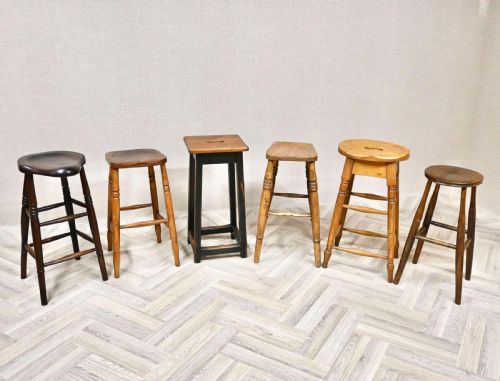
Country Wooden High Chair
A country wooden high chair brings sturdy rural craftsmanship and elevated seating into domestic spaces.
Country Wooden High Chair
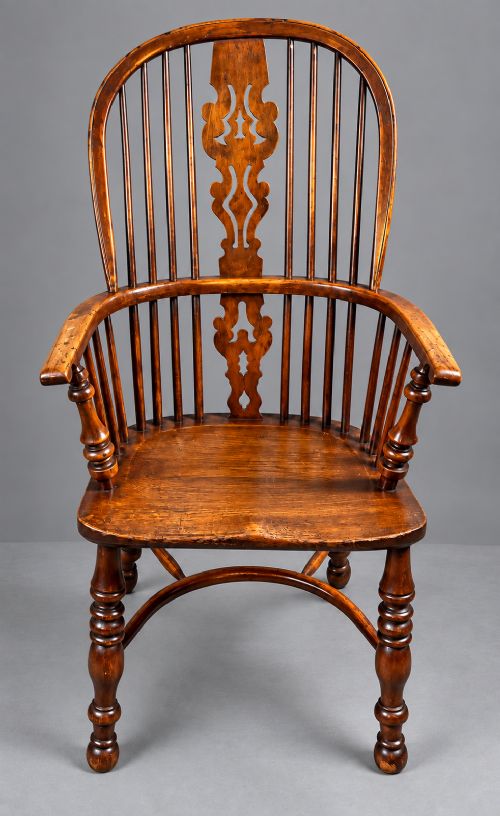
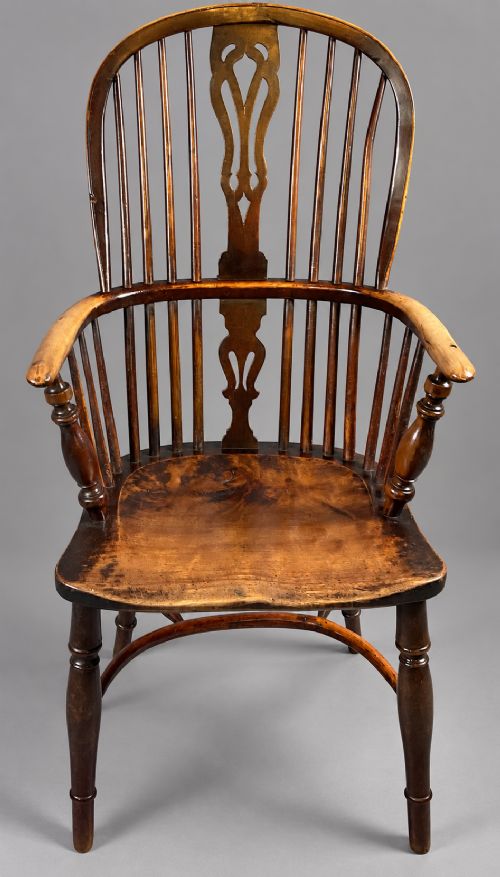
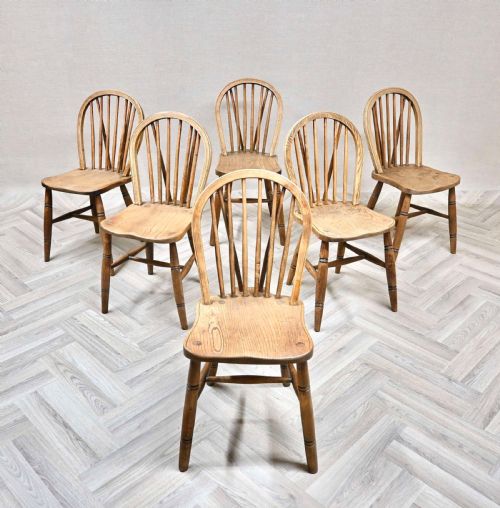
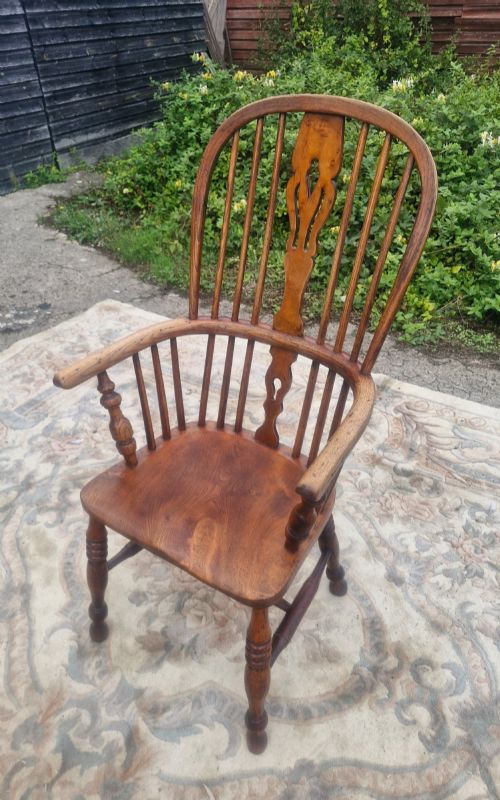
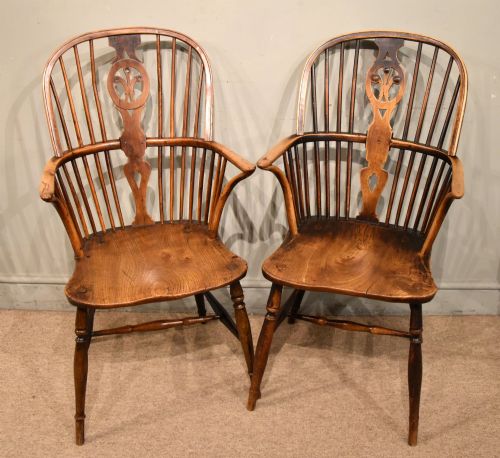
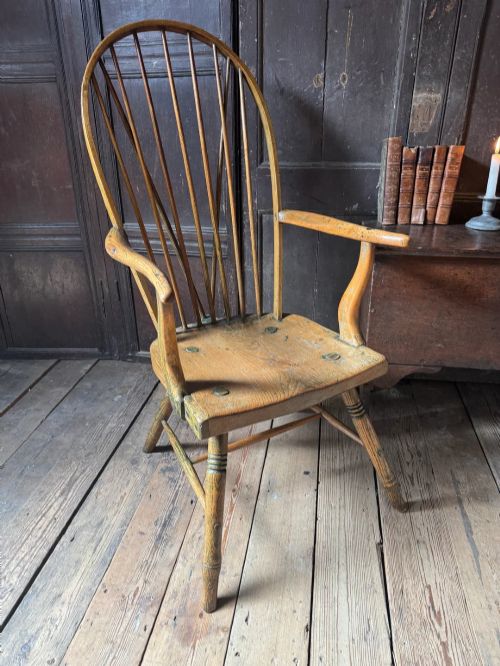
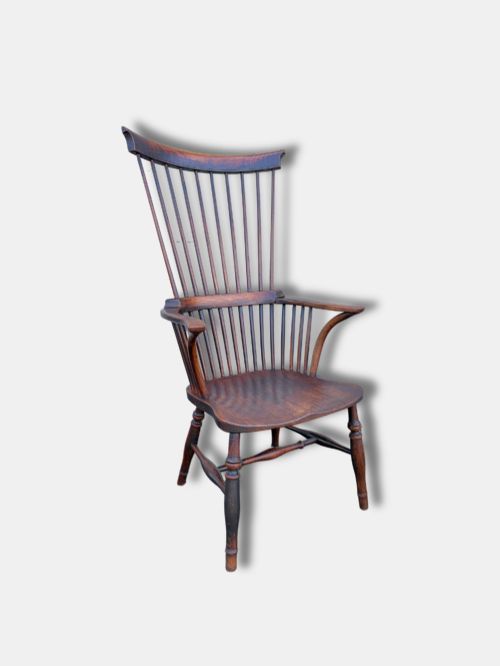
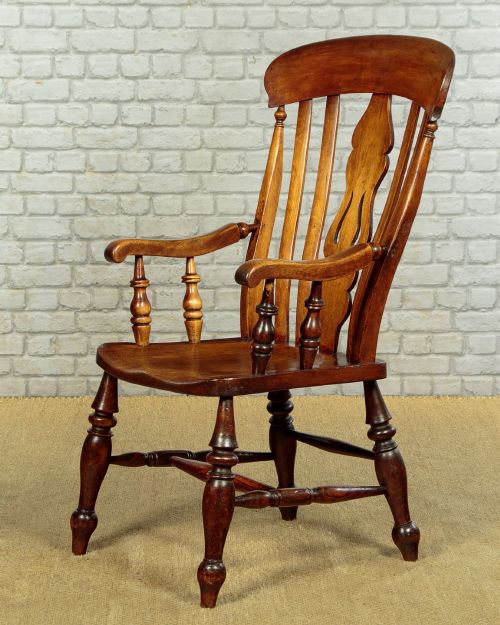
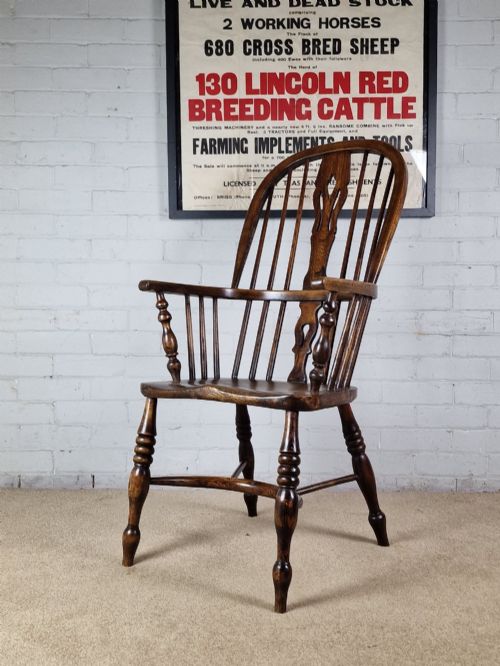
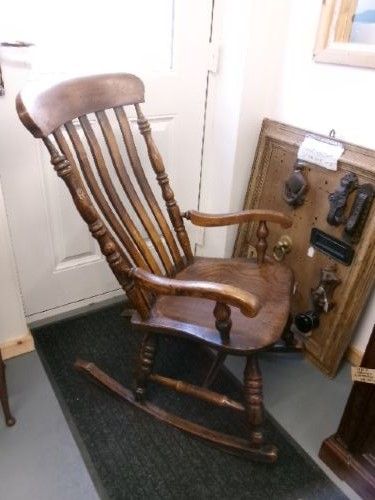
A country wooden high chair represents the domestic vernacular seating found in rural homes across several centuries. These pieces encompass high chairs alongside high back Windsor armchairs, comb backs, and hoop backs dating from the eighteenth century through the Edwardian period.
The version most commonly encountered on this page is the high back Windsor armchair, constructed from native timbers with sturdy spindles and substantial seats. Makers across English regions including the Thames Valley, Yorkshire, and Lincolnshire produced these functional seats for everyday use.
Materials and Construction
These chairs rely on a combination of timbers selected for their specific mechanical properties, pairing elm seats with ash, yew, beech, fruitwood, or oak for the spindles, legs, and bentwood backs. Elm provides a tough, interlocking grain for the solid saddle seat that resists splitting when the legs and back are wedged into place.
Construction techniques involve bodging and turning, where green wood is shaped on pole lathes and assembled using traditional wedged mortise and tenon joints. Windsor forms utilise steam-bent hoops and comb backs fixed directly into the heavy wooden seat block.
Elm seats were left thick because the wood's twisty grain laughs at ordinary attempts to split it.
Distinctions in Quality
Quality rests upon the choice of timber and the sophistication of the turning in the undercarriage legs and spindles. Pieces utilising figured yew or substantial elm display greater visual depth and structural integrity than simpler utility versions.
Proportion and the grace of the bentwood bow separate standard regional workshop output from finer vernacular examples. Well-defined comb backs and balanced hoop structures indicate a maker with advanced skill in managing timber shrinkage and tension.
The Country Wooden High Chair Glossary
- Windsor chair
- A chair built with a solid wooden seat into which the back and legs are dowelled directly. This form relies on the strength of the thick seat block to hold the independent stick legs and upper spindles.
- Comb back
- A Windsor chair variation featuring a low back topped by a horizontal headboard resembling a hair comb. Vertical spindles rise through the seat to support this upper crest.
- Hoop back
- A Windsor chair design where a single continuous piece of steam-bent wood forms the back and arm rail. This curved member is secured into the solid wooden seat.
- Saddle seat
- A thick wooden seat base shaped with hollows and dips for comfort. Elm is frequently utilised for this component due to its resistance to splitting.
- Vernacular furniture
- Domestic objects made by regional craftsmen rather than urban cabinetmakers. These pieces follow local traditions and utilise readily available native woods.
Country Wooden High Chair: Frequently Asked Questions
What is a country wooden high chair?
A country wooden high chair is a historic child's seating piece constructed by regional vernacular makers from native timbers.
These pieces typically feature spindle backs and solid wooden seats elevated on sturdy legs for domestic use.
How do I date a Windsor chair?
Dating relies on examining the construction methods, tool marks, timber combinations, and overall form evolution from the Georgian era onward.
Earlier examples often display comb backs and native yew or elm woods, while later Victorian versions tend to show heavier turned components.
What woods were used?
Craftsmen utilised native British hardwoods that grew abundantly in local woodlands and hedgerows.
Elm was chosen for seats because it resists splitting, while ash, beech, yew, and fruitwood provided strength for spindles and bentwood frames.
Where were these chairs made?
Production occurred across rural English regions including the Thames Valley, Yorkshire, Lincolnshire, and West Country workshops.
Local bodgers shaped components in the woods before urban and rural chairmakers assembled the final pieces.