

Country Wall Rack
A country wall rack brings honest utility and warmth to a kitchen or hall, offering open storage rooted in centuries of domestic life.
Country Wall Rack
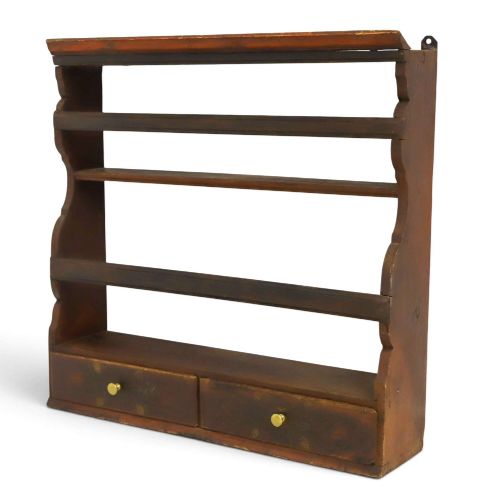
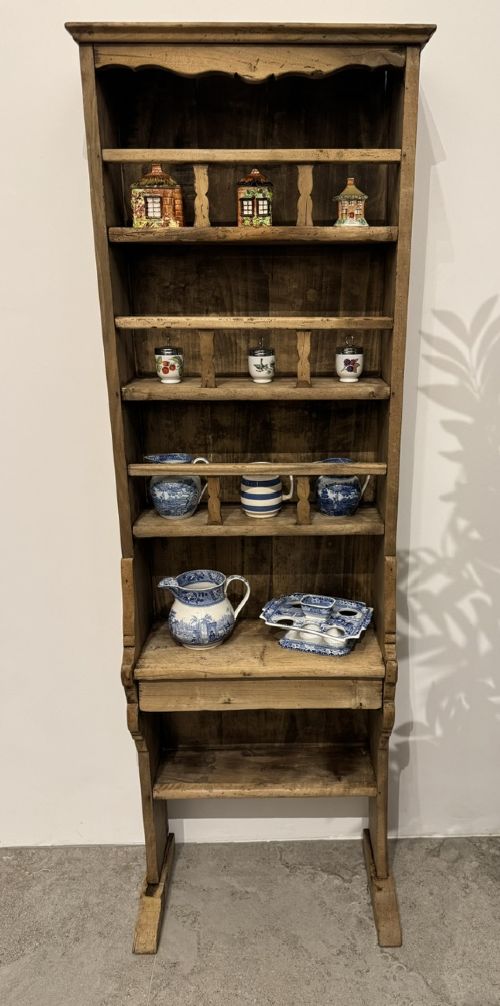
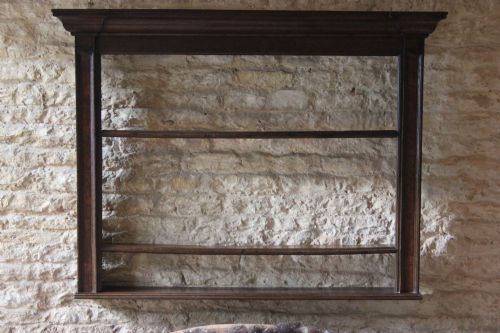
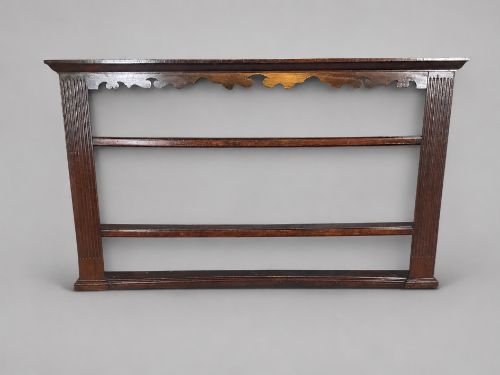
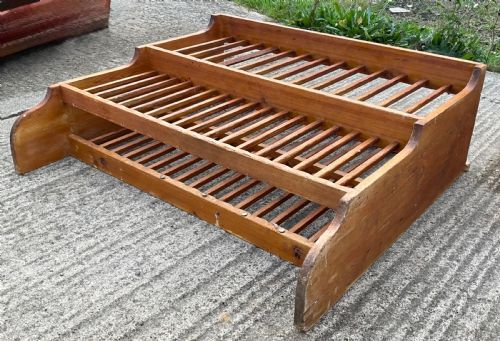
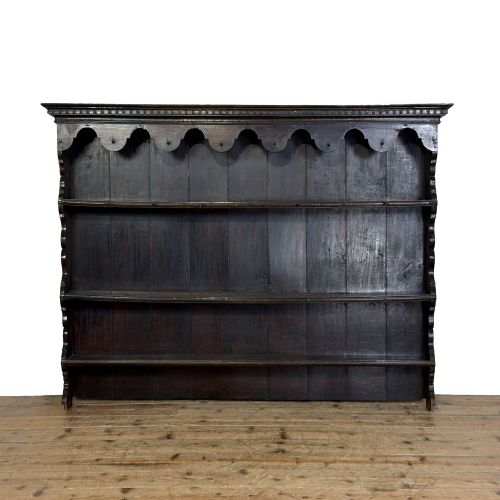
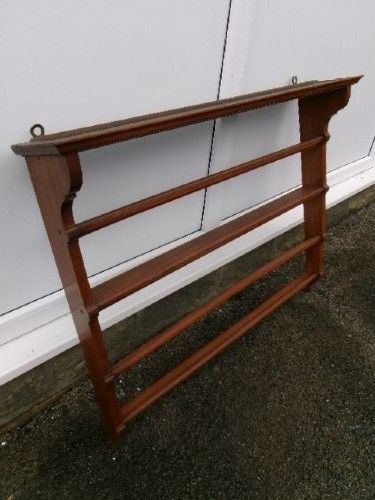
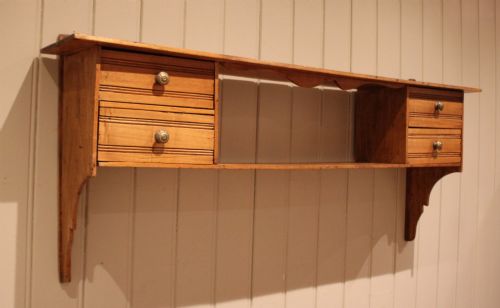
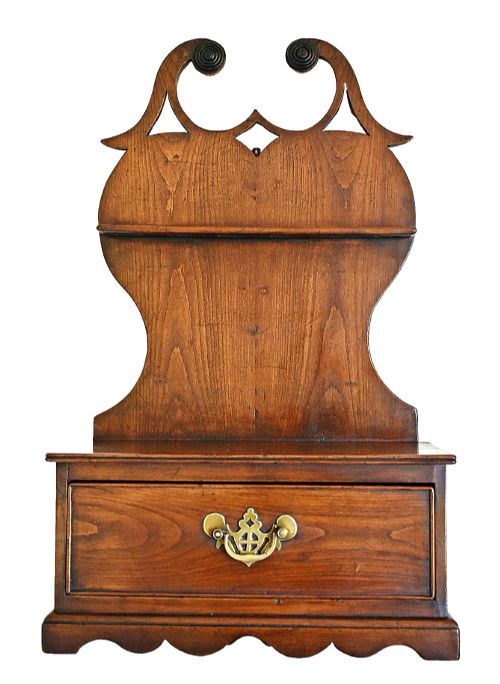
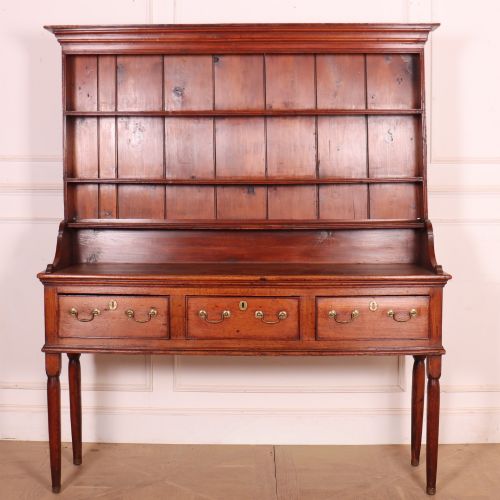
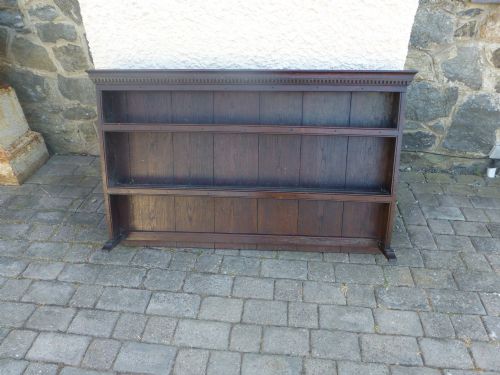
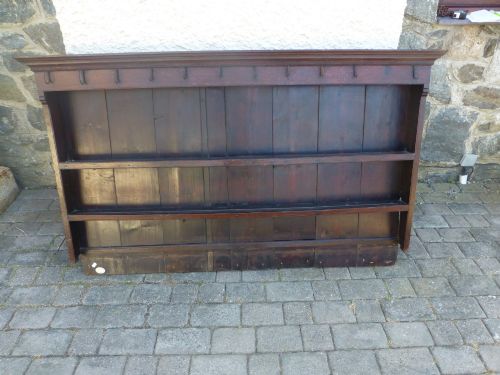
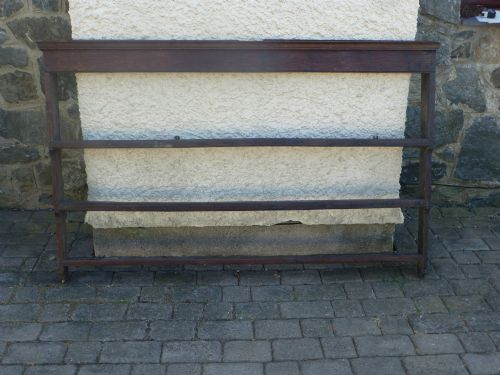
A country wall rack serves as a practical timber fixture designed for mounting on domestic walls to hold plates, spoons, coats, or books. Buyers searching for a country wall rack encounter diverse forms ranging from traditional oak plate racks and spoon racks with lower drawers to pine dressers, open bookcases, and hall stands.
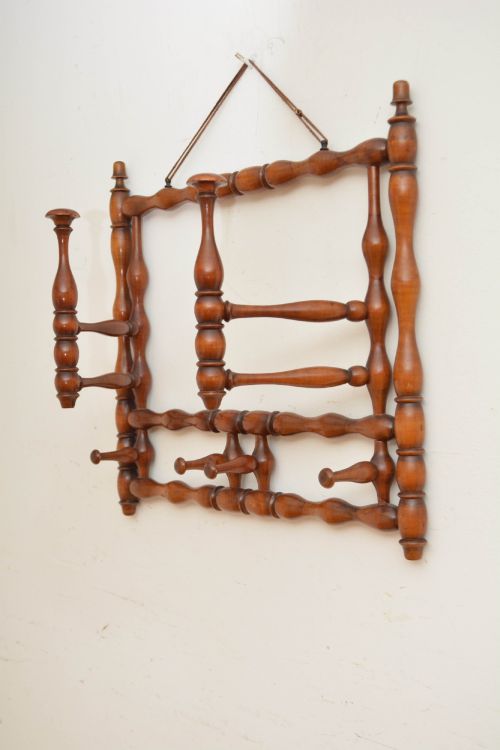
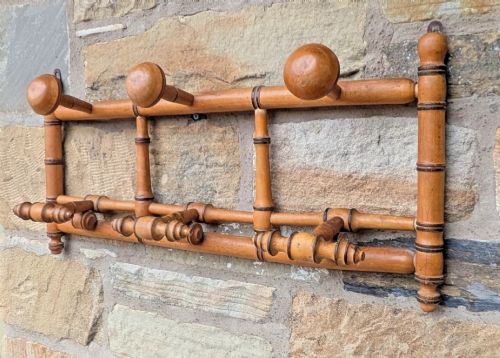
The pieces appearing on this page span several centuries and regional traditions, moving from eighteenth-century English oak and Georgian delft racks to nineteenth-century pine shelving, Victorian kitchen hook racks, and French bobbin or faux bamboo coat hangers from around nineteen hundred. Oak and pine dominate the selection, often taking straightforward forms shaped by regional workshops in England, Wales, and France.
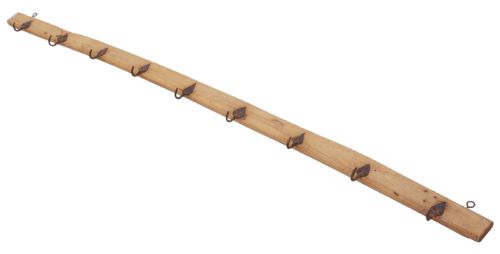
Plate racks and wall shelves intended for kitchens appear alongside specialised organizers like spoon racks featuring pewter spoons, game hook racks, and coat racks fitted with brass or swivelling hooks. These wall-hung furnishings reflect the changing requirements of domestic storage over successive eras, preserving utilitarian functions within decorative rustic profiles.
Materials and construction
Makers relied principally on solid oak and pine, choosing timbers that offered structural strength and durability for daily domestic use. Oak frequently formed eighteenth-century delft racks, spoon racks, and dresser plates, while softer pine underpinned nineteenth-century kitchen shelves, bookcases, and painted wall units.
Joinery methods prioritized straightforward utility, utilising pegged joints, dovetailed drawers, and turned wooden elements like bobbin mouldings or applied Corinthian columns. Iron game hooks, brass coat hooks, and turned wood components added specialised function to the wooden backboards and shelving structures.
Surfaces exhibit a mix of natural patinated timber, waxed finishes, and historic painted treatments including hand-painted schemes and specific heritage colours. French variations introduced cleft hazel, simulated bamboo turning, and mahogany veneers on waterfall shelves and display units.
Country Wall Rack Retail Price Guide 2026
Typical asking prices for country wall rack among the pieces listed under this phrase on Sellingantiques today, from the lower quarter to the upper quarter. They describe what is for sale here now, not the wider market.
Assessing quality and character
Quality rests in the integrity of the timber and the honesty of the construction, where period-appropriate joinery and original surface patination outweigh decorative excess. Examples retaining their initial wall-mounting configuration, original brass or iron hooks, and untouched backboards carry greater authenticity.
Finer pieces demonstrate considered proportions and thoughtful regional details, such as carved mouldings, inlaid accents, or integrated lower drawers with intact runners. The harmony between the primary shelving structure and secondary elements like plate rails or spoon notches distinguishes standard utilitarian items from exceptional vernacular examples.
The Country Wall Rack Glossary
- Delft rack
- A wall-mounted wooden shelving unit specifically designed with narrow grooves or retaining rails to display tin-glazed earthenware plates upright.
- Spoon rack
- A compact wall fixture featuring notched wooden bars or vertical slots intended to hold eating spoons securely by their handles.
- Bobbin moulding
- Turned woodwork characterised by a series of rounded spheres or bobbins resembling a textile bobbin, popular on nineteenth-century French frames.
- Game hook
- A metal hook attached to a wooden rack, historically utilised in kitchens for hanging game birds or meat.
- Trefid spoon
- An early form of spoon featuring a flattened, three-lobed terminal handle, frequently associated with seventeenth and eighteenth-century examples.
Country Wall Rack: Frequently Asked Questions
What is a country wall rack used for?
These wall-mounted fixtures provided essential storage in historic kitchens and hallways, holding ceramic plates, eating utensils, or outdoor garments within easy reach. They kept daily household items organised and accessible in homes with limited floor space.
Today, they serve a similar practical purpose while adding rustic warmth to modern interiors. You can utilise them in kitchens for dishware, in hallways for coats, or in living spaces to display books and decorative objects.
How do I date an antique wall rack?
Dating relies on examining the timber species, construction methods, and hardware choices visible on the piece. Eighteenth-century examples typically feature heavy oak construction with hand-cut joinery, while nineteenth-century pieces more commonly utilise pine and machine-sawn elements.
Stylistic markers also help determine age, such as Georgian proportions, Victorian painted finishes, or turn-of-the-century French bobbin details. Comparing the hardware, including iron hooks or brass fixtures, provides further clues to the period of manufacture.
Can these racks support heavy items?
Most historic racks were built from solid hardwoods like oak or sturdy pine, making them structurally robust for domestic duty. Plate racks and bookshelf units handled the weight of ceramics and volumes during their original working lives.
When hanging an antique rack today, ensure the weight is properly distributed and secured into wall studs or appropriate masonry anchors. The inherent strength depends on the soundness of the original backboard and mounting points.
Are painted finishes on these racks original?
Painted surfaces vary across these pieces, encompassing early decorative schemes, nineteenth-century kitchen paint layers, and later heritage colour applications. Some items retain their historic paint, while others show traces of successive decorative treatments.
Evaluating the paint involves looking for natural wear patterns, craquelure, and integration with the underlying timber. Untouched historic finishes contribute significantly to the character and authenticity of country furniture.