




Country Pottery Dish
These country pottery dish selections bring tactile domestic history to your table, offering everyday utility shaped by regional hands centuries ago.
Country Pottery Dish
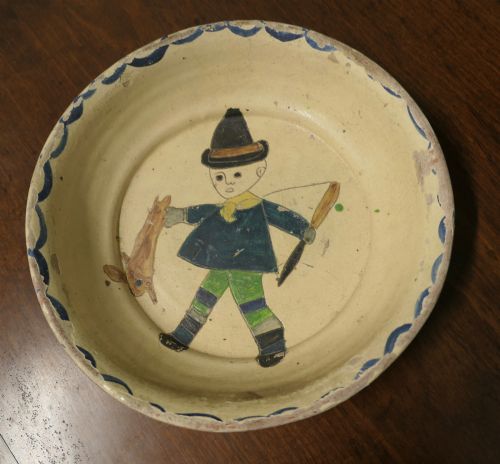
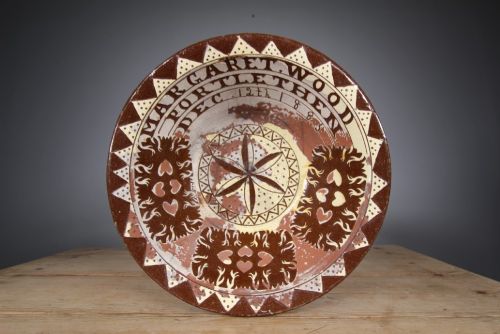
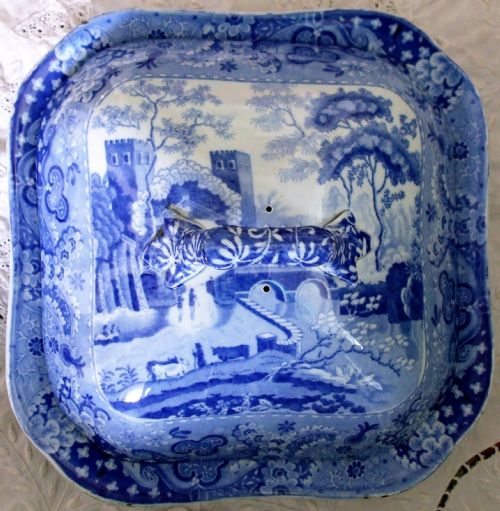
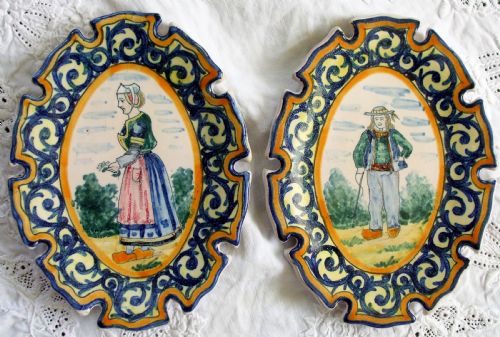
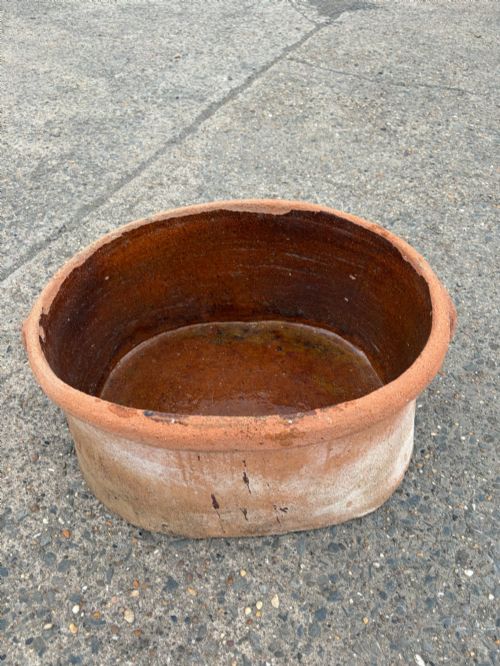
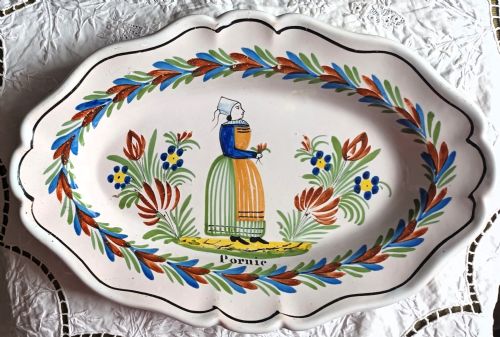
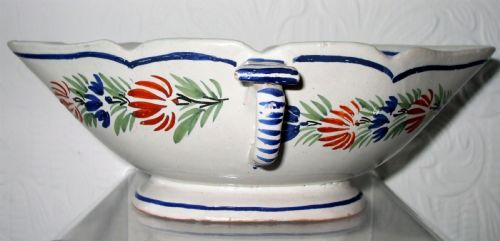
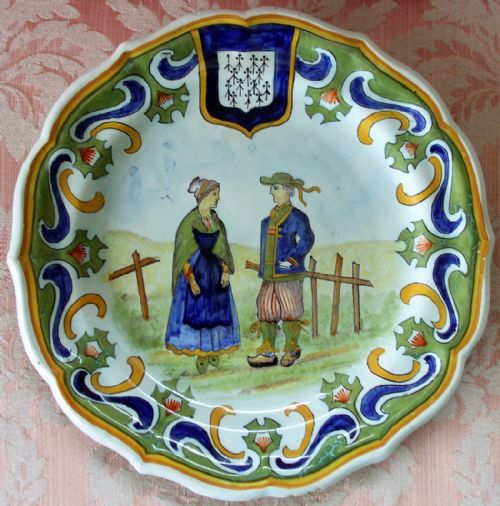
The versions most frequently met on this page include French provincial faience pieces from Quimper and Desvres, alongside English blue and white transfer plates and regional slipware bowls. These objects carry the distinct character of local potteries rather than uniform industrial output, showing variations in glaze and form that reflect their origins.
Forms span from large washing bowls and cooking dishes down to small pin trays and tureens, each serving a practical role in past households. Their survival demonstrates the robust nature of earthenware and stoneware designed for daily use in kitchens and dining rooms.
How they were made
The construction of these pieces relies primarily on earthenware, terracotta, and stoneware bodies shaped by hand or on a wheel before receiving a protective coating. Potters applied lead glaze, tin glaze, or simple slip to seal the porous clay and provide a smooth surface for domestic service.
Decoration often involved blue and white transfer printing on English earthenware or hand-painted motifs on French faience and spongeware surfaces. These techniques required precise kiln firing to fix the glaze and pigments, resulting in durable finishes suited to kitchen and table tasks.
Country Pottery Dish Retail Price Guide 2026
Typical asking prices for country pottery dish among the pieces listed under this phrase on Sellingantiques today, from the lower quarter to the upper quarter. They describe what is for sale here now, not the wider market.
Listings feature earthenware, stoneware, and terracotta forms produced during the 19th century and the Georgian era.
What varies in quality
Quality in these domestic wares rests upon the clarity of the transfer print or the skill of the hand-painted brushwork applied to the surface. Crisper details in patterns like the castle, cowman, or tower designs indicate superior execution by established potters.
The depth and consistency of the lead or tin glaze also distinguish finer items, along with the evenness of the clay body during firing. Superior pieces maintain their structural integrity and decorative appeal despite centuries of practical service.
J. & R. Clews·Pettys & Co. Leeds·John Rogers & Son·John Davenport·Mann & Co
The Country Pottery Dish Glossary
- Faience
- Tin-glazed earthenware originating in Europe, known for its opaque white surface and painted decoration. It is frequently associated with French regional workshops.
- Slipware
- Pottery decorated with slip, a liquid clay mixture, applied to the unglazed body before firing. This technique creates contrasting surface patterns and tactile lines.
- Transferware
- Ceramic pieces decorated by transferring a printed design from an engraved copper plate onto the pottery surface. This method allowed intricate blue and white pictorial scenes.
- Spongeware
- Earthenware decorated by dabbing pigment onto the surface with a sponge or similar tool, creating a mottled pattern. This technique produced robust, patterned domestic vessels.
- Terracotta
- Unglazed or clear-glazed fired clay of a brownish-red colour. It was commonly utilised for functional kitchenalia and utilitarian vessels.
Country Pottery Dish: Frequently Asked Questions
How do I clean a country pottery dish?
Wash these ceramic items gently by hand using warm water and mild soap to protect the historical glaze.
Avoid soaking porous earthenware or terracotta pieces for extended periods to prevent moisture damage to the ancient clay body.
Can I use these dishes for serving food?
Many of these items served practical culinary roles in past kitchens, but older glazes may contain materials unsuitable for modern consumption.
It is generally wiser to treat them as decorative objects or display pieces rather than daily tableware.
How do I date a transferware plate?
Examine the maker's marks, pattern names, and the specific shade of blue used in the transfer print.
Researching the operating dates of firms like Clews or Davenport helps narrow down the manufacturing period.