
Country Pine Larder
A country pine larder brings honest utility and timeless storage to a kitchen, offering generous shelving for provisions.
Country Pine Larder
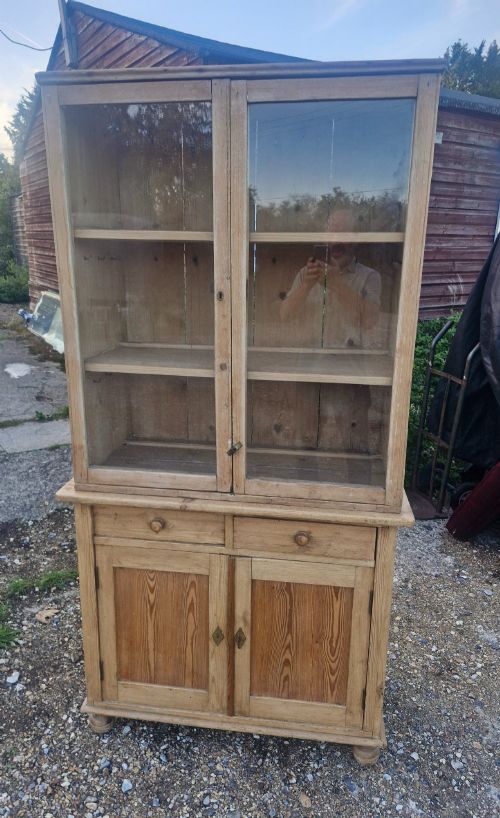
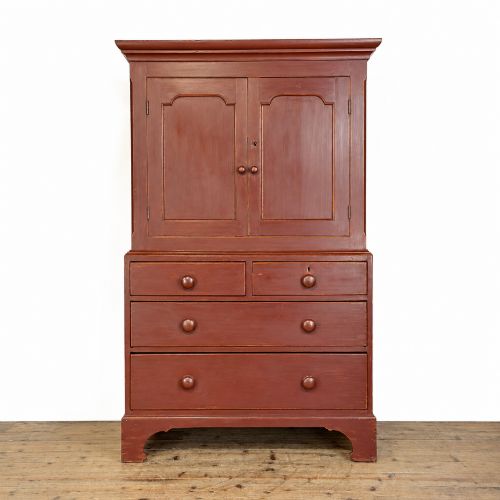
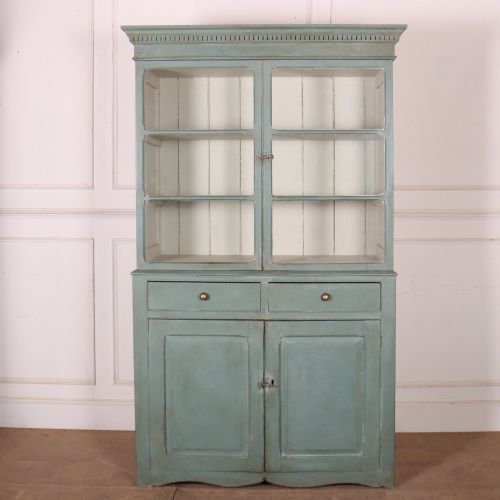
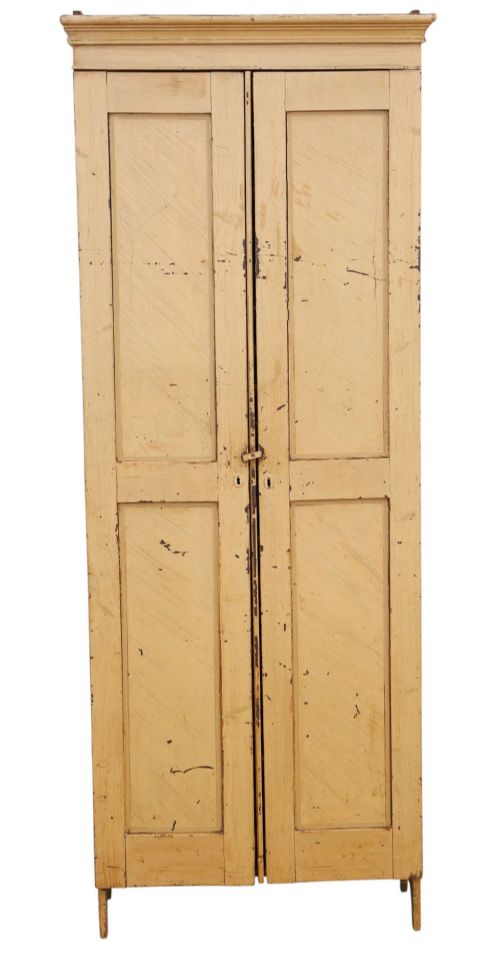
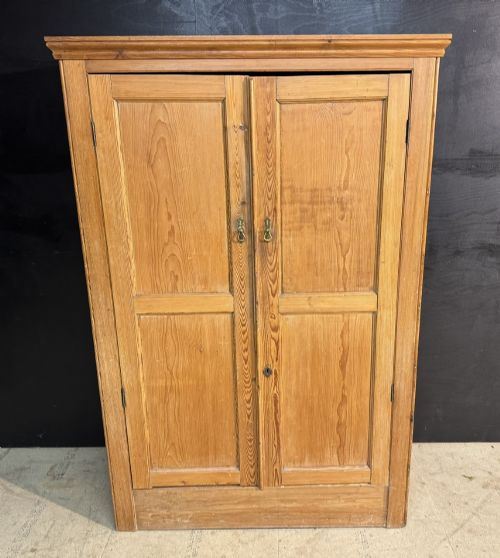
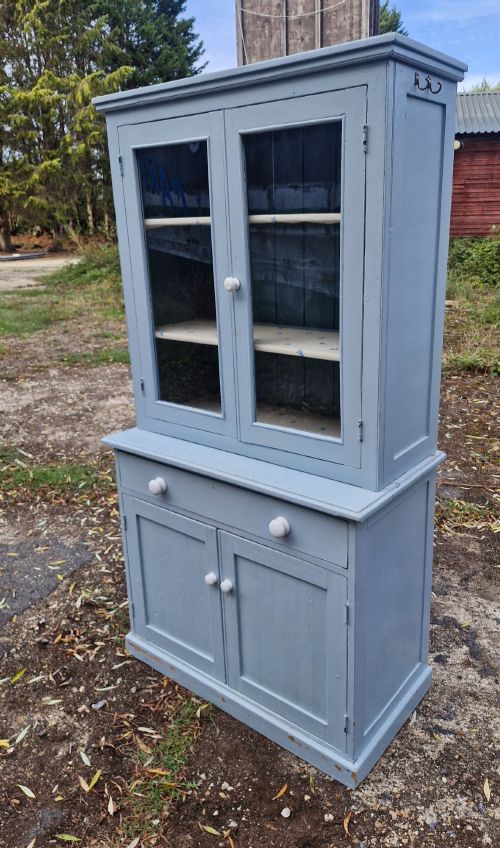
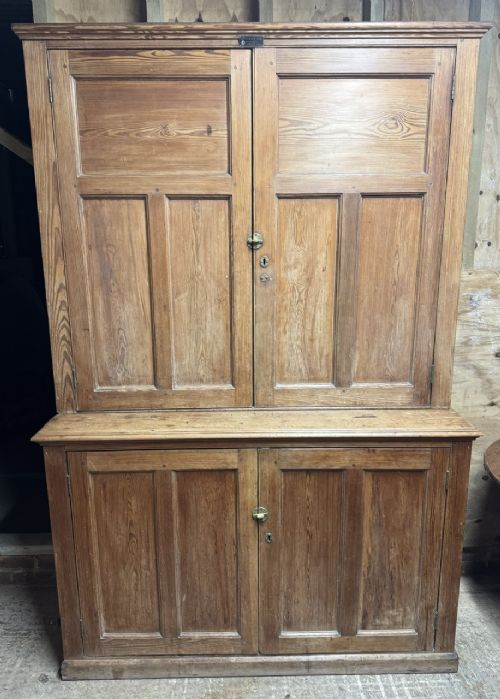
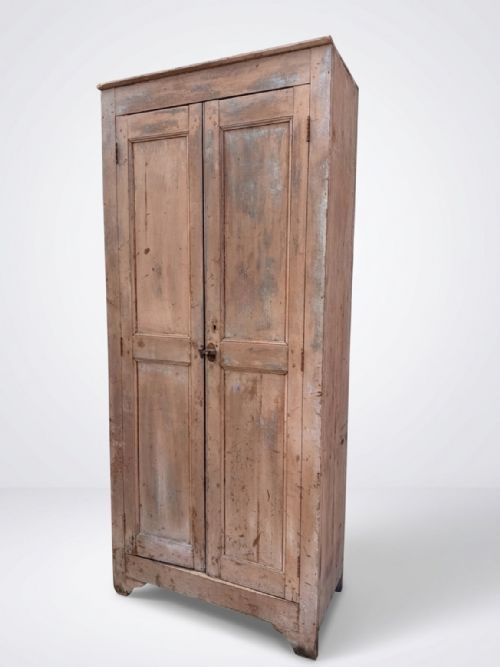
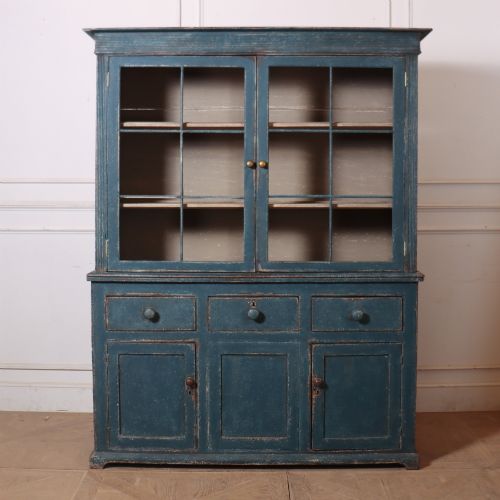
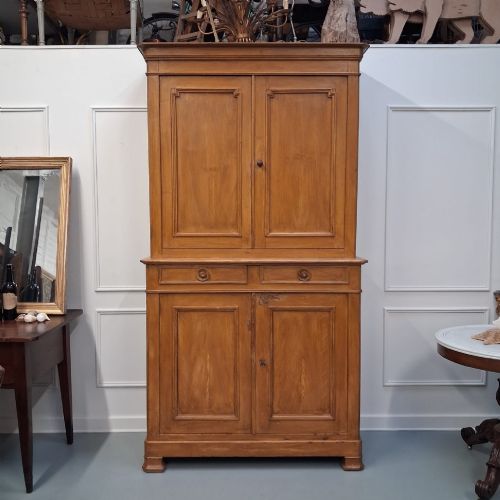
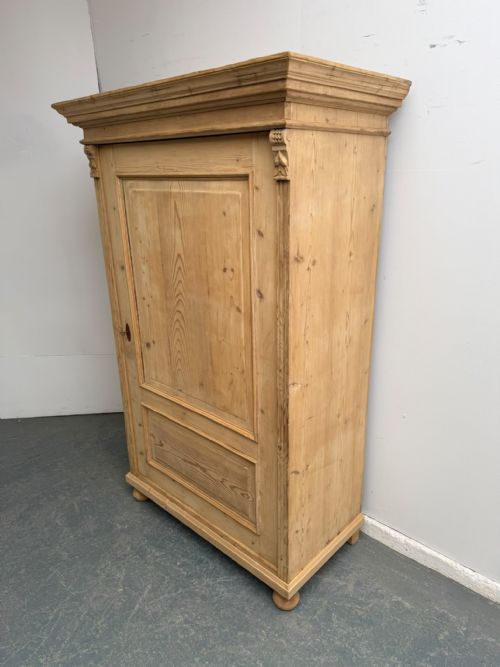
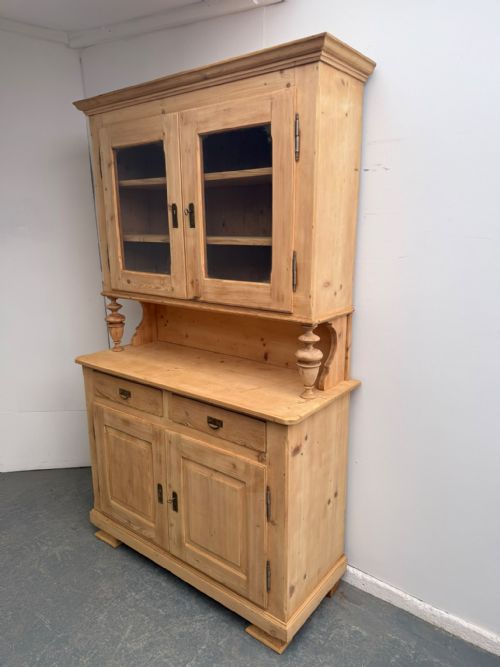
When you search for a country pine larder, you encounter functional storage pieces designed to house food and kitchen provisions. The selections on this page span several centuries, featuring forms such as housekeepers cupboards, kitchen dressers, and storage cupboards from Georgian, Victorian, and Edwardian periods.
You are most likely to meet tall cupboards and multi-door cabinets originating from English, French, and Scandinavian workshops. These utilitarian items served kitchens and larders before fitted cabinetry became standard in domestic homes.
The regional variety ranges from West Country and Scottish pieces to continental mountain cupboards. Each regional style reflects local domestic needs, resulting in proportions that suit contemporary farmhouse kitchens and modern pantries alike.
Materials and Construction
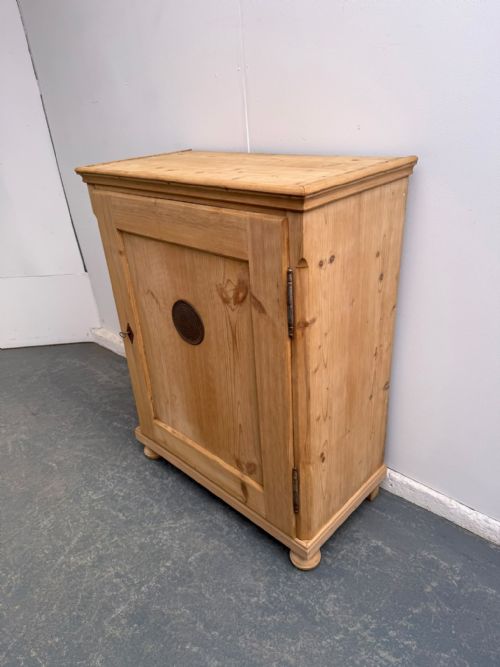
Carpenters built these larders primarily using solid pine, sometimes enhanced with painted finishes or left in waxed and stripped states. Iron and brass hardware, including hinges and latches, secure the doors and provide structural reinforcement.
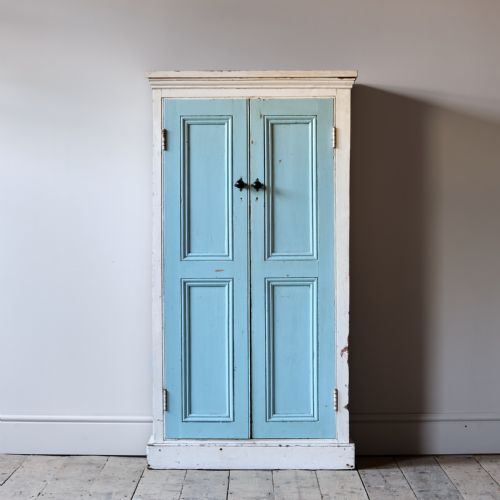
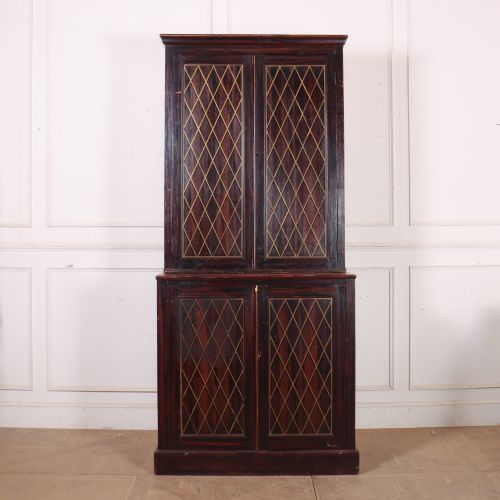
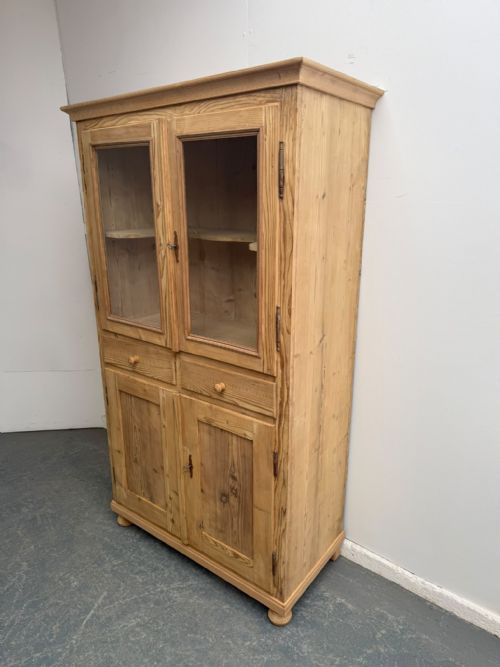
Surface treatments vary widely, with many pieces retaining original or later paintwork, such as cream and green finishes. Glazed sections incorporate glass panes to display contents, while vented doors utilise pierced panels to maintain airflow for perishable goods.
Listings feature pieces spanning the Georgian, Victorian, and Edwardian eras, constructed from pine with iron, brass, and glass elements.
Evaluating Quality and Character
The division between standard utility pieces and finer examples rests on proportion, joinery, and the preservation of original surfaces. Pieces retaining genuine early paintwork or untouched patination command greater interest than those stripped down in later decades.
Structural integrity and internal configuration also determine merit. Well-preserved shelving, original hardware, and balanced proportions distinguish a thoughtfully constructed vernacular piece from a purely utilitarian storage box.
The Country Pine Larder Glossary
- Larder cupboard
- A tall storage unit traditionally used for keeping food cool and protected before refrigeration. These pieces often feature internal shelving and sometimes ventilated doors.
- Housekeeper's cupboard
- A large storage cabinet historically used in substantial homes for linens and dry goods. They typically combine upper shelving with lower drawers or cupboards.
- Fielded panel
- A wooden panel with bevelled edges designed to fit within a frame. This traditional technique allows the wood to expand and contract with humidity changes.
- Vented cupboard
- A cabinet featuring pierced or perforated panels that allow air circulation. This design prevented stored provisions from spoiling in unheated pantries.
- Patina
- The surface sheen and colour developed through years of handling, polishing, and ageing. It serves as an indicator of an object's age and history.
Country Pine Larder: Frequently Asked Questions
What is a country pine larder used for today?
These cupboards provide generous vertical storage for kitchen provisions, tableware, or dry goods in modern homes. Their deep shelves and tall frames accommodate bulky items that standard fitted units cannot hold.
Beyond the kitchen, owners frequently utilise them in hallways or dining rooms as linen stores or display cabinets. Their traditional vernacular charm adds warmth and character to contemporary interiors.
How do I care for a painted pine cupboard?
Dust surfaces regularly with a soft, dry cloth to prevent grime accumulation. Avoid harsh chemical cleaners that can strip or damage historical paint layers.
Keep the timber away from direct heat sources and strong sunlight to prevent warping and fading. Applying occasional wax to unpainted wooden sections helps nourish the grain.
Are these larders difficult to fit into modern kitchens?
Most country pine larders are substantial freestanding pieces that require careful measurement of ceiling height and doorway clearance before purchase. Their deep footprints need adequate floor space to allow doors to open fully.
Many buyers position them as standalone statement pieces rather than integrating them into built-in rows. Their independent nature makes them easy to relocate if you rearrange your rooms.
How can I distinguish a Georgian larder from a Victorian one?
Georgian pieces, dating from around the eighteenth and early nineteenth centuries, often display simpler, heavier proportions with restrained moulding. Their construction details tend to feature hand-cut joinery specific to that era.
Victorian and later examples frequently exhibit more varied door configurations, machine-finished elements, and diverse hardware styles. Examining the internal construction helps reveal the manufacturing period.