
Country Oil Painting
A country oil painting brings rural life, quiet cottages and pastoral scenes directly onto the wall.
Country Oil Painting
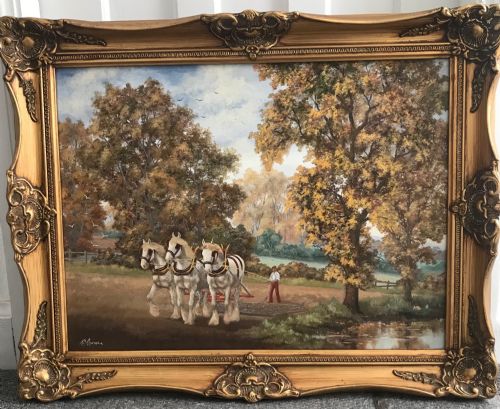
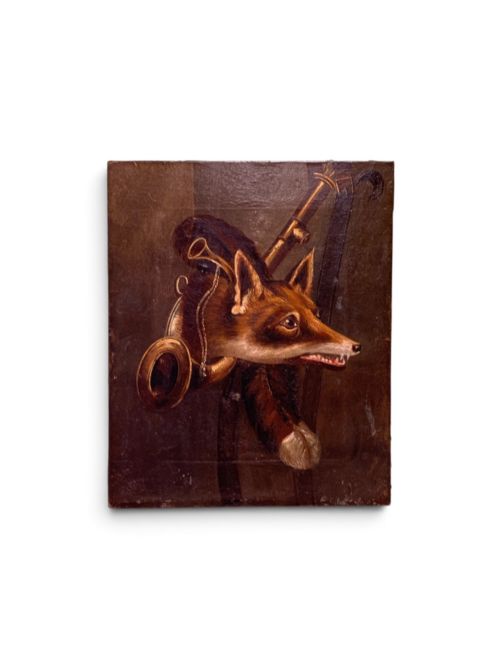
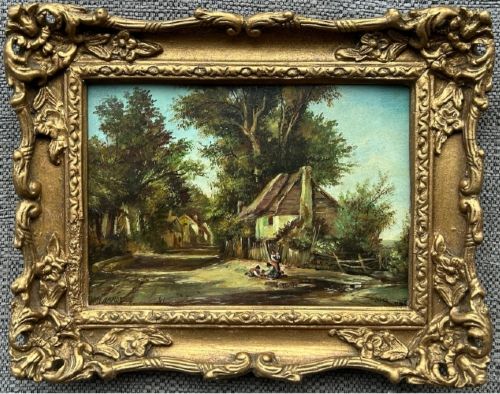
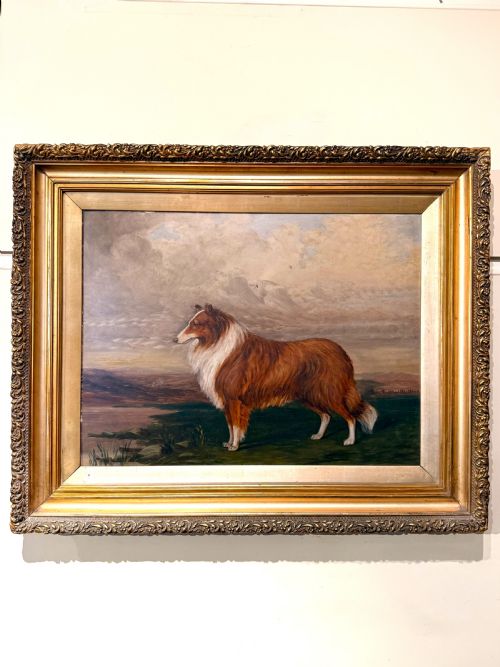
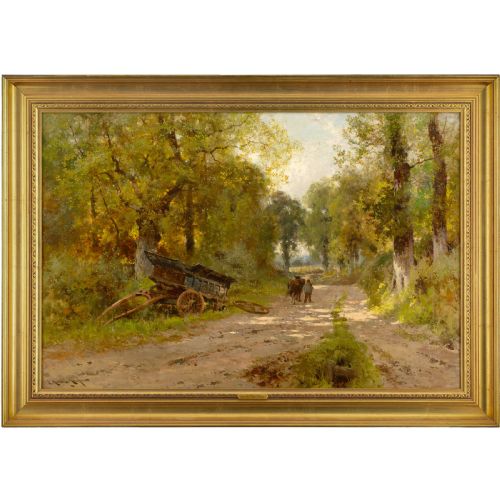
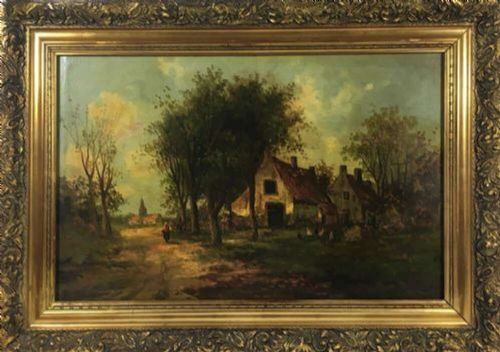
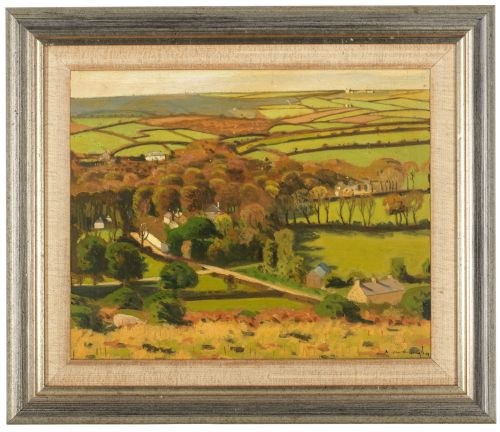
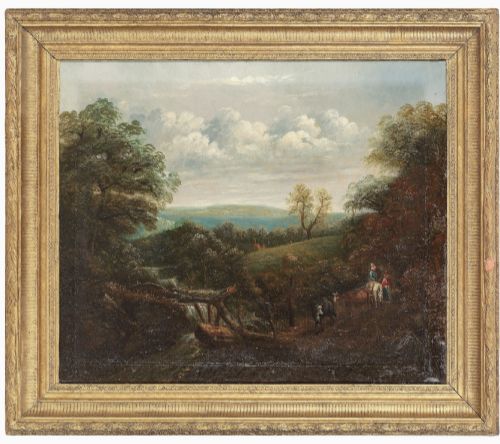
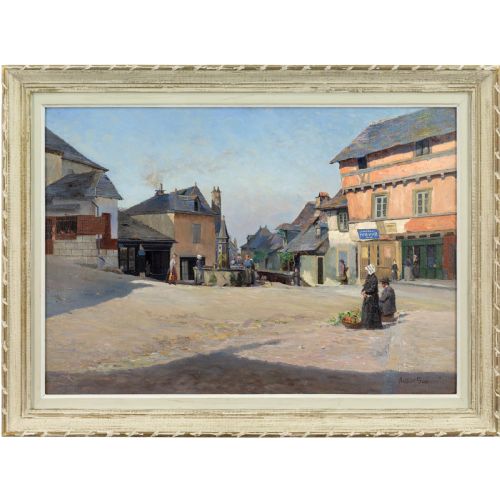
A country oil painting captures rural scenes, agricultural life, domestic animals and provincial landscapes across various British and European schools. Buyers encounter depictions of thatched cottages, harvest fields, farmyard animals and sporting dogs rendered by academic artists or naive painters.
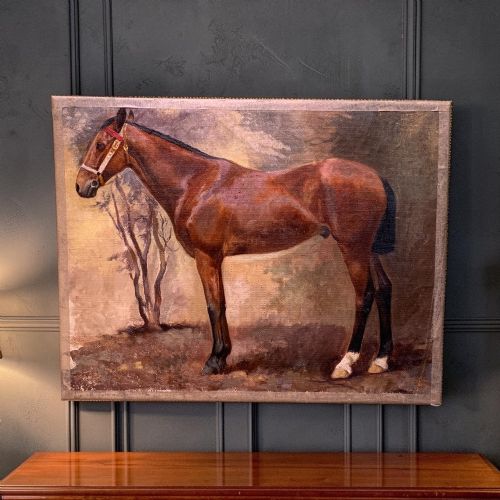
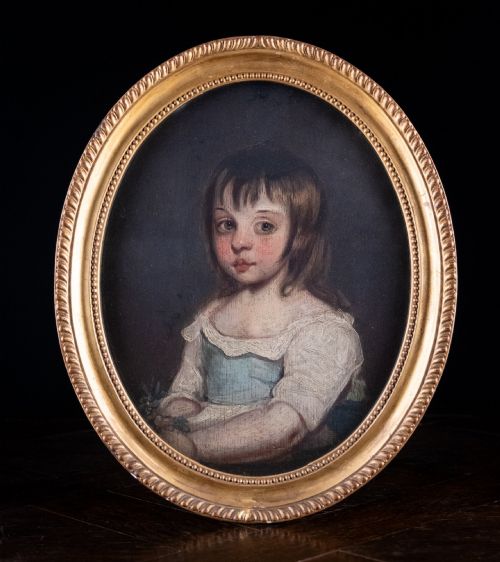
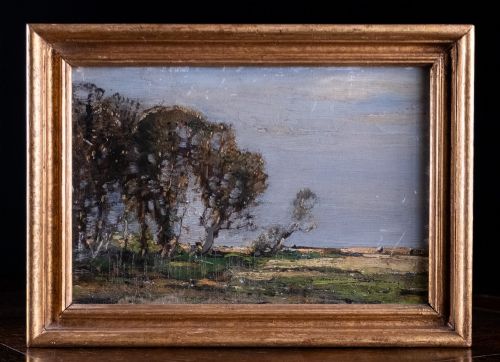
The selections span from eighteenth-century portraits and nineteenth-century realists to twentieth-century impressionist and mid-century provincial views. Many works feature framed canvases or wooden panels showing local characters, horse portraits and country house gardens.
Materials and construction
Artists painted primarily with oil paint on stretched canvas, wooden panels, board, or heavy card supports. These grounds were often housed within decorative gilt wood frames, gesso mouldings, or burr walnut surrounds.
Pigments were layered to build depth in landscapes and animal portraits, utilising brushwork that ranged from tight academic precision to looser impressionist dabs.
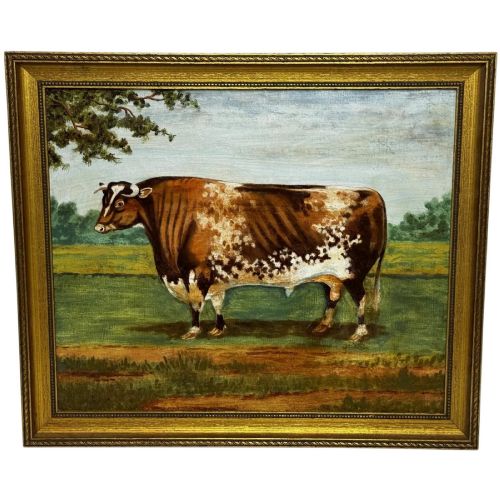
Several canvases record farmyard animals, from prize shorthorn bulls to pigs being fed by children.
Judging quality and execution
Quality rests in the handling of light, anatomical accuracy in animal and human figures, and the sensitivity of the composition. Superior works demonstrate confident brushwork and atmospheric depth, whereas simpler naive pieces rely on charm and directness.
The integrity of the original support, the preservation of the pigment layers, and the compatibility of the period frame elevate the standing of an individual piece.
William Howard Hardy·John Horace Hooper·Kershaw Schofield·Stephen Samuel Lewin·Robert Morson Hughes·Thomas Sidney Cooper·Edgar Hunt
The Country Oil Painting Glossary
- Oil on Canvas
- A traditional painting medium where coloured pigments suspended in oil are applied to a woven fabric stretched across a wooden frame. This combination allows for rich blending and textured impasto work.
- Giltwood
- Wood that has been coated with a thin layer of gold leaf or gilt powder. It is frequently seen on the decorative frames enclosing period art.
- Naive Art
- Artwork created by an artist without formal academic training, often characterised by a flat perspective and straightforward charm. These pieces offer an honest record of rural life.
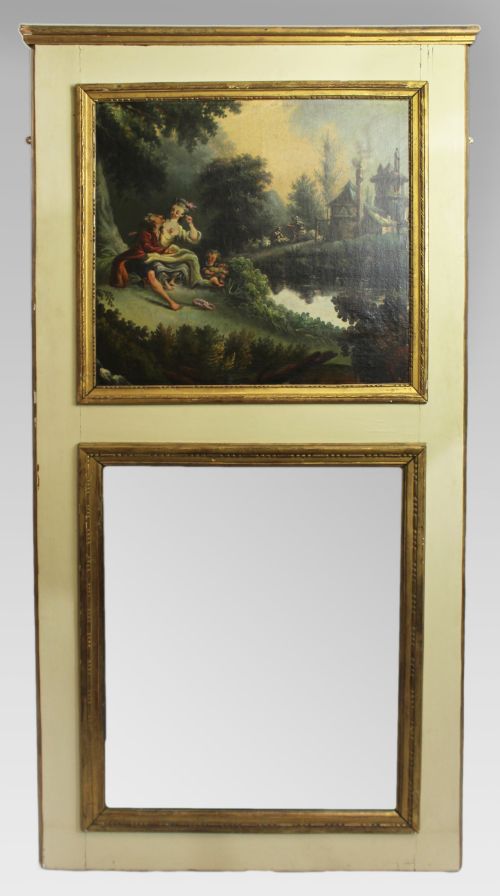
- Trumeau
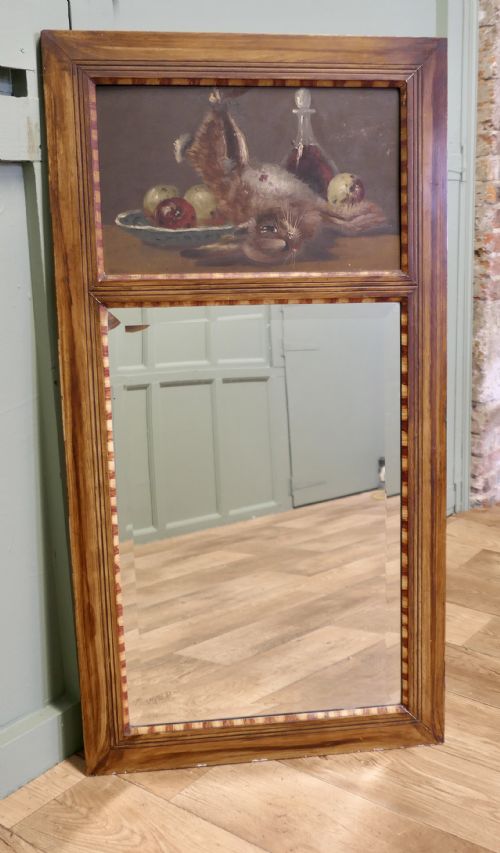
- An architectural mirror incorporating a painted panel or carved decoration above the glass plate. French examples frequently feature pastoral scenes.
- Impasto
- Paint applied thickly to a canvas or panel so that it stands proud of the surface. This technique preserves the physical gesture of the brush.
Country Oil Painting: Frequently Asked Questions
How do I date a country oil painting?
Dating relies on stylistic clues, costume details, the type of canvas or panel used, and framing methods. Signatures, inscriptions verso, and the artist's recorded working dates provide the most secure timeframe.
Examination of the stretcher bars and nail types also helps distinguish eighteenth and nineteenth-century works from later twentieth-century productions.
What subjects are most common?
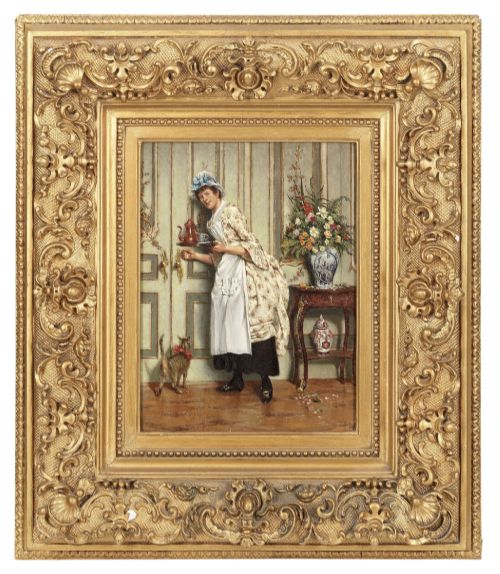
Landscapes featuring cottages, harvest fields, and wooded glades appear frequently alongside animal portraits including horses, cattle, and gun dogs. Genre scenes showing rural workers and daily farm life are also well represented.
These subjects reflect the Victorian and Edwardian fascination with pastoral tranquility and traditional rural trades.
How should I hang and light these paintings?
Oil paintings on canvas or panel require stable interior humidity and protection from direct sunlight to prevent cracking or fading. Picture lights or angled wall spots enhance the texture and depth of the pigments without generating excessive heat.
Ensure the wall fixings match the weight of the piece, particularly when it is housed in a heavy gilt wood frame.
What is the difference between academic and naive works?
Academic paintings follow formal rules of perspective, anatomy, and lighting taught in art schools, yielding highly finished and naturalistic results. Naive or provincial works ignore strict perspective rules in favour of expressive directness and narrative charm.
Both categories hold significant appeal for collectors depending on whether they prefer precise realism or folk art character.