

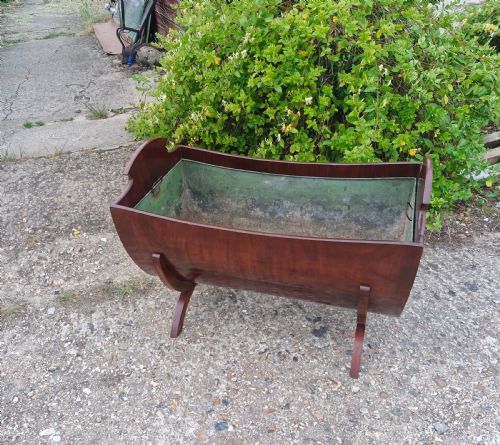


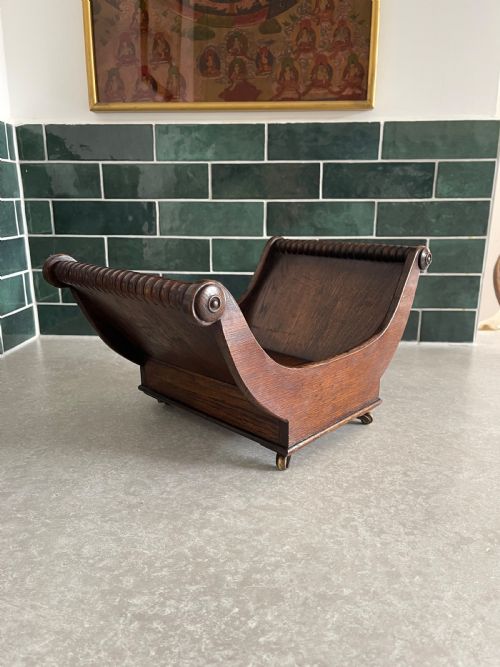
Country House Trough
A country house trough brings utility and rustic grace into a room, spanning timber dairy bowls to wirework plant stands.
Country House Trough
A country house trough embodies the utilitarian charm of historic estates, encompassing items built for holding provisions, plants, logs, or wine. When searching for a country house trough, buyers encounter a diverse mix of utilitarian vessels and furniture forms that served bustling domestic spaces.
Materials vary widely between functional timber treen and robust metal or wirework structures designed for conservatories and dining rooms. Each piece reflects the honest construction methods required for demanding household tasks.
Materials and Construction
Makers utilised native hardwoods such as oak, mahogany, elm, and sycamore wood, shaping them into solid boards and carved vessels. Joinery methods relied on sturdy pegging and hand-shaping to withstand heavy domestic use.
Metal components incorporate wrought iron, zinc, and brass, often paired with wirework for conservatory plant stands and wine coolers. These materials provided the necessary strength for damp environments and weighty contents.
Surface finishes developed naturally through years of use, leaving warm patinas on sycamore dairy bowls and polished surfaces on mahogany cooler vessels.
Country House Trough Retail Price Guide 2026
Typical asking prices for country house trough among the pieces listed under this phrase on Sellingantiques today, from the lower quarter to the upper quarter. They describe what is for sale here now, not the wider market.
The listings show items spanning the 18th, 19th, and early 20th centuries, utilising oak, mahogany, sycamore, wrought iron, and wirework.
Assessing Quality and Character
Quality rests in the integrity of the original timber and the honesty of the hand-carved or joined construction. Superior examples retain their uncompromised structural form and deep, untouched surface patinas developed over centuries.
The refinement of the initial purpose influences value, distinguishing utilitarian dairy vessels from sophisticated mahogany wine coolers destined for the dining room. Finer pieces demonstrate thoughtful proportions and deliberate selection of figured wood grains.
The Country House Trough Glossary
- Treen
- Small handmade wooden household objects. This term covers historic items shaped for domestic utility, from bowls to coasters.
- Dough Bins
- Wooden chests with lids used for bread making. These containers kept rising dough at the correct temperature in farmhouse kitchens.
- Jardiniere
- An ornamental pot or stand for plants. These vessels often occupied grand reception rooms and conservatories in country houses.
- Patina
- The surface sheen developed through age and handling. A warm patina indicates decades of gentle use and maintenance.
- Cheese Coaster
- A small wheeled tray for moving cheese on the dining table. These wooden stands allowed diners to pass provisions smoothly along mahogany boards.
Country House Trough: Frequently Asked Questions
What is a country house trough?
A country house trough encompasses a variety of utilitarian and decorative vessels used in historic estates for holding logs, plants, wine, or food provisions. These pieces reflect the practical needs of large domestic households.
They range from carved wooden dough bins and dairy bowls to wirework plant stands and mahogany wine coolers.
How were these troughs used?
Historic households utilised these items for daily chores, food preparation, and interior decoration. Treen bowls held dairy produce, while specialised stands served dining rooms and conservatories.
Their robust construction allowed them to endure heavy handling in estate kitchens and working areas.
How do I care for wooden pieces?
Wooden vessels and furniture require stable room temperatures away from direct heat sources and strong sunlight. Maintaining moderate humidity prevents the timber from drying out or splitting.
Gentle dusting and occasional application of appropriate wax help preserve the historic surface patina.
How are different periods identified?
Dating relies on observing construction techniques, tool marks, timber species, and stylistic cues characteristic of specific eras. Georgian and Victorian pieces often show distinct joinery methods and hardware choices.
Examining the natural wear patterns provides further context regarding the age and origin of the object.