



Country House Tapestry
Country house tapestry pieces bring heritage warmth and texture into a room, spanning seating and firescreens from the Georgian era to the early twentieth century.
Country House Tapestry
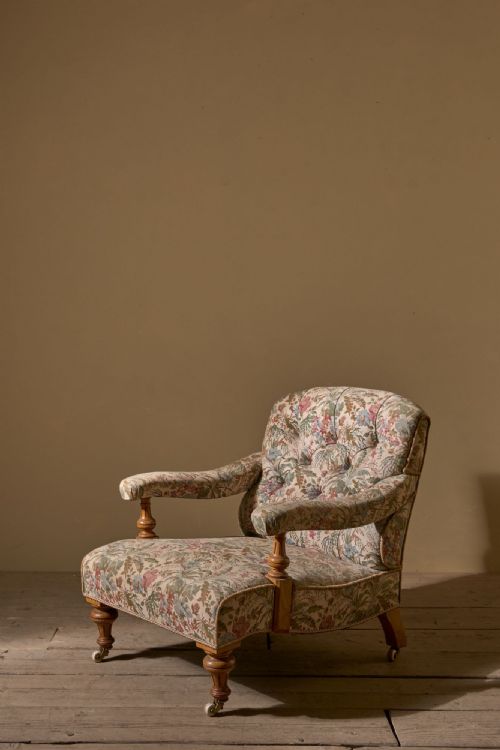
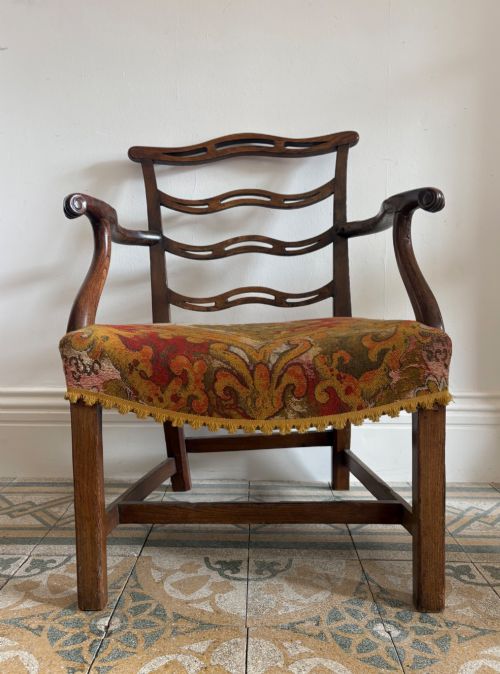
A country house tapestry selection centres on period seating and decorative home furnishings gathered from historic estates. Buyers hunting for country house tapestry examples will discover items ranging from eighteenth-century ladderback chairs and Welsh oak armchairs to Victorian footstools, firescreens, and generous sofas.
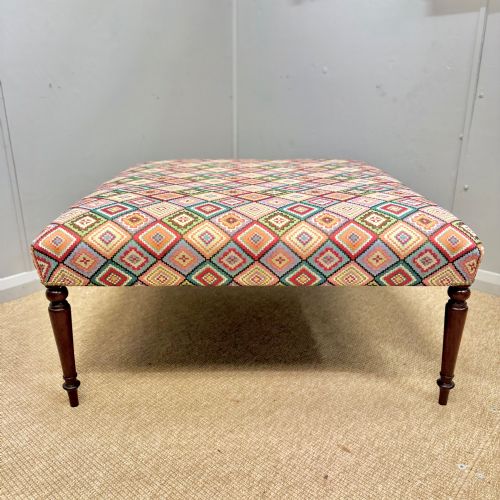
Armchairs and sofas form the backbone of these listings, often upholstered in heavy woven fabrics, floral needlepoint, or geometric tapestry textiles. Smaller decorative elements such as hand-embroidered silk bell pulls also appear alongside utilitarian storage ottomans and firescreens designed for stately interiors.
Assessing Quality and Craftsmanship
Quality reveals itself in the structural integrity of the timber frame and the finesse of the joinery beneath the upholstery. Finer seating displays thoughtful carving and balanced proportions inherent to specific regional cabinetmaking traditions.
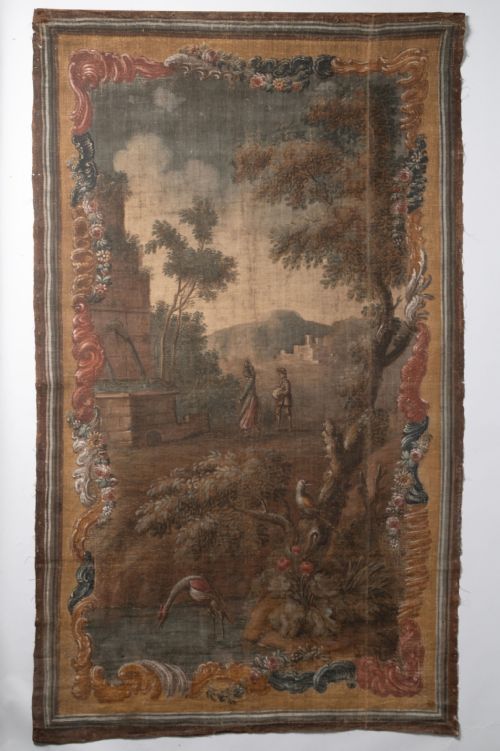
The textile component dictates much of the visual character, separating standard commercial upholstery from intricate hand-embroidered needlework and Aubusson weaves. Well-preserved period fabrics retain their original tension and depth of colour without excessive thinning.
Country House Tapestry Retail Price Guide 2026
Typical asking prices for country house tapestry among the pieces listed under this phrase on Sellingantiques today, from the lower quarter to the upper quarter. They describe what is for sale here now, not the wider market.
A nineteenth-century silk and bead bell pull serves as a reminder of the days when summoning a butler required serious wrist stamina.
Hallett & Sons
The Country House Tapestry Glossary
- Bell pull
- A long vertical strip of fabric, often embroidered with silk and beads, used historically to summon household staff via a mechanical bell system.
- Firescreen
- A standing wooden screen with a fabric or tapestry panel placed before a fireplace to shield occupants from radiant heat when the hearth was unlit.
- Knowle sofa
- A distinctive sofa style featuring high back and adjustable or hinged arms originally developed at Knole House in Kent.
- Needlepoint
- A type of canvas work embroidery executed with a yarn threaded through a stiff open-weave mesh to create dense pictorial or geometric patterns.
- Aubusson
- A traditional French tapestry weave produced without a pile, historically associated with collaborative weaving workshops in the town of Aubusson.
Country House Tapestry: Frequently Asked Questions
How do I care for antique tapestry upholstery?
Protect antique woven fabrics by keeping them out of direct sunlight to prevent the natural wool and silk fibres from fading. Gentle vacuuming through a mesh screen helps remove dust without snagging historic threads.
Avoid using liquid cleaners on old textiles. Professional conservation cleaning is recommended for significant stains or accumulated grime.
What is the difference between an ottoman and a footstool?
Footstools generally offer compact seating or rest for the feet, whereas traditional country house ottomans often double as storage boxes with hinged lids. The listings show both low geometric stools and larger lidded storage pieces.
Both items utilise heavy tapestry or upholstered tops to complement surrounding period armchairs and sofas.
How do I identify a Victorian armchair from a Georgian one?
Georgian seating, such as ladderback or elm open arm-chairs, tends to display simpler structural lines and regional vernacular charm dating back towards the late eighteenth century. Victorian examples often feature heavier mahogany frames, scroll arms, and more elaborate upholstery.
Examining the turning of the timber, the joinery methods, and the style of the feet helps determine the exact period of manufacture.