





Country House Shelving
Country house shelving brings together practical storage and enduring period character, offering open displays and robust timbers that suit historic and modern interiors alike.
Country House Shelving
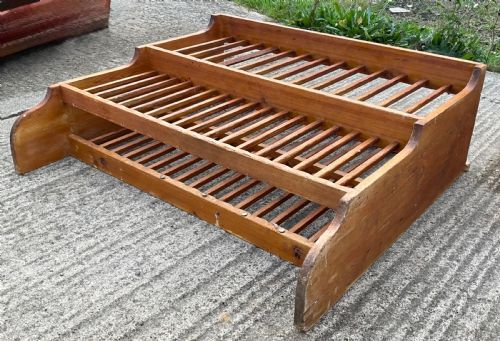
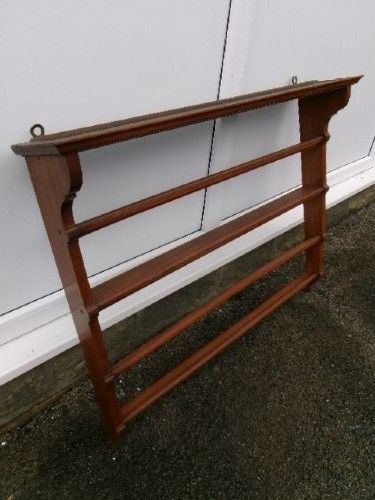
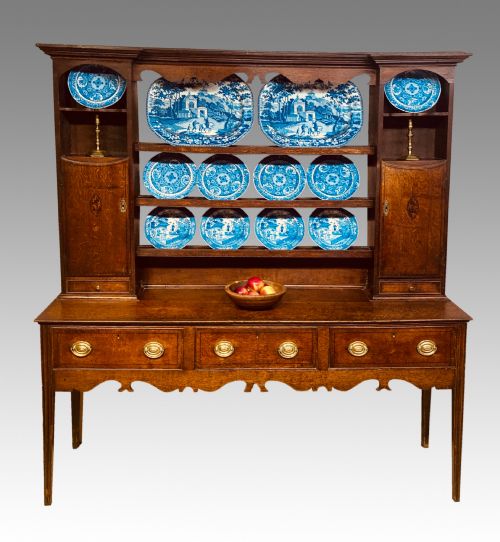
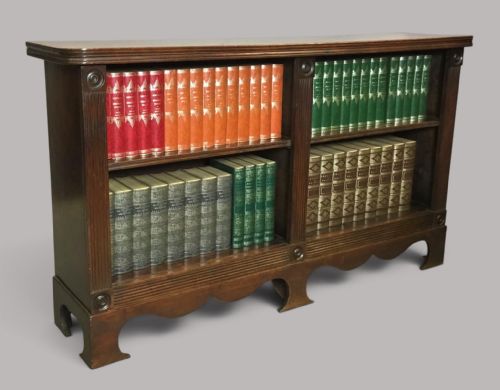
Country house shelving encompasses open bookcases, wall hanging shelves, display stands, and large dressers designed to organise and display domestic collections. These pieces emerge from periods spanning the seventeenth century through to the early twentieth century, reflecting centuries of domestic utility.
Makers and craftsmen across the Georgian, Victorian, and earlier eras produced these items in regional styles, incorporating carved details or painted finishes. Their forms remain practical, serving as both storage solutions and focal points within a room.
How they were made
Makers utilised native hardwoods like oak and elm, alongside imported mahogany and burr walnut, selecting timber for strength and prominent grain patterns. Boards were joined using traditional methods suited to heavy furniture, ensuring durability over generations of use.
Carving and surface finishes define the construction of these pieces, with craftsmen applying hand-carved ornamentation to friezes and uprights. Some examples feature painted surfaces, adding a distinct layer of colour and protection to the underlying wood.
Country House Shelving Retail Price Guide 2026
Typical asking prices for country house shelving among the pieces listed under this phrase on Sellingantiques today, from the lower quarter to the upper quarter. They describe what is for sale here now, not the wider market.
Elm wood was frequently chosen for country furniture because its tangled grain made it notoriously stubborn to split when chopped for firewood.
What varies in quality
The selection of timber dictates the visual weight and finish of a piece, with figured burr walnut or dense Georgian mahogany sitting at the higher end of the scale. Simpler pine or painted items offer a more domestic character, while rich oak displays depth through its natural grain.
The sophistication of the carving and joinery separates standard utility items from more ambitious commissions, such as large bookcases with detailed architectural mouldings. Proportion and balance also govern quality, ensuring that tall bookcases or hanging shelves sit correctly against a wall.
The Country House Shelving Glossary
- Bookcase
- A piece of furniture consisting of horizontal shelves used for storing books. These often feature open fronts or hanging configurations.
- Dresser
- A kitchen or dining room storage unit combining lower cupboards or drawers with upper shelving or plate racks. They are typically fashioned from oak or elm.
- Whatnot
- A multi-tiered piece of freestanding furniture designed for displaying ornaments and small objects. They frequently appear in corner formats.
- Plate Rack
- A set of wooden shelves specifically slotted or grooved to hold plates upright. They are commonly integrated into larger dresser designs.
- Burr Walnut
- A highly prized wood veneer derived from the abnormal growth of a walnut tree. It yields complex, swirling grain patterns.
Country House Shelving: Frequently Asked Questions
What is country house shelving?
Country house shelving refers to practical wooden storage furniture, including bookcases, wall shelves, and dressers, originating from historic domestic settings. These pieces prioritise open display and sturdy timber construction.
They reflect traditional craftsmanship across periods from the seventeenth century to the Victorian era, offering both utility and distinct period style for modern homes.
How were these shelves used?
Historically, these shelves served functional roles in kitchens, libraries, and hallways for storing books, ceramics, and household provisions. Large dressers held dining wares, while wall shelves kept everyday items within easy reach.
Over time, their role shifted towards decorative display, allowing owners to showcase collections of books, pottery, and ornaments in living spaces.
How do I date a wooden bookcase?
Dating a wooden bookcase involves examining the timber species, construction techniques, and stylistic details such as mouldings and hardware. Georgian and Victorian pieces often display distinct joinery methods and proportions characteristic of their era.
Comparing the secondary woods and overall wear helps establish whether a piece originates from the seventeenth century, the Regency period, or later.
How do I style hanging shelves?
Hanging shelves work best mounted securely to a solid wall at a height that balances surrounding furniture. They provide an ideal platform for displaying books, small plants, or framed pictures without taking up floor space.
Pairing them with period seating or placing them above a sideboard creates a cohesive display that anchors the room.