



Country House Ornament
Country house ornament brings character to a room, ranging from cast iron doorstops to bronze foxes and stoneware lions.
Country House Ornament
A country house ornament encompasses diverse decorative objects found within historic English estates, from practical doorstops to bronze animal sculptures. When you search for country house ornament, you encounter pieces designed to furnish expansive interiors and gardens alike.
The selections span periods from the Georgian era through the Edwardian years and into the mid-twentieth century. Animal figures feature prominently, including bronze foxes, cast iron dogs, stone lions, and decorative pheasants.
Practical items that double as decor also populate this category, such as boot scrapers, weathervanes, and pen wipes. Staffordshire pottery figures add colourful ceramic examples to the mix.
How they were made
Foundry work dominates many metal pieces, utilising cast iron, brass, and bronze to create robust doorstops and animalier sculptures. Bronze studies often sit upon heavy marble bases for stability and contrast.
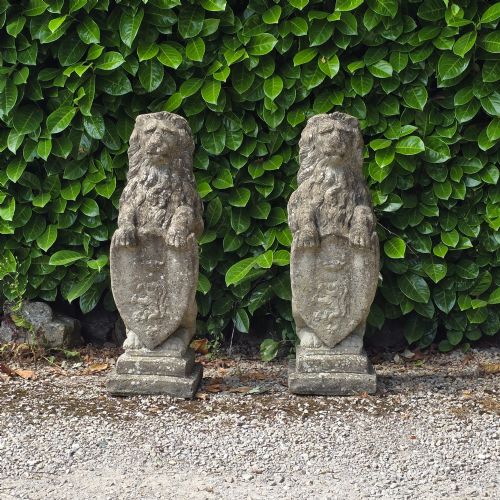
Ceramic pieces rely on earthenware and glazed finishes, particularly in Staffordshire pottery figures and cottages. Stone and reconstituted stone serve larger garden statues like standing lions, while terracotta provides material for lifesize animal figures.
Wood and paint appear in folk art decoy ducks and weathervanes, demonstrating traditional carving and silhouette work.
Country House Ornament Retail Price Guide 2026
Typical asking prices for country house ornament among the pieces listed under this phrase on Sellingantiques today, from the lower quarter to the upper quarter. They describe what is for sale here now, not the wider market.
A golden pheasant cast in bronze or a weather-beaten stone lion brings a touch of aristocratic estate life straight to the hearth.
What varies in quality
Detail and finish separate standard utilitarian items from finer artistic studies, particularly in animalier bronzes where feather and fur texture demands precise casting. The weight and durability of materials like cast iron versus lighter plaster also define the standard of manufacture.
Age and period authenticity influence the character of each piece, with Georgian ironwork and Victorian Staffordshire carrying distinct regional and era-specific traits. Weathering on stone and cast iron naturally alters the surface over decades of exposure.
P J Mêne
The Country House Ornament Glossary
- Animalier
- A nineteenth-century artistic movement focused on the realistic depiction of animals, particularly predators and game birds in bronze. Sculptors like P J Mêne worked extensively in this style.
- Flatback
- A style of ceramic figure, common in Staffordshire pottery, moulded with a flat unglazed back designed to sit flush against a mantelpiece. These figures often depict historical persons or domestic scenes.
- Doorstop
- A heavy utilitarian object, frequently cast in iron or moulded in plaster, used to keep interior doors propped open. Many take the form of dogs, horses, or human figures.
- Weathervane
- An outdoor instrument mounted on a roof to show wind direction, often featuring a decorative silhouette cut from metal or wood. Georgian examples utilise folk art metalwork.
- Decoy duck
- A carved and painted wooden water bird used historically by hunters to attract real ducks. French and English rustic examples are now collected as decorative folk art.
Country House Ornament: Frequently Asked Questions
What is a country house ornament?
A country house ornament is a decorative or functional object originating from traditional English estates, spanning materials like bronze, cast iron, stone, and earthenware. These items range from mantelpiece figures to garden statues.
They reflect the diverse tastes of country homes across the Georgian, Victorian, Edwardian, and later periods, prioritising animal subjects and rustic utility.
How were cast iron doorstops used?
Cast iron doorstops were placed on the floor to prevent heavy interior doors from swinging shut in draughty hallways and reception rooms. Their substantial weight kept them securely in place.
Many took the shape of dogs, horses, or architectural motifs, combining domestic utility with decorative charm.
How do I identify animalier bronzes?
Animalier bronzes display realistic musculature, posture, and surface textures of animals, created by specialist sculptors during the nineteenth century. They are typically cast in bronze and frequently mounted on marble bases.
Subjects include foxes, hunting dogs, and game birds, often bearing the artist's signature in the metal.
Where should I place stone lions?
Stone lions are traditionally placed as pairs flanking an entrance, garden path, or terrace to create a formal aesthetic. Reconstituted stone and natural stone versions weather naturally outdoors.
They serve as focal points in landscaping, echoing classical architectural traditions seen in country houses.