

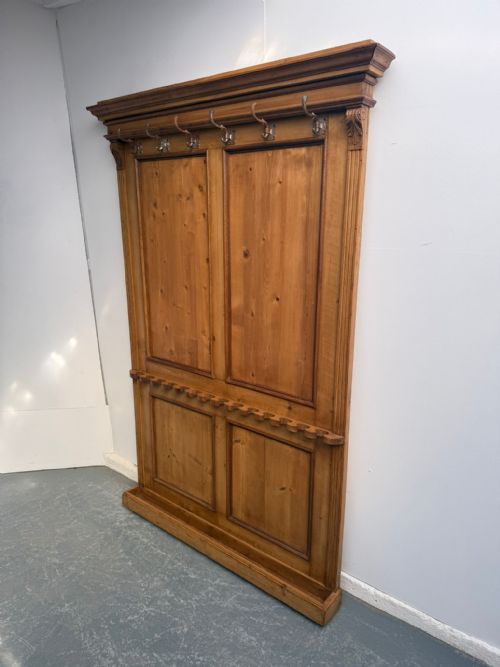


Country Hall Stand
A country hall stand anchors an entrance with practical storage for outdoor gear, combining utility and presence.
Country Hall Stand
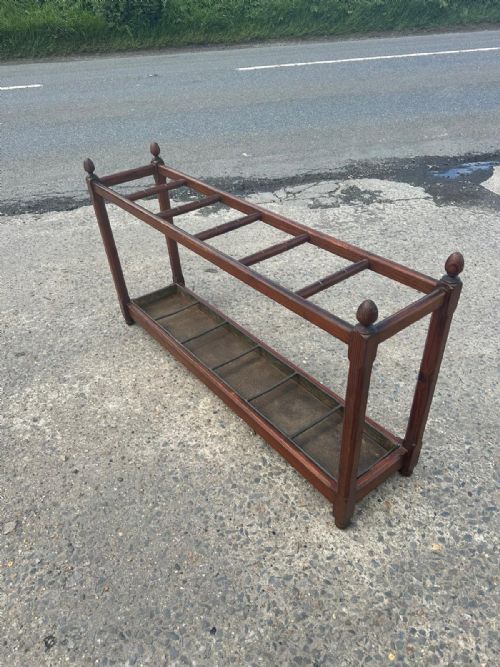
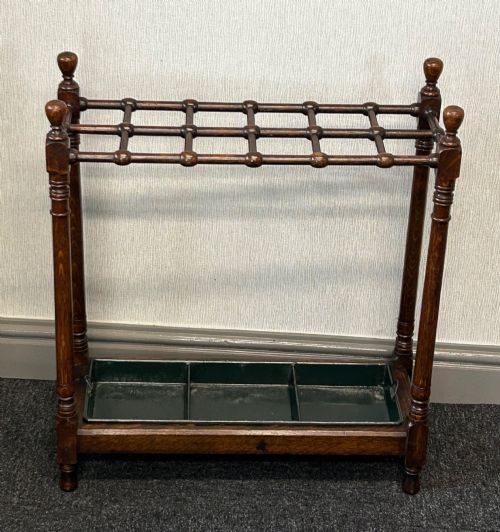
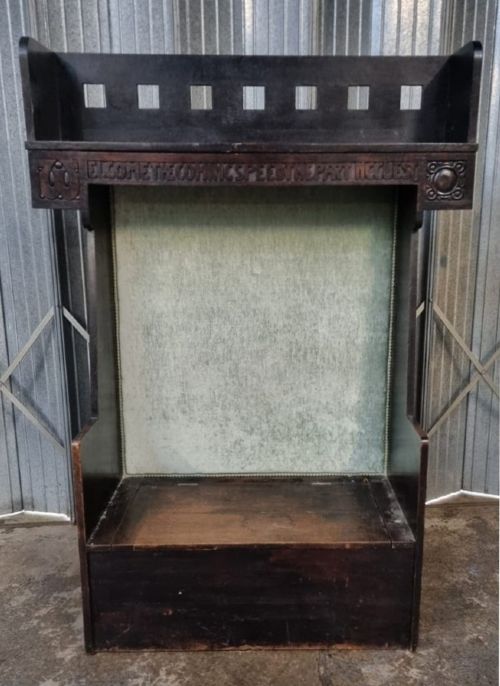
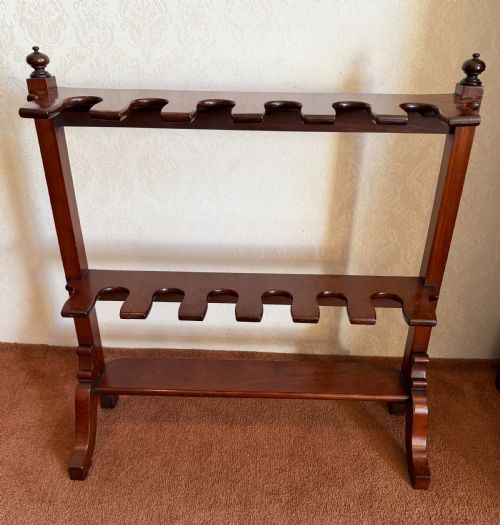
A country hall stand serves as a functional anchor for entranceways, designed to hold coats, umbrellas, boots, and whips. The pieces seen here span centuries of domestic life, drawing on periods from the eighteenth century through the Edwardian era.
Most examples take the form of dedicated stick or umbrella stands, combined coat racks, and occasional hybrid forms integrating seats or cupboards. Oak and pine dominate the domestic vernacular, frequently appearing alongside utilitarian metalwork.
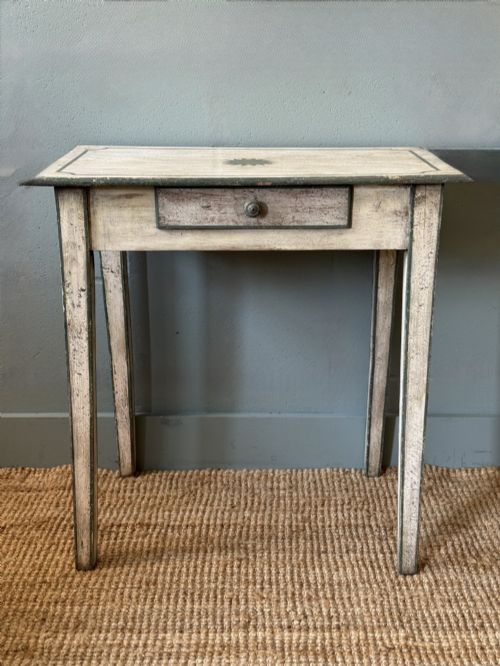
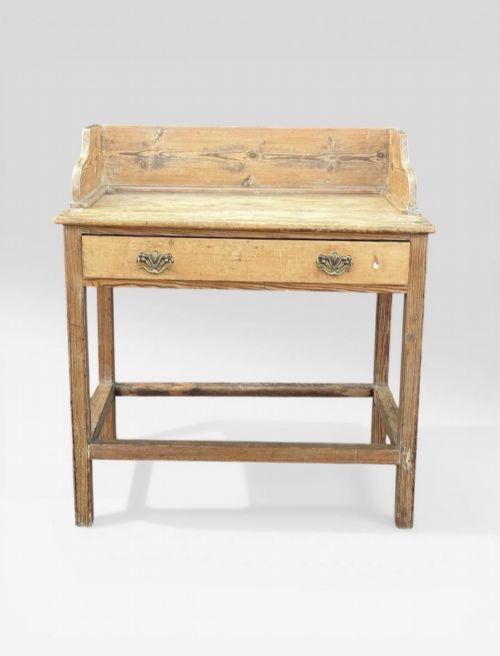
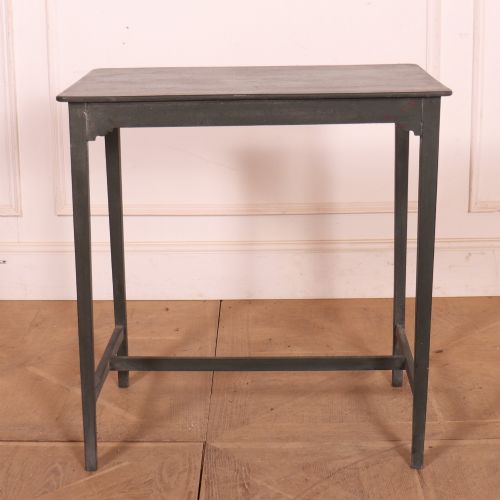
The style leans heavily toward English and Victorian country house aesthetics, with occasional expressions in Arts and Crafts and Regency idioms. Buyers encounter everything from simple painted pine racks to substantial carved oak combinations with integrated seating.
Materials and Construction
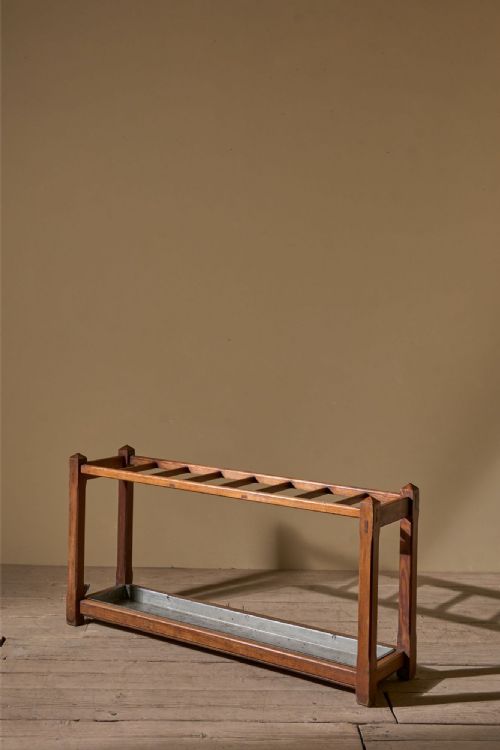
Makers relied on durable timbers such as oak, mahogany, and pitch pine to withstand the daily weight of wet outerwear and heavy walking poles. Secondary materials like brass, cast iron, zinc, and even animal horn appear as structural supports and drip trays.
Joinery methods reflect the utilitarian purpose of the furniture, utilising sturdy framing, peg construction, and blacksmith-made iron hinges and locks. Surfaces show a mix of waxed natural grain, original paint, and fruitwood veneers.
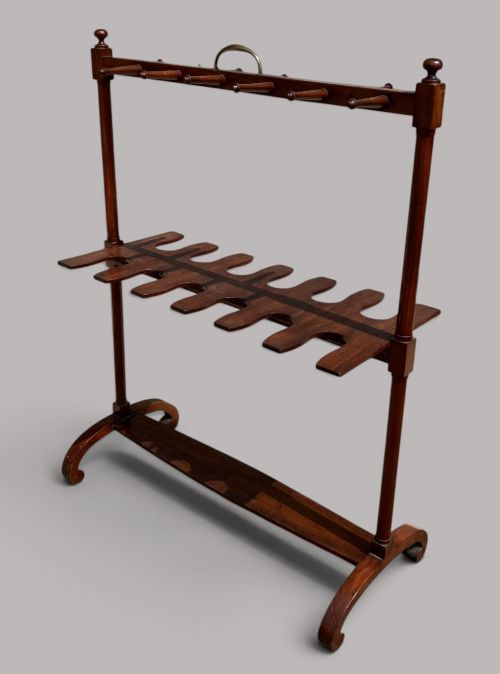
Specialised fittings such as compartmentalised divisions for umbrellas or built-in boot jacks demonstrate how form followed function in grand country residences and smaller halls alike.
Listings feature oak, pine, mahogany, and painted finishes spanning the eighteenth century to the Edwardian period.
Assessing Quality
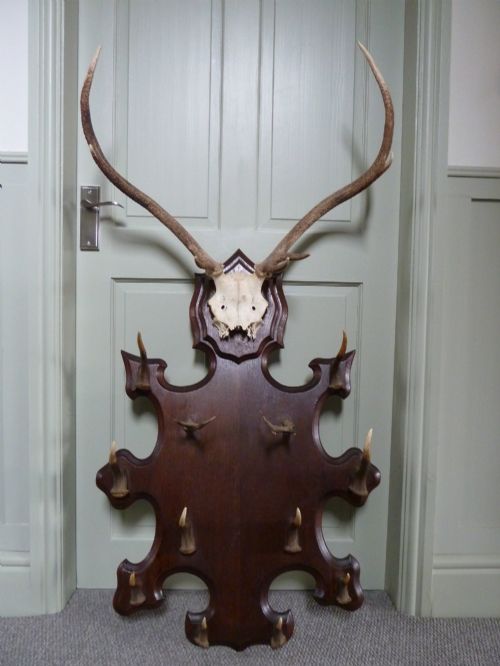
The distinction between standard utility items and finer examples rests on the ambition of the design and the integrity of the materials. Pieces featuring integrated seating, complex turnings like barley twists, or sculptural elements like carved animal horns represent a higher tier of production.
Original surface finishes, whether patinated oak or early paint, heavily influence the standing of a piece. Altered drip pans, replaced structural pegs, or stripped surfaces diminish the integrity of the object compared to those retaining their original hardware and assembly.
Heals of London·Shapland and Petter·Liberty·Coalbrookdale
The Country Hall Stand Glossary
- Bergere
- A type of rattan or wicker canework used for panels in furniture backs and sides. It provides lightweight visual contrast to heavier timber frames.
- Demi lune
- A half-moon shape used for tables and hall stands designed to sit flush against a wall. This profile saves floor space in narrow corridors.
- Barley twist
- A type of turning shaped like a spiral rope, popular in seventeenth-century furniture and revived during the Victorian and Arts and Crafts periods.
- Stag horn
- Antler material utilised as natural hooks for hats and coats in rustic and country house hall furniture. It adds organic texture to the timber framework.
- Coalbrookdale
- A famous nineteenth-century ironfoundry known for producing decorative cast ironwork, including stick stands and hall furniture.
Country Hall Stand: Frequently Asked Questions
Where should a country hall stand be placed?
These pieces belong in an entrance hall, boot room, or large corridor where coats, umbrellas, and walking sticks are deposited upon entering the house.
Ensure there is sufficient clearance around the stand for doors to open and for wet items to dry without damaging adjacent walls or floors.
How do I protect timber from wet umbrellas?
Most traditional stands include original metal, zinc, or ceramic drip trays positioned at the base to catch water from umbrellas and sticks.
Empty and dry these trays regularly to prevent moisture from sitting against the wooden baseboards and causing rot or staining.
How do I date a hall stand?
Examine the timber species, construction joints, hardware, and decorative style to determine the period of origin. Pine and painted finishes often point to Victorian vernacular pieces, while carved oak and structural seats frequently align with Arts and Crafts influences.
Compare the turned elements and lock mechanisms with dated examples from the same regional tradition.
Can these stands support heavy winter coats?
Most pieces are built from sturdy hardwoods like oak or pitch pine and are structurally designed to bear the weight of heavy outerwear.
Check that wall-mounting brackets or floor fixings, where applicable, are secure to prevent tipping under an uneven load of heavy garments.