

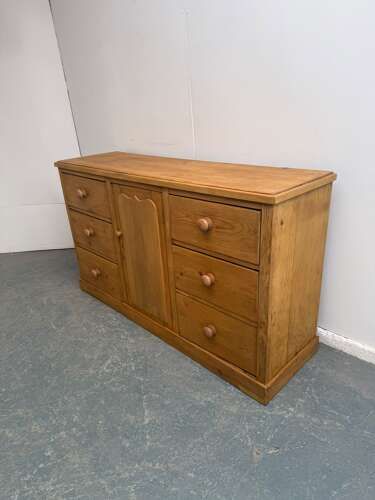


Country Farmhouse Cupboard
A country farmhouse cupboard brings honest utility and vernacular character to an interior.
Country Farmhouse Cupboard
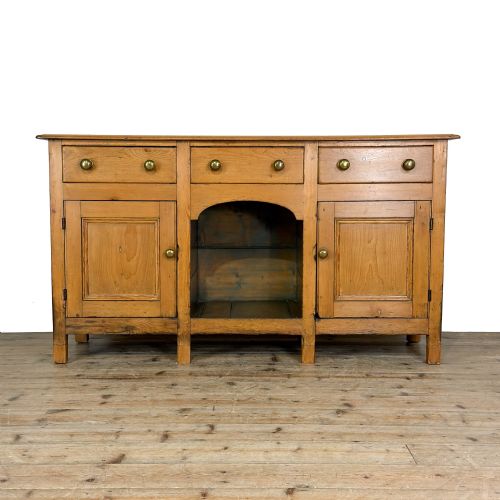
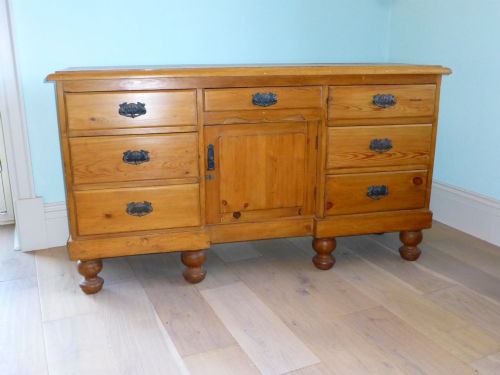
When you search for a country farmhouse cupboard, you are looking at utilitarian storage furniture rooted in rural domestic life. These pieces include kitchen cupboards, corner cupboards, linen presses, and dresser bases created for everyday storage and food preparation.
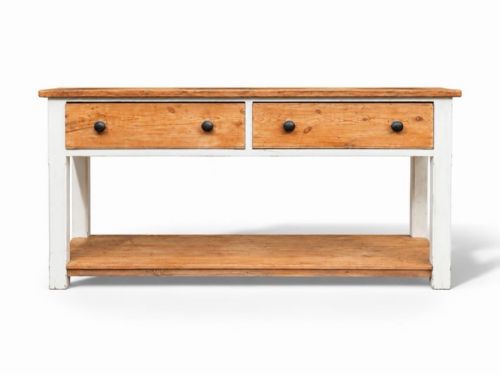
You are most likely to meet 19th-century and Victorian examples on this page, often built in regional British traditions such as English or Scottish country styles. These utilitarian forms range from glazed corner units and two-part kitchen cupboards to scrubbed timber prep tables and dresser bases.
The construction of a country farmhouse cupboard prioritises function over ornamentation, reflecting the practical needs of rural households. Their straightforward lines and honest proportions allow them to sit easily in modern kitchens and living spaces alike.
How they were made
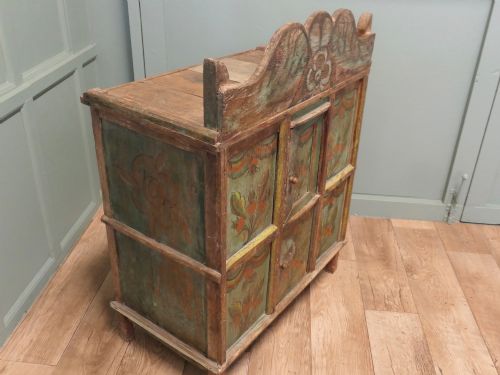
Makers relied primarily on native timbers such as pine, ash, and oak, selecting softwood for general cabinetry and harder woods where greater strength was required. Surfaces were frequently left untreated, waxed, or finished in original paint that has worn down through decades of domestic use.
Assembly methods relied on traditional joinery techniques suited to sturdy, hardworking furniture intended for daily use in farmhouses and dairies. Brass and iron hardware, including hinges and drawer pulls, secured doors and drawers while adding functional detail.
Country Farmhouse Cupboard Retail Price Guide 2026
Typical asking prices for country farmhouse cupboard among the pieces listed under this phrase on Sellingantiques today, from the lower quarter to the upper quarter. They describe what is for sale here now, not the wider market.
Dairy dressers retain the faint, lingering aroma of generations of butter-making and cheese storage.
What varies in quality
Quality in these rural pieces rests on the integrity of the original construction and the preservation of authentic surface finishes. Pieces retaining their early or original paint surfaces hold particular interest for collectors seeking untouched character.
Proportion and regional vernacular detailing distinguish standard utility items from more resolved examples of country craftsmanship. The balance between practical storage capacity and pleasing structural proportions determines the standing of an individual piece.
The Country Farmhouse Cupboard Glossary
- Dresser base
- A low sideboard or cabinet featuring drawers and sometimes cupboards beneath a flat top surface, originally used for food preparation and serving. These pieces often lack the upper plate rack associated with taller dresser formats.
- Linen press
- A tall storage cabinet traditionally designed for folding and storing household textiles and bedding. Upper sections typically enclose sliding trays while lower compartments provide deeper drawer storage.
- Corner cupboard
- A specialised storage cabinet constructed with an angled back designed to fit neatly into the corner of a room. These units frequently feature glazed doors in the upper section to display domestic wares.
- Vernacular
- Architecture and furniture design created by local makers using traditional regional methods and available materials without formal academic styling. This approach gives rural pieces their distinct local character.
- Original paint
- The initial surface coating applied to a piece of furniture which has survived largely intact through its working life. Collectors prize untouched painted surfaces for the visual history they record.
Country Farmhouse Cupboard: Frequently Asked Questions
What rooms suit a farmhouse cupboard?
These versatile storage pieces integrate naturally into kitchens, dining rooms, and hallways where practical shelving and surface space are useful. Their straightforward proportions allow them to anchor both contemporary and traditional interior schemes without overwhelming the room.
Smaller corner units fit easily into unused angles, while dresser bases and two-part cupboards provide substantial storage for tableware and provisions.
How do I care for antique pine furniture?
Maintain waxed pine surfaces with occasional applications of traditional beeswax to nourish the timber and preserve its soft lustre. Avoid placing these pieces in direct sunlight or close to heat sources to prevent the wood from drying out.
Keep painted surfaces clean using a soft, dry cloth rather than harsh cleaning agents that might damage the historic finish. Regular gentle care ensures the timber remains stable and retains its character.
Are these cupboards suitable for daily use?
Practical utility defined the original purpose of these cupboards, making them well-suited for everyday storage in modern homes. Sturdy timber construction and solid drawers handle modern demands just as they did in nineteenth-century farmhouses.
Internal shelving provides dependable organisation for pantry items, linens, or daily kitchen equipment. Their robust build ensures they continue to function reliably as working furniture.
How can I tell regional styles apart?
Regional differences often appear in the choice of native woods and subtle variations in construction details. Scottish vernacular pieces can display distinct proportions and timber selections compared to English country equivalents.
Examining the hardware, backboards, and secondary timbers helps reveal the likely geographical origin of an unmarked piece. These local building traditions reflect the materials available to makers in specific rural areas.