


Country Ash Furniture
Country ash furniture brings together sturdy vernacular seating and utilitarian tables shaped by regional makers across the eighteenth and nineteenth centuries.
Country Ash Furniture
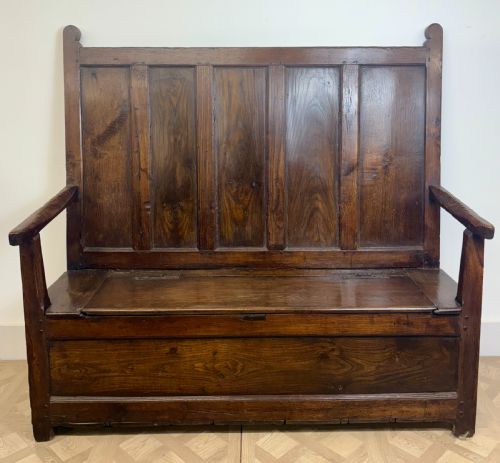
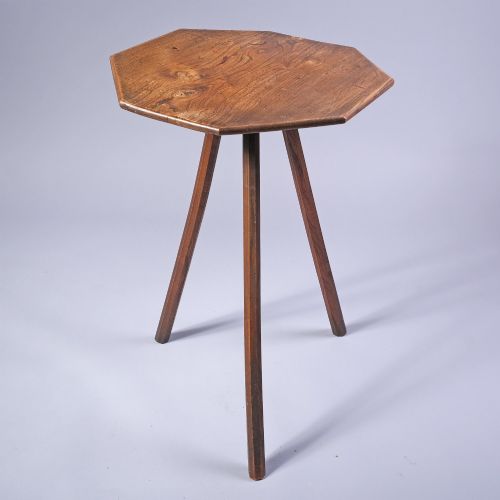
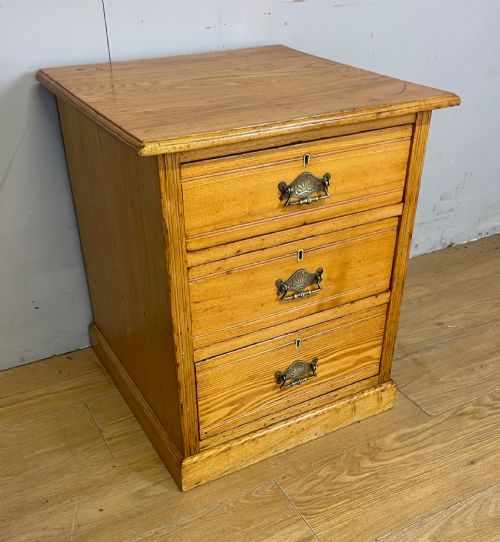
Country ash furniture comprises utilitarian seating, sturdy tables, and small storage forms shaped by regional makers during the eighteenth and nineteenth centuries. These domestic and rural pieces served daily household and working needs rather than formal parlour display.
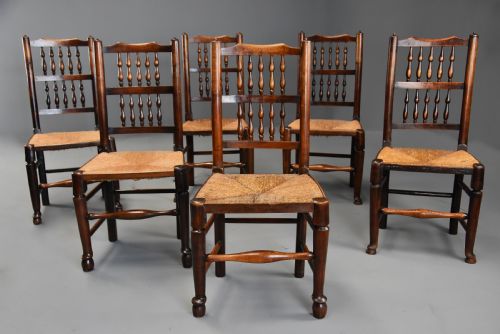
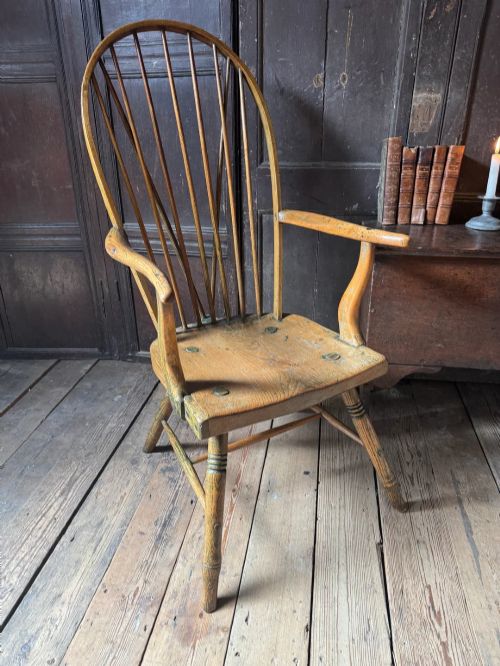
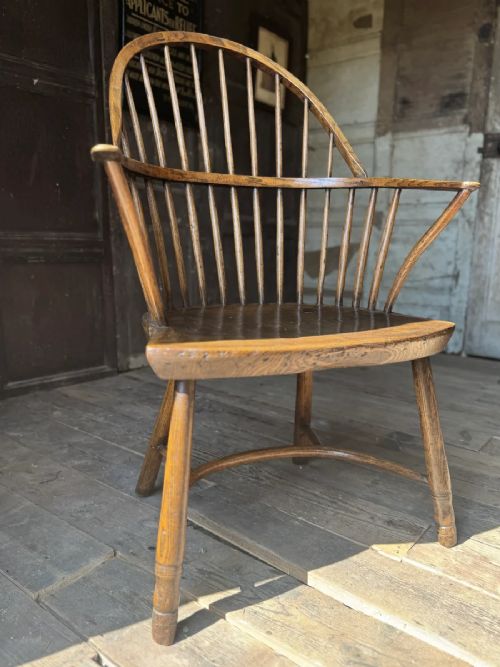
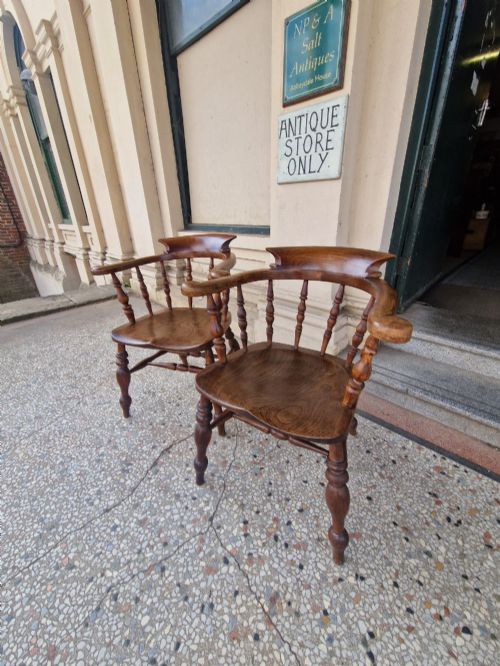
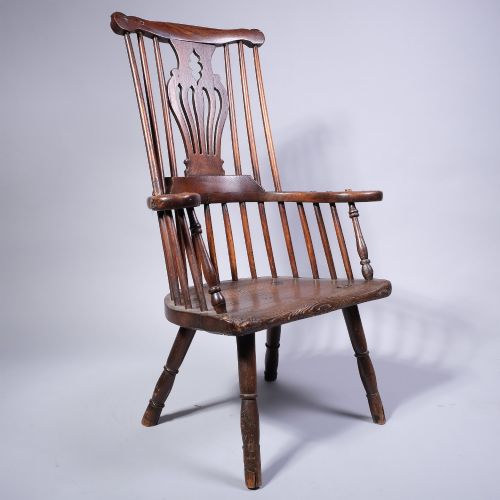
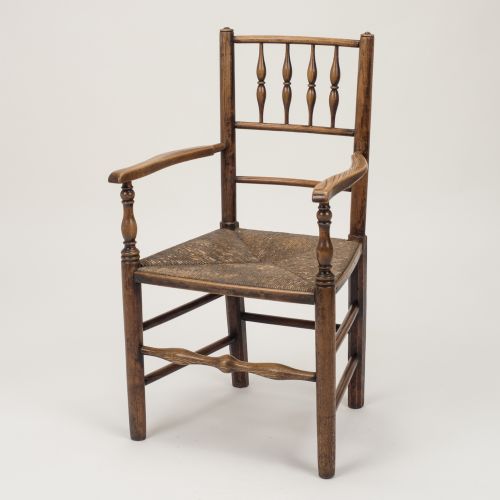
Windsor armchairs, spindle-back dining chairs, and three-legged dairy or milking stools dominate the forms seen here. Makers built these objects using local timber resources, resulting in robust constructions intended for sustained, heavy use.
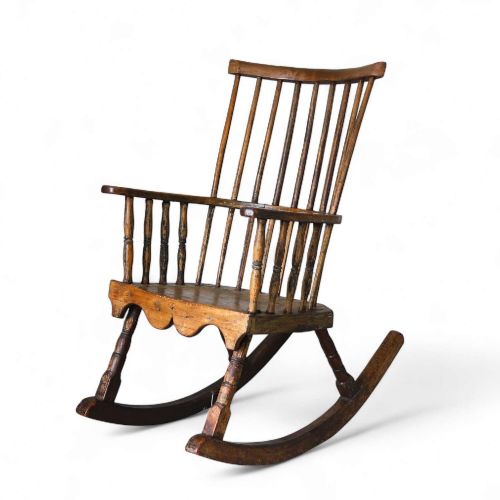
Regional variations span West Country, Welsh, Irish, and Scottish workshops, displaying distinctive stick-back, comb-back, and low-back structural traditions. Surviving examples range from plain vernacular stools to high hoop-back armchairs.
Materials and Methods
Makers combined ash for flexible bent components and structural framing with elm for solid, split-resistant seats. Beech, sycamore, oak, fruitwood, and yew occasionally supplemented these primary timbers in turned spindles and legs.
Green woodworking techniques utilised unseasoned timber, allowing spindles and legs to shrink tightly into bored seats as the wood dried. Steam-bending shaped continuous hoops and bow backs, secured with wedges and pegged joints.
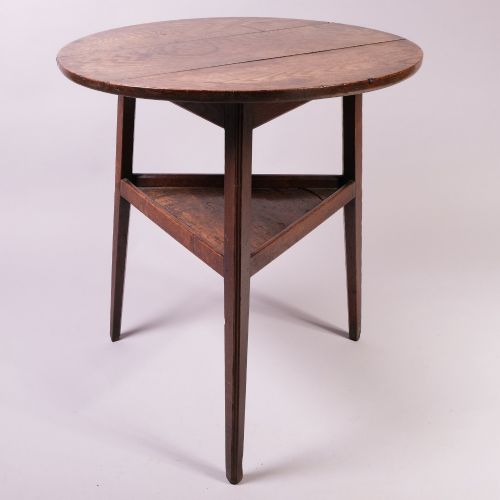
Rush, plaited straw, and súgán provided seating surfaces on specific chairs, while tables relied on straightforward pegged tenon joints and turned legs. Iron and brass fastenings appear sparingly, mostly as structural reinforcement or later repairs.
Several miniature child's potty chairs survive, proving that rural toddlers sat in proper Windsor comfort too.
Assessing Quality and Character
Quality rests in the harmony of timber selection, such as the deliberate pairing of an figured elm seat with strongly grained ash legs and hoops. Well-balanced proportions and comfortable saddle-shaped seat cavings distinguish finer seating from stiffer, utilitarian forms.
The integrity of the original construction, including tight joints and minimal replacement of turned spindles or stretchers, separates standard survivals from heavily restored pieces. Evidence of long use manifests as a warm surface sheen rather than structural compromise.
The Country Ash Furniture Glossary
- Windsor chair
- A chair built with a solid wooden seat into which the legs, back sticks, and bow are separately inserted. This method created robust seating widely produced across English rural workshops.
- Comb-back
- A Windsor chair variant where the top of the stick-back passes through a horizontal headpiece, resembling the teeth of a comb. This regional form offered sturdy head support.
- Súgán
- A type of plaited straw or hay rope used to weave rustic seating surfaces. Irish country chairs frequently utilised this pliable material for domestic use.
- Crinoline stretcher
- A curved metal or wooden brace linking the legs of a chair to provide lateral stability. It earned its name from its fancied resemblance to Victorian hoop skirts.
- Vernacular
- Objects designed and built by local tradesmen for practical function rather than academic architectural style. These pieces relied on traditional regional methods passed through generations.
Country Ash Furniture: Frequently Asked Questions
What is country ash furniture?
Country ash furniture consists of domestic and utility items built by regional makers using ash combined with elm, oak, and other native woods. These practical forms served everyday rural life.
Items range from Windsor armchairs and spindle-back dining chairs to small tables, stools, and child's high chairs.
How do I date country ash pieces?
Dating relies on observing construction methods, tool marks, wood patination, and stylistic shifts between Georgian and Victorian vernacular designs. Earlier eighteenth-century pieces often display broader proportions and simpler turned elements.
Mid-to-late nineteenth-century examples incorporate factory-turned components alongside traditional hand-shaping techniques.
Where were these pieces made?
Regional workshops across England, Wales, Scotland, and Ireland produced these furnishings using locally available timber. West Country, Yorkshire, and Welsh items often display distinct regional traits in their back construction and leg positioning.
Makers utilised whatever wood grew nearby, leading to varied timber combinations within single chairs.
How do I care for antique ash furniture?
Keep ash furniture away from direct heat sources and sudden humidity changes to prevent timber splitting or joint shrinkage. Apply traditional wax polish sparingly to maintain the surface sheen.
Avoid modern liquid cleaners or silicone polishes that can degrade the historic finish over time.