


Cottage Kitchen Chairs
Cottage kitchen chairs bring honest, utilitarian charm to a room, offering sturdy wooden seats and traditional regional forms built for daily domestic life.
Cottage Kitchen Chairs
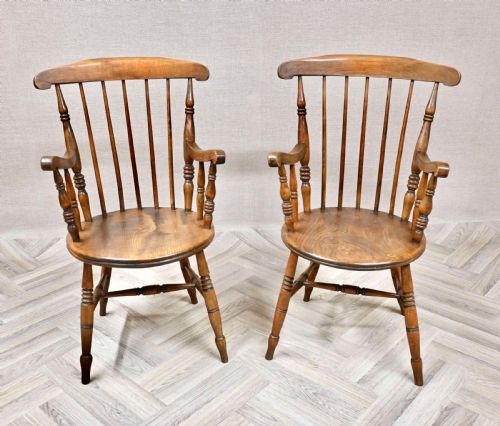
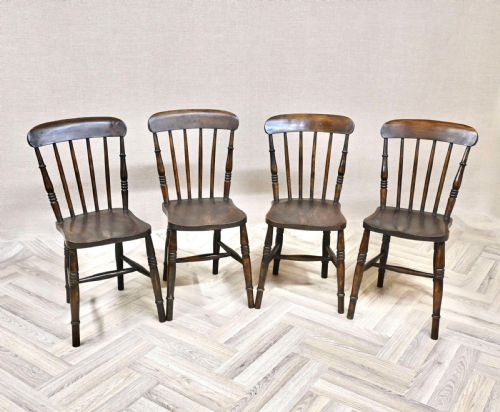
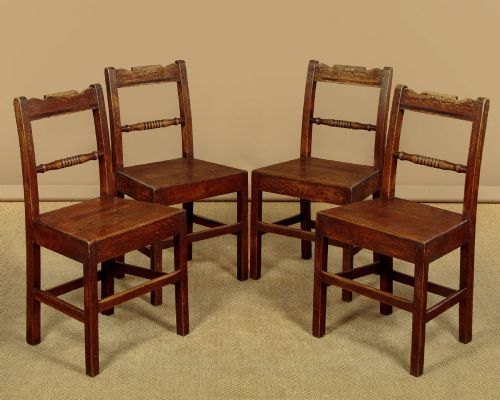
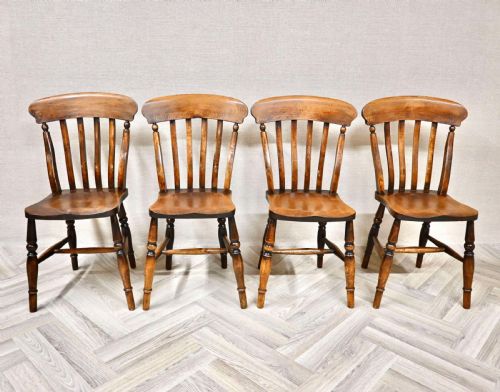
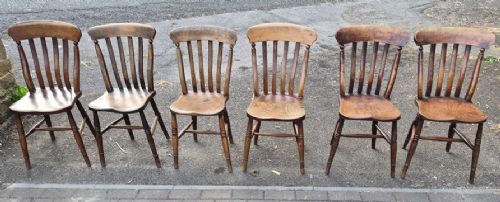
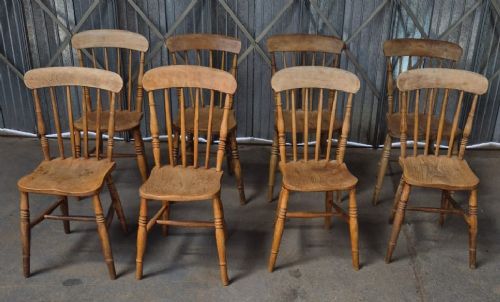
When you search for cottage kitchen chairs, you encounter solid wooden seating originating primarily from the Victorian era and the nineteenth century, alongside occasional Georgian examples. These pieces span English and Victorian country styles, appearing singly, in pairs, and in larger matched or harlequin sets suited for dining use.
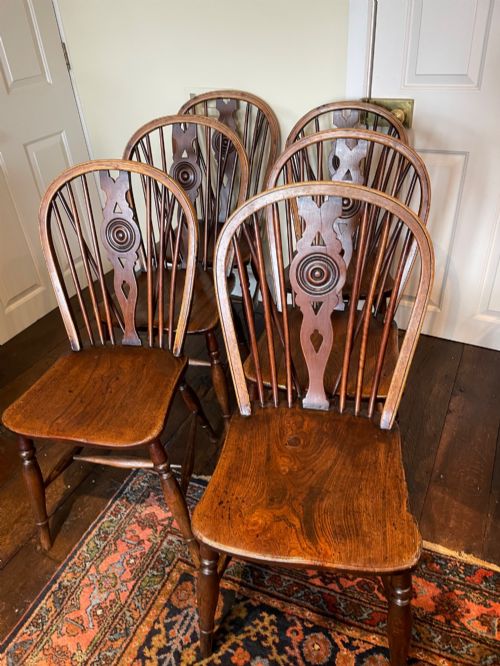
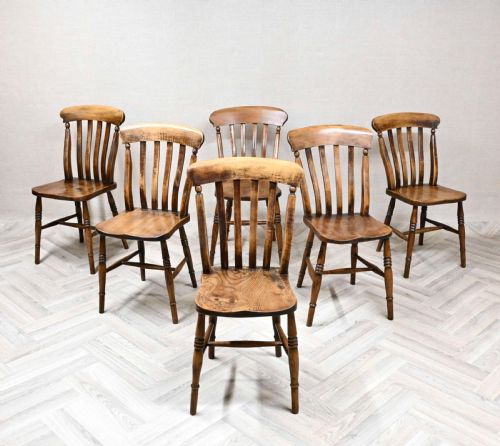
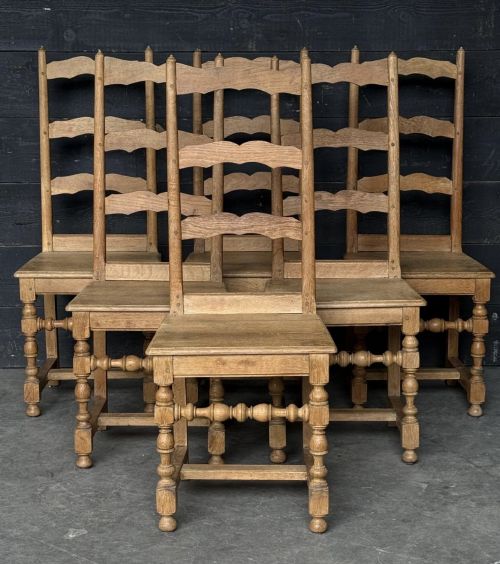
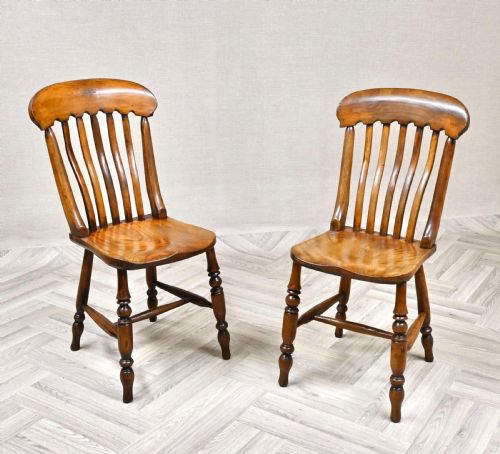
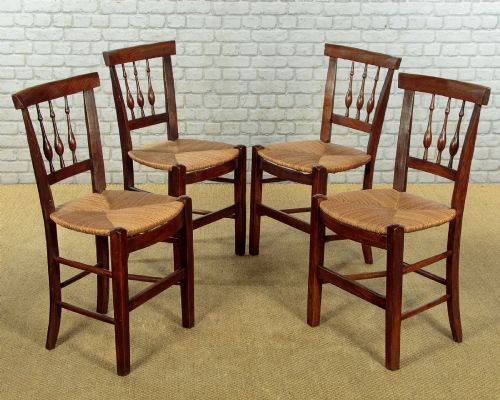
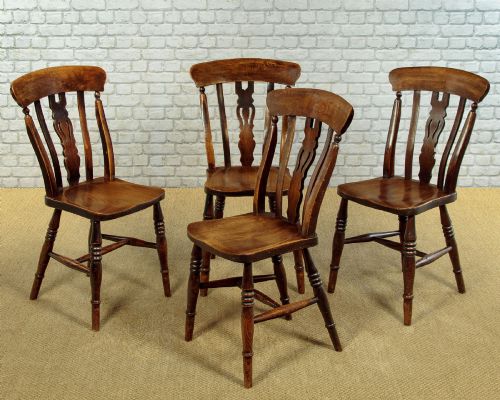
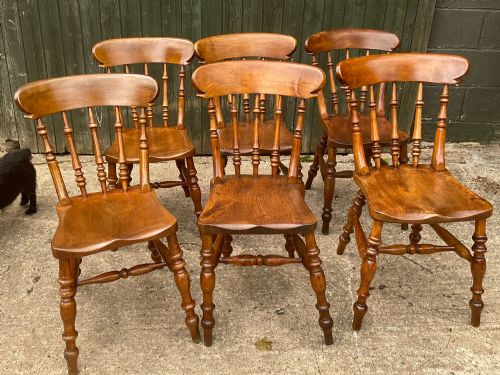
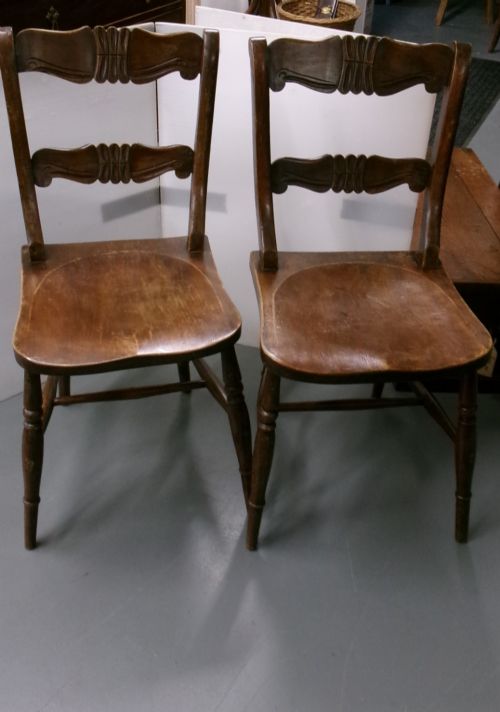
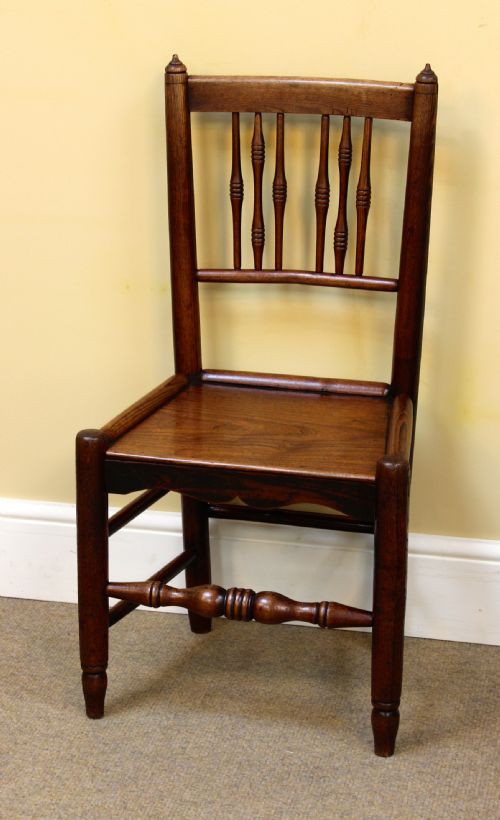
The forms encompass regional variations such as Thames Valley stick backs, Windsor lathbacks, wheel backs, ladderbacks, and spindlebacks. Many pieces incorporate rush or plain wood seats, reflecting the practical needs of rural and provincial homes over successive generations.
Materials and construction
Construction relies heavily on native timbers, predominantly combining elm for solid seats with ash or beech for turned spindles, legs, and steam-bent rails. Hardwood, pine, and oak also appear across various frames, joined through traditional pegged and wedged methods designed to withstand heavy daily use.
Some examples feature rush seating woven tightly over wooden frames, while others utilise scumbled surface finishes to imitate more expensive timbers. The combination of these native woods and vernacular techniques creates the characteristic strength and resilience of country seating.
Cottage Kitchen Chairs Retail Price Guide 2026
Typical asking prices for cottage kitchen chairs among the pieces listed under this phrase on Sellingantiques today, from the lower quarter to the upper quarter. They describe what is for sale here now, not the wider market.
Some chairs bear scumbled paint intended to trick visitors into thinking a humble pine frame was actually expensive exotic hardwood.
Assessing quality and character
Quality in these pieces rests upon the integrity of the timber, the grace of the turning, and the harmony of a set rather than pristine uniformity. Harlequin sets show subtle variations in height and profile that reflect how rural dining groups evolved organically over time.
The distinction between standard models and superior productions, such as designated best model chairs, lies in the balance of the proportions and the careful selection of figured elm for the seats. Superior examples maintain tight joints and well-defined turnings despite decades of service in farmhouse kitchens.
Worksop
The Cottage Kitchen Chairs Glossary
- Harlequin set
- A collection of dining chairs that share a similar style, period, or region but were not originally made as a single batch. These matched groups often bring varied character to a dining table.
- Lathback
- A chair back featuring several flat wooden slats, or laths, set vertically between the top rail and the seat. This design offers robust support and relates closely to Windsor traditions.
- Scumbled
- A decorative paint technique used to simulate the grain of more costly woods like oak or mahogany over a simpler softwood base. It was a popular method for enhancing plain furniture.
- Stick back
- A seating form where slender turned wooden spindles are inserted directly into a solid wooden seat and secured to a bentwood top rail. It represents a cornerstone of English country vernacular design.
Cottage Kitchen Chairs: Frequently Asked Questions
What defines cottage kitchen chairs?
These pieces are utilitarian wooden seats produced during the nineteenth and early twentieth centuries for domestic use. They emphasise functional construction using native timbers like elm, ash, and beech.
Regional variations include stick backs, Windsor lathbacks, and ladderbacks. They range from single pieces to large dining sets shaped by rural traditions.
How do I care for rush seats?
Rush seats require a dry environment and gentle cleaning to preserve the natural fibres. Avoid excessive moisture, which can cause the twisted sedge to weaken and snap over time.
Applying occasional light wax to the wooden frame helps maintain the finish without harming the woven seating area. Regular dusting keeps grit from wearing down the natural plant material.
Are harlequin sets mismatched?
Harlequin sets consist of chairs that share identical styles, periods, or construction methods but were gathered together rather than turned out as a single workshop batch. They offer a cohesive appearance while displaying subtle individual variations in turning and grain.
This grouping method reflects how rural households historically acquired and expanded their dining furniture over many years.
How are elm and ash used together?
Elm provides a tough, interlocking grain that resists splitting, making it the preferred choice for solid, dished wooden seats. Ash and beech offer high tensile strength and flexibility, rendering them ideal for turned legs, spindles, and steam-bent back bows.
Combining these native hardwoods capitalized on the specific mechanical properties of each tree. This structural synergy allowed makers to build lightweight yet durable seating for everyday kitchen use.