



Cotswold Arts and Crafts Table
These cotswold arts and crafts table pieces bring honest timber and solid construction straight into your rooms.
Cotswold Arts and Crafts Table
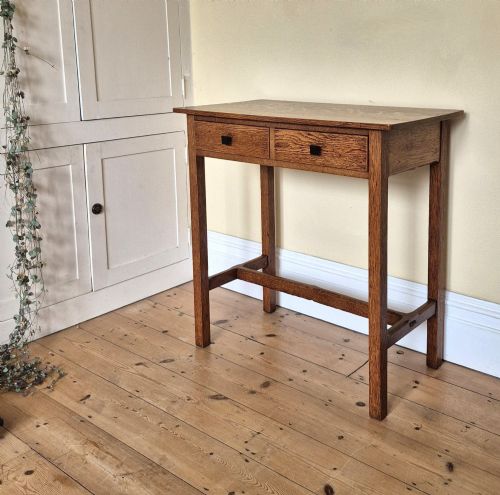
When you search for a cotswold arts and crafts table, you are looking at practical furniture shaped by the early twentieth-century design movement. These items turn up most often as dining tables, side tables, and occasional tables built from sturdy timber.
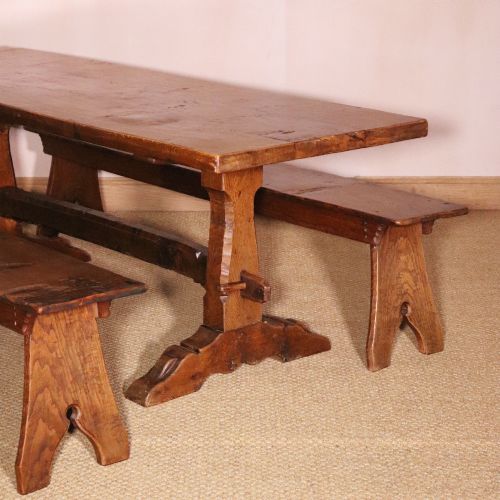
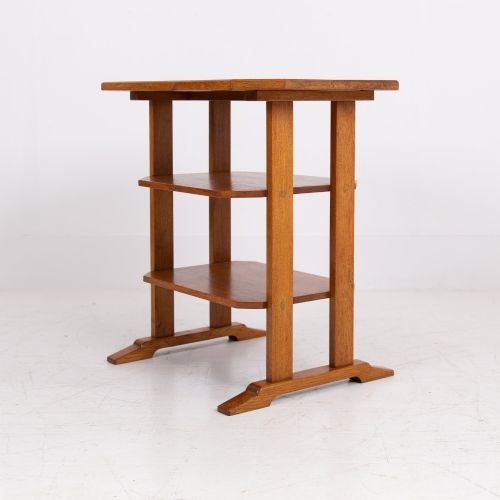
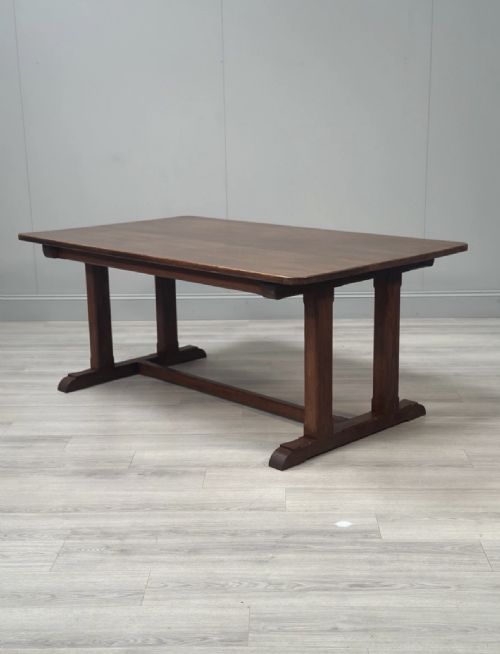
The examples gathered here span the nineteen-hundreds through to the nineteen-forties. You will frequently encounter sturdy oak construction, alongside specific forms like refectory dining tables, drop-leaf designs, and tiered side tables associated with the Cotswold School.
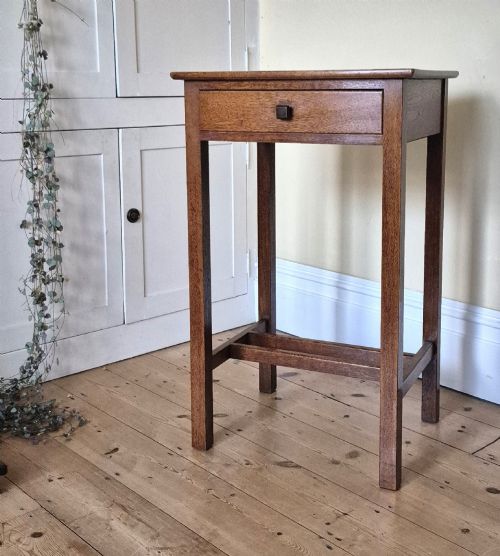
Makers working in this tradition prioritised utility and visible craftsmanship over elaborate decoration. Their pieces range from simple single-drawer occasional tables to larger dining sets complete with matching benches.
How they were made
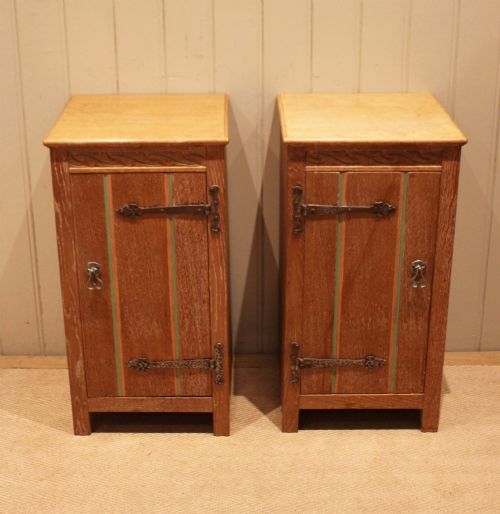
Makers relied principally on solid oak, selected for its strong grain and durability, though rosewood and walnut occasionally appear in the work. Metal details typically take the form of hand-wrought iron, applied for brackets, hinges, and structural support.
Construction techniques focus on honest joinery that exposes the structure of the piece rather than hiding it behind veneer. Timber surfaces are often finished simply, with limed treatments or clear waxes that let the natural grain show through.
Cotswold Arts and Crafts Table Retail Price Guide 2026
Typical asking prices for cotswold arts and crafts table among the pieces listed under this phrase on Sellingantiques today, from the lower quarter to the upper quarter. They describe what is for sale here now, not the wider market.
One occasional table manages to be octagonal, made of rosewood, and stamped with the Cotswold School spirit all at once.
What varies in quality
The standard of a cotswold arts and crafts table rests on the selection of timber and the integrity of the joinery. Pieces that display thoughtful grain matching and careful hand-shaping stand apart from more utilitarian examples.
Attribution also plays a part in distinction, as works linked directly to named workshops or designers like Hubert Simpson carry particular weight. The weight of the timber and the crispness of the hand-wrought ironwork separate standard furniture from finer regional pieces.
Hubert Simpson of Kendal·Jack Grimble
The Cotswold Arts and Crafts Table Glossary
- Cotswold School
- A regional offshoot of the Arts and Crafts movement centred in Gloucestershire. It championed traditional hand-tooling and solid timber construction.
- Refectory Table
- A long dining table traditionally used in communal halls. In this tradition, it is adapted for domestic use with sturdy oak planks and visible trestle supports.
- Limed Oak
- A wood finishing technique that applies a white pigment into the open grain of oak. This lightens the timber while preserving the texture of the surface.
- Drop Leaf
- A table design featuring movable flaps hinged to a fixed central top. It allows the surface area to be expanded or reduced according to space.
Cotswold Arts and Crafts Table: Frequently Asked Questions
What defines a Cotswold table?
These tables are defined by their honest use of solid oak, visible construction methods, and direct lineage from the Arts and Crafts movement. They favour straightforward utility and sturdy proportions over surface ornament.
You will spot them in forms ranging from compact occasional tables to large refectory dining boards, often carrying the simple lines characteristic of regional workshops.
Are these tables suitable for daily dining?
They are built from solid oak and heavy timber, making them exceptionally sturdy for everyday use. Their robust construction handles daily meals and family gatherings with ease.
Refectory and drop-leaf variations offer flexible surface space that adapts well to contemporary dining rooms and kitchens.
How do I care for solid oak?
Solid oak benefits from simple dusting with a dry cloth and occasional treatment with natural wax to nourish the grain. Avoiding direct heat sources and excessive moisture keeps the timber stable over time.
Preserving the original finish requires steering clear of silicone-based polishes that can build up on the wood surface.