





Cornwall Coastal Artwork
Cornwall coastal artwork captures the rugged harbours, fishing luggers and bright Atlantic light of the West Country through the eyes of regional painters.
Cornwall Coastal Artwork
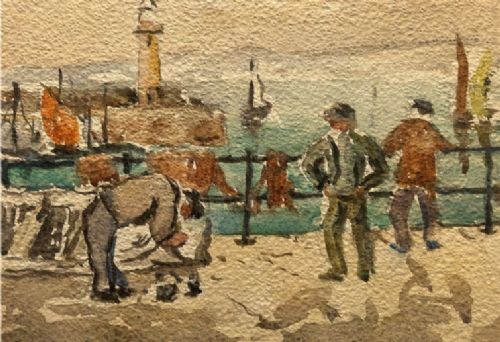
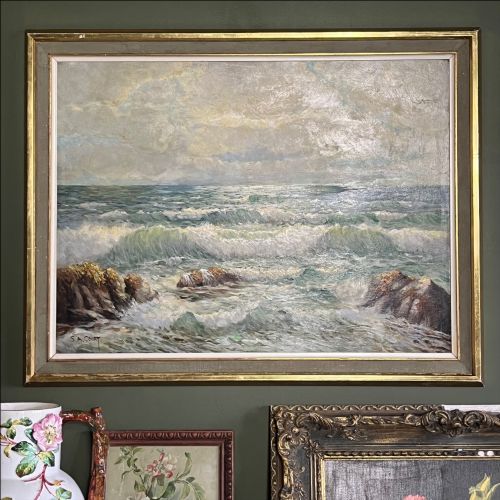
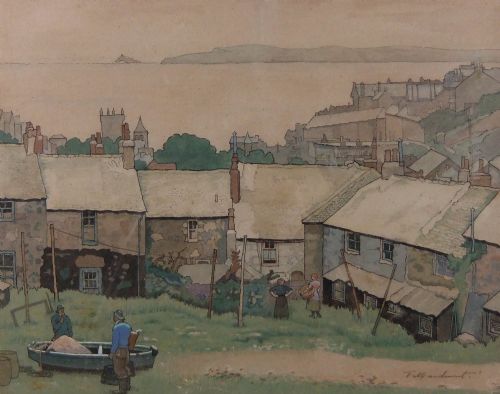
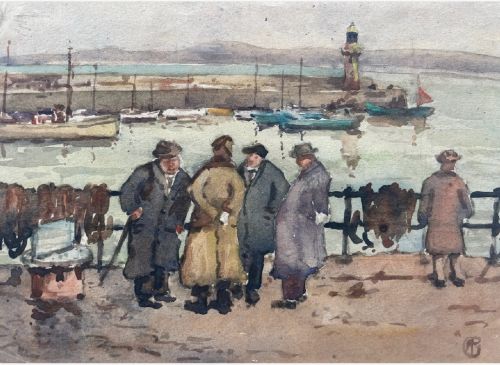
Cornwall coastal artwork encompasses original paintings and watercolours depicting harbours, fishing communities and maritime scenes across the county. The pieces span from the late nineteenth century through to the mid twentieth century, capturing pivotal eras of regional art history. St Ives, Newlyn, Polperro and Mevagissey emerge as the primary locations recorded across the works.
Watercolour on paper and oil paint on canvas are the principal mediums encountered within these listings. Artists frequently worked en plein air to record the distinct illumination and tidal shifts of the Cornish coast. Framed works preserve the historical character of the period alongside the pigment.
The selection reflects significant regional movements, including the Newlyn School and the St Ives School, alongside British Impressionism and Edwardian Realism. Works range in scale from intimate depictions of harbour walls to broad maritime vistas involving trawling luggers and tall ships.
How they were made
Artists applied oil paint to canvas or wood panels, often building texture with loaded brushes to capture the movement of sea and wind. Watercolours were painted on paper using fluid washes and careful pigment application to render bright coastal light and wet harbour stones. Pastels were also utilised for softer atmospheric effects across local cliffs and quaysides.
En plein air methods allowed painters to observe changing weather and light directly on the shore rather than inside a studio. Canvases were secured in gilt wood frames that protected the edges and completed the presentation of the finished maritime scene.
Cornwall Coastal Artwork Retail Price Guide 2026
Typical asking prices for cornwall coastal artwork among the pieces listed under this phrase on Sellingantiques today, from the lower quarter to the upper quarter. They describe what is for sale here now, not the wider market.
Several artists clearly preferred the smell of salt fish over studio comfort, braving wind and tide to record men in heavy overcoats mending nets.
What varies in quality
The strength of a piece rests upon the painter's ability to command atmosphere, handling pigment to evoke salt spray, shifting light and the weight of historic vessels. Works by established figures associated with the Newlyn or St Ives art colonies demonstrate superior handling of tone and composition compared to anonymous topographical records.
Condition and originality dictate the standing of individual items, with untouched surfaces and period framing preserving the integrity of the canvas or paper. Stronger examples display confident brushwork and a distinct sense of place rather than formulaic repetition of popular harbour views.
George F Pennington·Sidney A Court·William Banks Fortescue·Thomas Maidment·Edward Matthew Elliott·Charles Napier Hemy·Richard Harry Carter·Gyrth Russell·George Turland Goosey·William Pitt·Ernest F Hill·Frederick Stuart Richardson·Ralph Todd·Jack R Mould·William Lee Hankey·Walter Sweet·S J Lamorna Birch·Cuthbert Crossley·William Edward Webb·Arthur Joseph Meadows·Henry Scott Tuke
The Cornwall Coastal Artwork Glossary
- Newlyn School
- An artist colony based in the Cornish fishing village from the late nineteenth century onwards, known for naturalistic paintings of local life and working fishermen.
- St Ives School
- A group of artists who worked in and around the Cornish port, encompassing traditional marine painters and later modernists.
- En plein air
- The practice of painting outdoors directly from the subject to capture natural light and transient weather conditions.
- Lugger
- A traditional two-masted fishing boat with standing lug sails, commonly seen in historical Cornish maritime paintings.
- Watercolour
- A painting method in which the pigments are suspended in a water-based solution, applied here to paper surfaces to achieve luminous washes.
Cornwall Coastal Artwork: Frequently Asked Questions
What subjects appear in Cornwall coastal artwork?
The works primarily feature busy fishing harbours, tidal inlets, rugged cliffs and maritime activity such as trawling luggers and moored vessels. Locations like St Ives, Polperro, Mevagissey and Mousehole recur frequently across the compositions.
Painters focused closely on the daily lives of local fisherfolk and the distinct regional architecture surrounding the quays.
How do I identify the period of a painting?
Stylistic clues such as Edwardian realism, Impressionist brushwork or Victorian fine art conventions help narrow down the date of execution. Signatures, artist biographies and framing styles provide further chronological markers.
The medium itself, whether traditional watercolour on paper or oil on canvas, often aligns with the working methods of specific decades between the nineteenth and mid twentieth centuries.
Where were these coastal scenes painted?
Artists travelled specifically to the fishing ports and rugged coastline of Cornwall to record the Atlantic light and maritime trade. Locations such as Mount's Bay, Falmouth harbour and Lamorna provided endless inspiration for visiting and resident painters.
Many of these working communities developed into celebrated artistic hubs during the late Victorian and Edwardian eras.
How should I hang and care for these artworks?
Paintings on canvas and watercolours on paper require protection from direct sunlight and excessive humidity to prevent pigment fading and paper degradation. Maintaining a stable indoor environment preserves the stability of both the support and the original frame.
Glazed watercolours benefit from conservation-grade framing to shield the delicate pigments from atmospheric pollutants.