



Corbeille Bedstead King Size
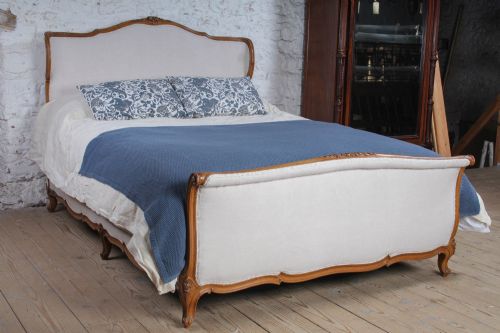
A corbeille bedstead king size brings French chateau character to a bedroom through curved wooden frames and generous upholstered panels.
Corbeille Bedstead King Size
A corbeille bedstead king size combines grand French styling with larger proportions suited to modern sleeping arrangements. These substantial frames emerge from periods spanning the late nineteenth century into the 1930s.
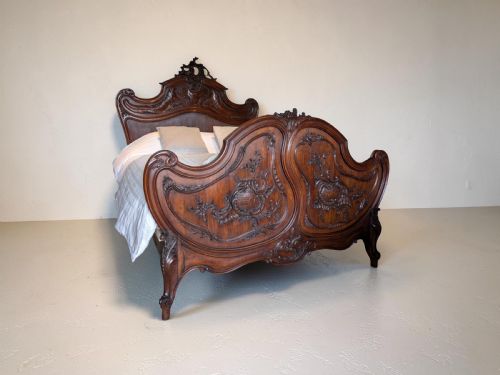
The form draws heavily on traditional French design vocabularies like Louis XV and Louis XVI styles, alongside French Chateau aesthetics. Buyers frequently encounter pieces finished in carved walnut, painted wood, or rosewood.
Bed frames and bedsteads appear alongside related furniture items such as bedside cabinets and matching chairs in the listings. Many examples showcase upholstered elements, ranging from newly applied fabric to original damask textiles.
How they were made
Craftsmen shaped these frames from solid hardwoods including walnut, beech, and rosewood, applying hand-carved details to headboards and footboards. Painted and caned finishes provide alternative surface textures across the structural woodwork.
Upholstery techniques form an integral part of the construction, utilising fabrics such as damask and general upholstery cloth. Brass elements occasionally appear as decorative mounts or structural hardware components.
Corbeille Bedstead King Size Retail Price Guide 2026
Typical asking prices for corbeille bedstead king size among the pieces listed under this phrase on Sellingantiques today, from the lower quarter to the upper quarter. They describe what is for sale here now, not the wider market.
Listings span periods from 1890 to 1930, showcasing materials such as walnut, rosewood, beech, painted wood, and brass.
What varies in quality
The depth and crispness of the hand-carved woodwork distinguish finer examples from simpler production. Carved walnut and rosewood frames with intricate French Rococo or Louis XV motifs represent the higher tier of execution.
The integrity of the structural frame and the quality of the textile finish dictate overall refinement. Retaining original fabric versus receiving newly upholstered treatment alters the character of individual pieces.
The Corbeille Bedstead King Size Glossary
- Corbeille bedstead
- A French bed style featuring a curved, basket-like headboard and footboard that wraps around the mattress. This shape defines the distinctive silhouette of the form.
- Louis XV style
- A decorative aesthetic characterised by asymmetrical curves, natural scrollwork, and floral carving. This style frequently influences the woodwork of these French beds.
- Damask upholstery
- A reversible figured fabric traditionally used for rich interior furnishings and bed coverings. It adds texture and pattern to the upholstered sections.
- Cane
- Woven rattan material used to create light, breathable panels within wooden bed frames. It appears in several painted bed listings.
- Beech
- A dense hardwood utilised for structural elements and concealed framing within antique furniture. Its strength supports large bed constructions.
Corbeille Bedstead King Size: Frequently Asked Questions
What is a corbeille bed?
A corbeille bed is a traditional French bed design featuring curved, rounded ends that resemble a basket. This distinctive shape wraps slightly around the sleepers.
The style originates from classic French decorative periods and provides a prominent focal point in a bedroom.
How do I choose the right size?
Check the internal dimensions of the wooden frame to ensure it accommodates your mattress securely. Antique French sizing can occasionally differ slightly from standard modern measurements.
Account for the curved profile of the headboard and footboard when measuring your available floor space.
Are these beds newly upholstered?
Listings include both frames featuring newly applied fabric and pieces retaining older or original textiles. Fresh upholstery allows buyers to match existing bedroom colour schemes easily.
Original fabric options appeal to those seeking untouched period authenticity.
How do I care for carved wood?
Dust the carved walnut and rosewood surfaces regularly with a soft, dry cloth to prevent dirt accumulation. Avoid harsh chemical polishes that can damage antique wood finishes over time.
Maintain stable room humidity to protect the solid timber and delicate hand-carved details from splitting.