



Copper Watering Pot
These copper watering pot examples bring practical utility and rich period character to gardens and interiors alike.
Copper Watering Pot
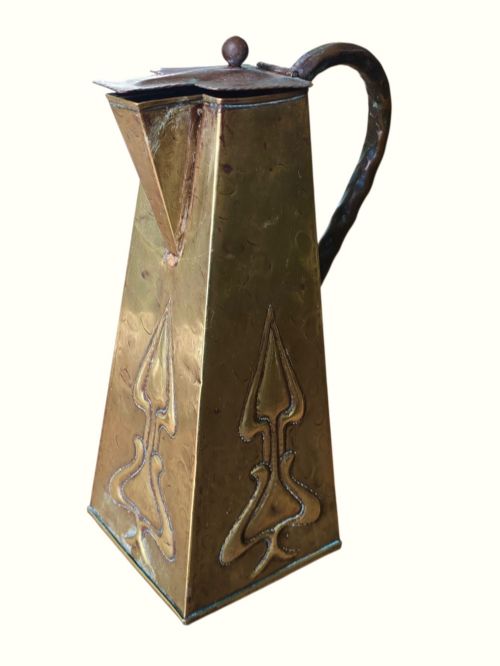
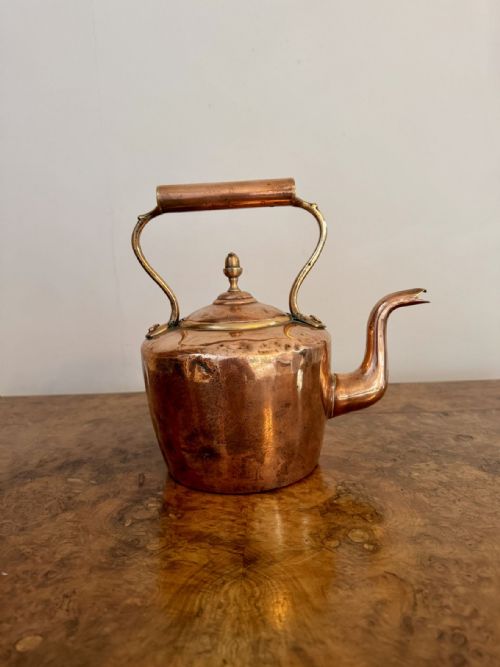
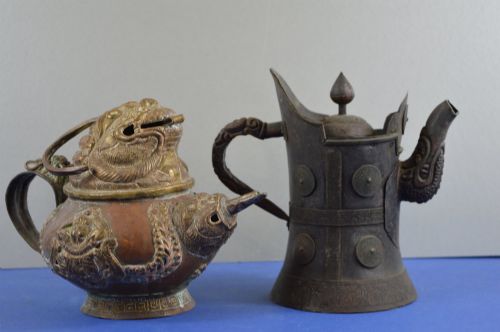
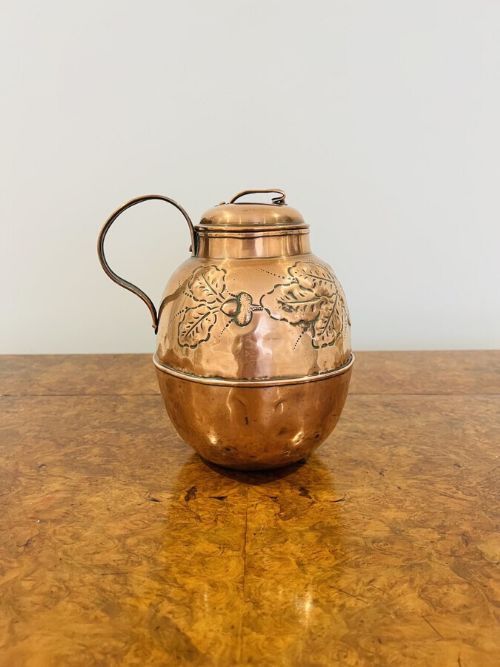
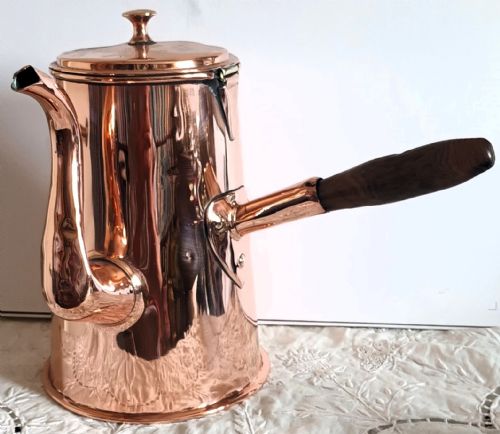
A copper watering pot represents a specialised vessel designed for tending plants with a steady flow and distinct regional form. The selections here encompass sturdy Victorian gardening equipment alongside related historical metalwork such as Kettles, Coffee Pots, Ewers and ritual vessels.
Buyers exploring this category encounter pieces dating from the 18th Century through the Victorian era and 19th Century. British examples from the Georgian and Victorian periods sit alongside French Country, Ottoman, Middle Eastern, and Tibetan traditional pieces.
The primary item matching this precise functional description is the Victorian copper watering can, supported by a wider range of historic containers and pouring vessels in copper, brass, and bronze.
How they were made
Construction relies primarily on hand-beaten copper and tinned copper, frequently augmented with brass fixtures, iron components, and turned wood handles. Metalsmiths shaped these containers through skilled hammering and joining techniques suited to daily utility.
Surface finish varies from plain polished metal to intricate engraved bronze work seen on Middle Eastern and Persian pieces. Makers utilised contrasting metals to reinforce spouts, rims, and handles for lasting durability.
Copper Watering Pot Retail Price Guide 2026
Typical asking prices for copper watering pot among the pieces listed under this phrase on Sellingantiques today, from the lower quarter to the upper quarter. They describe what is for sale here now, not the wider market.
Monks once brewed yak butter tea in vessels sharing the exact same metalworking lineage as your garden watering can.
What varies in quality
Quality rests in the weight of the metal sheet, the integrity of the soldered or riveted joints, and the crispness of any engraved decoration. Heavier gauge copper and robust brass mounts distinguish superior utilitarian pieces from lighter decorative items.
The harmony of proportion between body, handle, and spout dictates visual success, particularly on forms originating from diverse traditions like French Country or Middle Eastern workshops.
William Soutter & Sons
The Copper Watering Pot Glossary
- Tinned copper
- Copper coated on the interior with a thin layer of tin to prevent the metal from reacting with liquids. This traditional lining appears frequently on historic culinary and horticultural vessels.
- Jersey can
- A distinctive tall cylindrical metal pouring vessel originating in the Channel Islands, often utilised for measuring or watering. These cans feature characteristic long spouts and side handles.
- Spirit kettle
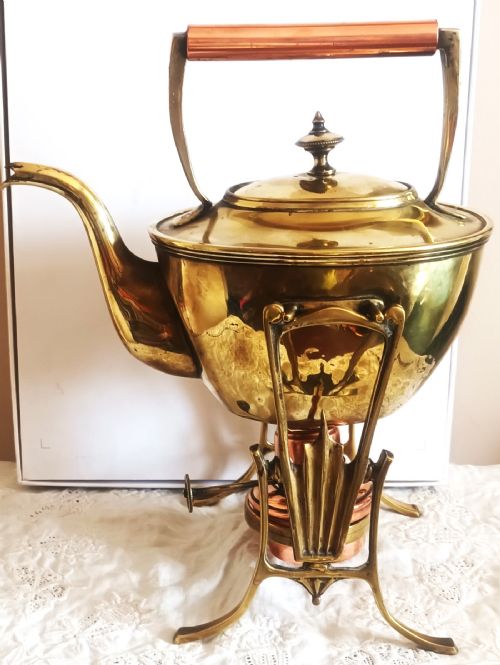
- A portable kettle mounted on a metal stand with an integrated spirit burner underneath for heating water. They are typically fashioned from copper or brass with insulated handle mounts.
- Ritual vessel
- An object created for ceremonial, religious, or traditional practices rather than domestic chores. These pieces often display specialised engravings, iconography, or forms distinct from standard kitchenware.
Copper Watering Pot: Frequently Asked Questions
How do I date a copper watering pot?
Dating relies on examining the construction methods, handle attachments, and stylistic markers consistent with periods like the Victorian era or the 18th Century. Hand-cut dovetailing, early rivet types, and maker stamps offer reliable chronological clues.
Comparing the vessel form to documented domestic metalware helps narrow the decade of manufacture. Patina and wear patterns further corroborate the age of the piece.
Can I use an antique copper watering pot in the garden?
Many historic copper containers remain structurally sound for gentle garden use, provided the interior solder joints hold water securely. Tinned interiors help protect the base metal from active corrosion during watering tasks.
Collectors often prefer to display delicate or highly engraved examples indoors to preserve their surface condition. Regular drying after use prevents mineral buildup inside the vessel.
How should I clean historic copper?
Maintaining these pieces involves gentle washing with mild soap and warm water to remove surface dirt without stripping the historic oxidation. A soft cloth prevents scratching the softer copper and brass surfaces.
Harsh chemical dips strip away the authentic dark patina that collectors value on older metalware. Light polishing with a specialised metal cream suits only bright finishes where appropriate.
What is the difference between a kettle and a watering can?
Kettles feature enclosed lids and spouts designed for boiling liquids over a heat source, frequently incorporating wooden handle grips for safe lifting. Watering cans incorporate open or partially covered tops suited for filling and pouring streams of water.
Historical metalware categories sometimes overlap when makers adapted similar body forms for different household or garden tasks. Examining the placement and bore of the spout clarifies the intended function.