



Copper Washing Copper
These heavy vessels and cauldrons known as copper washing copper bring genuine utility and warmth to modern spaces.
Copper Washing Copper
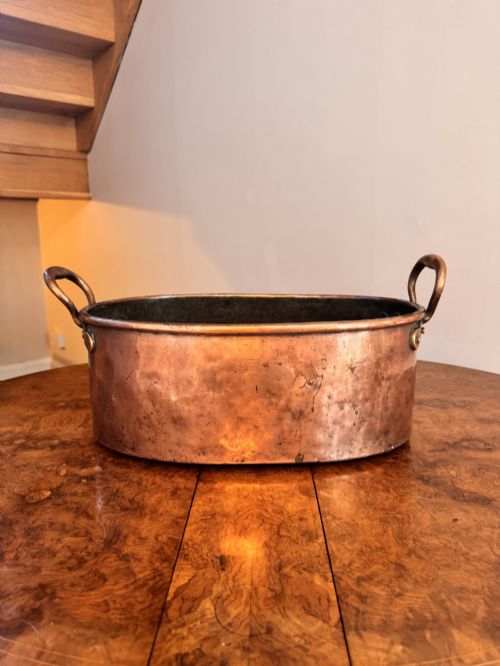
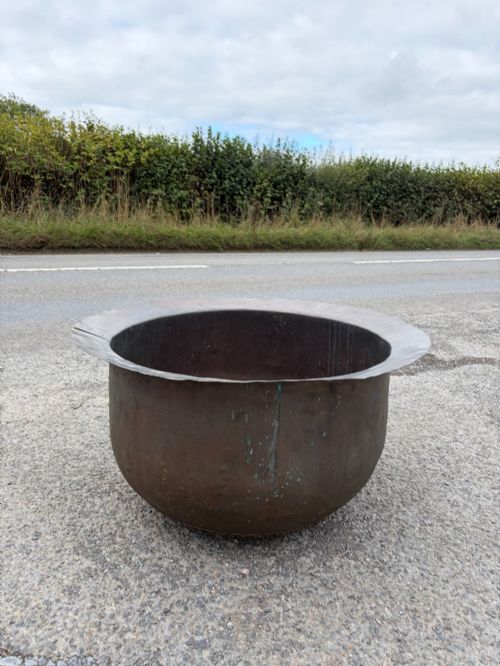
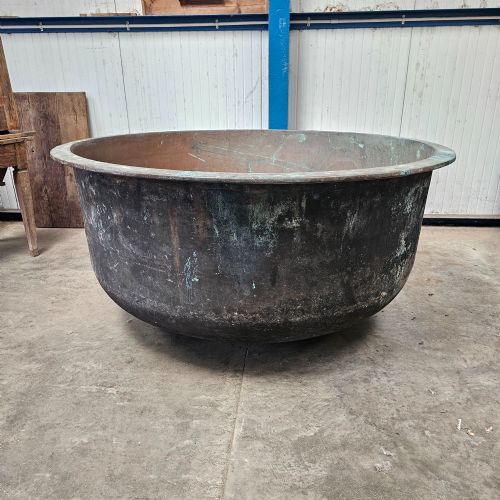
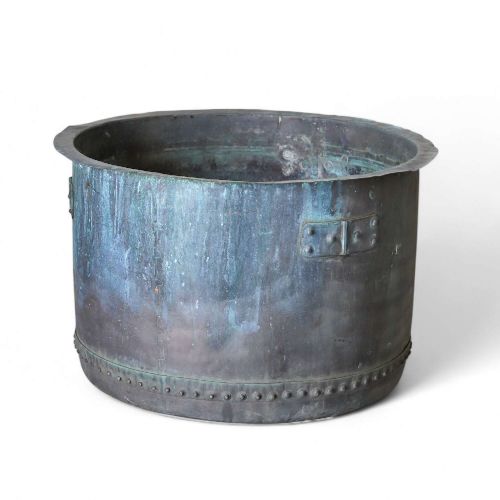
Buyers seeking copper washing copper encounter heavy nineteenth-century metal vessels, cauldrons, boilers, and pans designed originally for domestic labour or agricultural production. These items span Georgian and Victorian periods, reflecting utilitarian roots in English and French country kitchens.
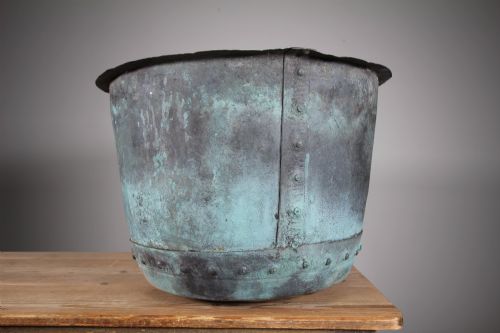
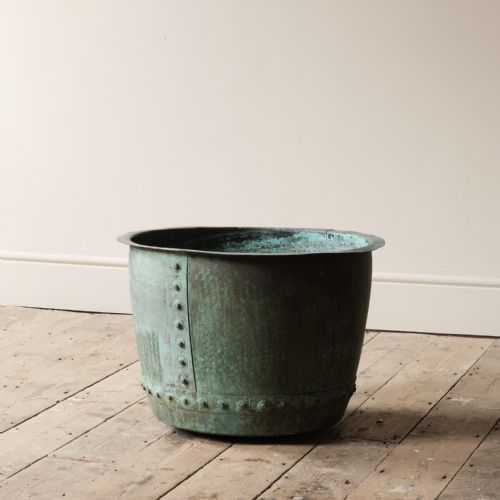
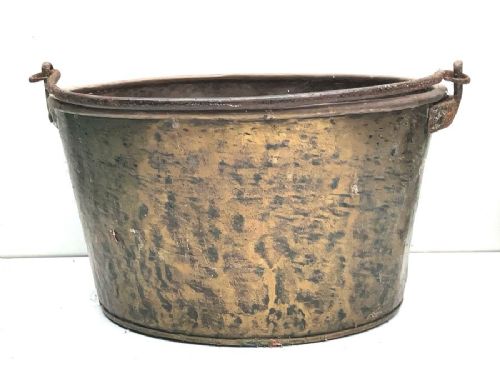
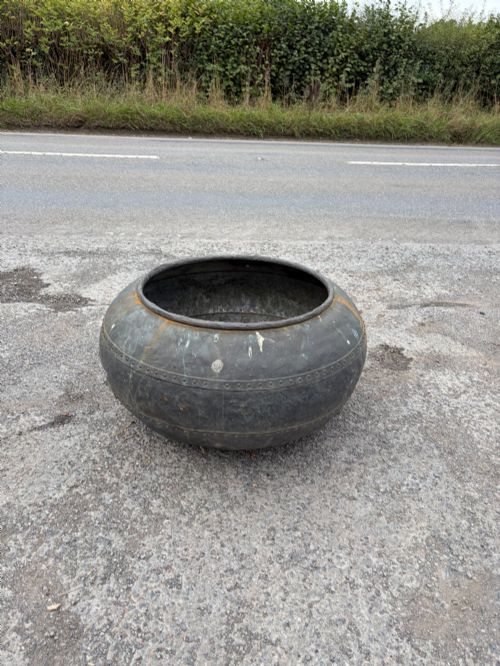
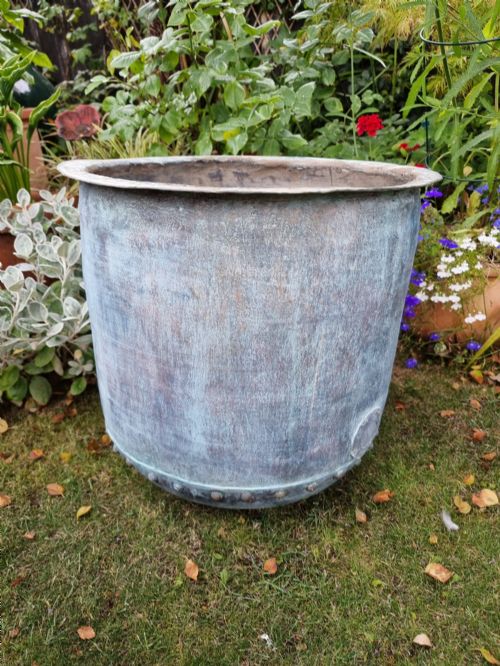
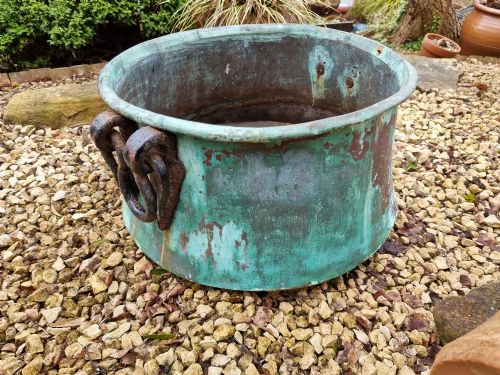
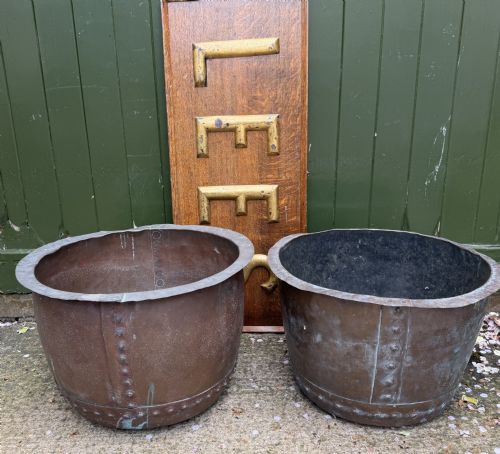
The most common forms found here include large planters, log bins, and garden display pots repurposed from old boiling vessels. Many retain iron handles, rivets, and deep patinas accrued through decades of heavy use.
Materials and construction
Makers formed these heavy vessels from sheet copper, joining seams with hand-driven rivets to withstand intense heat and water. Wrought iron bail handles and strapwork reinforced the rims and bases of larger cauldrons and boiling coppers.
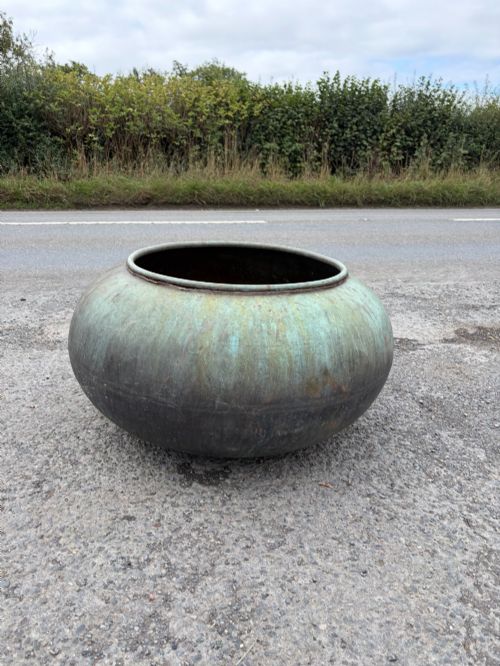
Surfaces developed natural oxidation over time, leaving verdigris finishes and rich patinas that distinguish genuine antique metalwork from modern reproductions.
Copper Washing Copper Retail Price Guide 2026
Typical asking prices for copper washing copper among the pieces listed under this phrase on Sellingantiques today, from the lower quarter to the upper quarter. They describe what is for sale here now, not the wider market.
Several heavy pots retain the soot and scars of real fires from when they boiled laundry over hearths.
Quality factors in heavy metalware
Substance and structural integrity dictate the standing of each piece, measured through the thickness of the hammered metal and the soundness of the hand-formed seams. Heavy gauge copper resists denting and holds a truer shape than thinner utility sheeting.
The survival of original iron furniture, such as swing handles and mounting brackets, adds considerably to historical completeness. Surface character also plays a part, where undisturbed oxidation and honest wear outrank stripped or artificially polished finishes.
The Copper Washing Copper Glossary
- Patina
- The surface layer formed on copper through oxidation and age. This natural film ranges from deep bronze tones to green verdigris.
- Riveted
- Joined together using metal pins hammered flat at the ends. This technique secured heavy seams before modern welding existed.
- Verdigris
- The green crust that forms on copper and brass surfaces over long exposure to moisture. Collectors value this stable weathering for its authentic appearance.
- Cauldron
- A large metal pot with a wide opening and often a swing handle. These vessels were traditionally hung over fires for boiling large volumes.
Copper Washing Copper: Frequently Asked Questions
What were these copper vessels used for originally?
These large vessels served domestic and agricultural purposes such as boiling laundry, heating water, and preparing food in large quantities. Households relied on them for heavy daily chores requiring durable heat-conducting metal.
Over time, many of these utilitarian containers transitioned from working kitchens into decorative settings, finding new life as log bins and garden planters.
How do I clean an antique copper vessel?
Most collectors prefer to leave the accumulated patina and verdigris undisturbed because these surface layers indicate genuine age. Gentle dusting with a dry cloth removes loose dirt safely.
Harsh chemical polishes strip away the historical character and bright red metal highlights that accumulate over centuries of weathering.
Can I use these copper pots outdoors?
Many of these sturdy pots and cauldrons suit garden display or patio planting very well. Copper withstands outdoor elements naturally by developing protective surface oxidation.
Ensure proper drainage if planting directly inside the vessel to prevent standing water from straining historical riveted seams.
How can I tell a nineteenth-century copper pot apart?
Nineteenth-century examples display distinct hand-hammered marks, irregular hand-driven copper rivets, and heavy wrought iron fittings. Machine rolling marks and uniform modern welds indicate recent manufacture.
Examining the weight and thickness of the sheet metal also helps separate older utility ware from decorative reproductions.