




Copper Wash Basin
These copper wash basin examples span the eighteenth and nineteenth centuries, offering heavy metal vessels and earthenware bowls shaped for utility.
Copper Wash Basin
A copper wash basin brings industrial utility and domestic function together, drawing on forms made for washing, cooking, and creaming across the eighteenth and nineteenth centuries. These vessels appear alongside related pans, cauldrons, pots, and pottery basins.
The pieces on this page originate from British, French, and Islamic traditions, spanning Georgian, Victorian, and Art Nouveau styles. Buyers encounter heavy cooking vessels, cream setting pans, and glazed earthenware toilet basins alongside copper bowls.
Many items designed for heavy domestic labour now find new life as garden planters or interior log bins. Their robust construction suits both utilitarian placement and decorative display.
How they were made
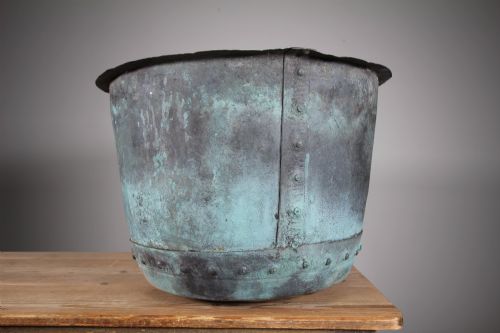
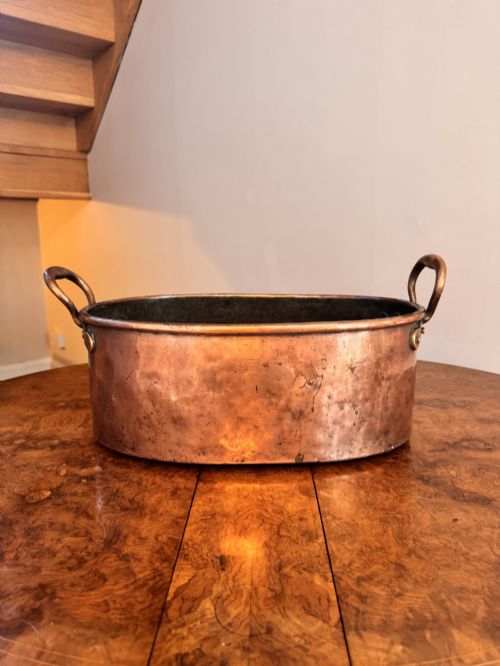
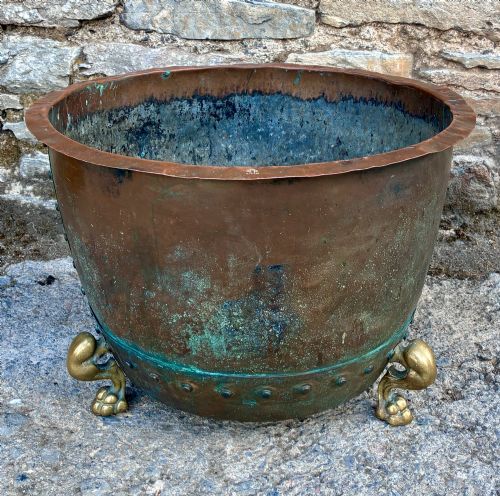
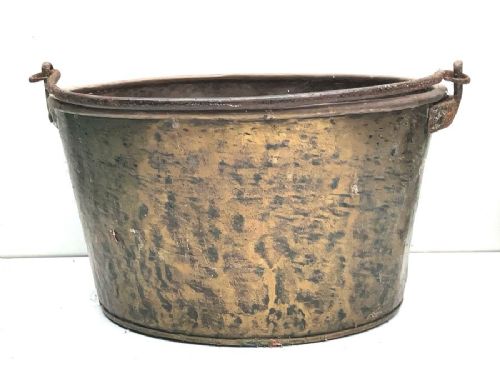
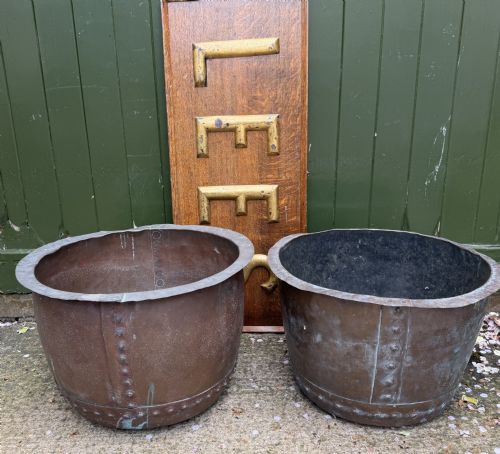
Makers shaped these objects primarily from sheet copper and iron, often joining heavy metal plates with visible rivets. Brass handles, wrought iron fittings, and steel components provide structural support.
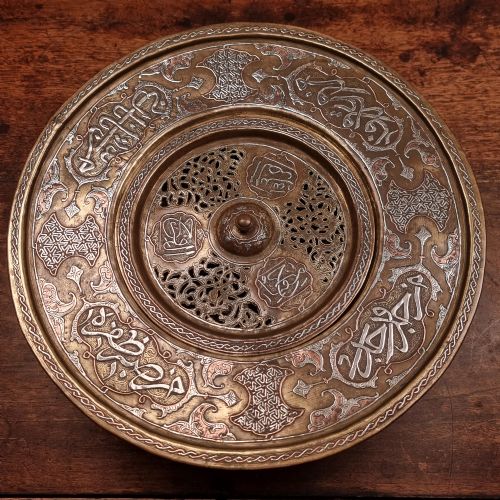
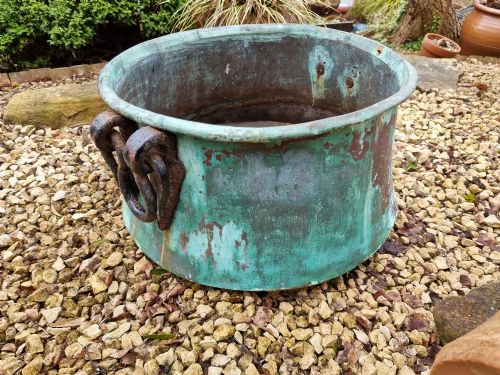
Pottery basins utilise earthenware bodies finished with glaze, while select items incorporate silver inlay or cloisonne enamel decoration. Surface ageing produces natural verdigris and weathered patinas over time.
Copper Wash Basin Retail Price Guide 2026
Typical asking prices for copper wash basin among the pieces listed under this phrase on Sellingantiques today, from the lower quarter to the upper quarter. They describe what is for sale here now, not the wider market.
Several heavy copper vessels spent their early days boiling laundry before retiring to hold firewood by the hearth.
What varies in quality
Quality rests in the thickness of the metal plate and the integrity of the joins. Heavy copper gauges and secure riveting separate robust utility pieces from lighter decorative items.
The character of the surface finish dictates visual appeal, with honest patination and stable verdigris adding depth. Intricate details like silver inlay or specialised ceramic patterns elevate the standing of individual examples.
The Copper Wash Basin Glossary
- Verdigris
- A green patina formed naturally on copper surfaces through atmospheric oxidation. This surface layer signals age and exposure.
- Cream setting pan
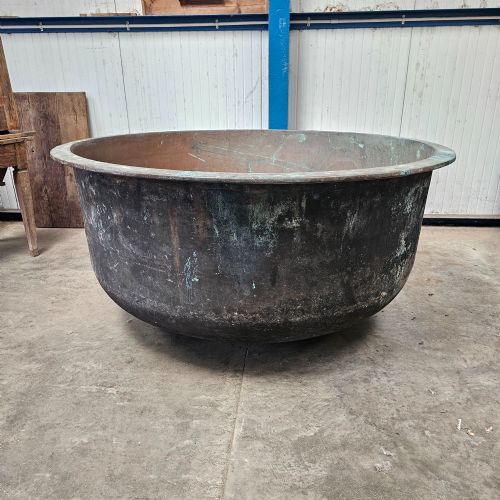
- A wide, shallow vessel used in dairies to let cream rise to the milk surface. These items often feature heavy rolled rims.
- Cloisonne
- An enamelling technique where metal wire forms compartments on a base. Enamel paste fills these spaces before firing.
- Gaudy Welsh
- A type of nineteenth-century pottery decorated with vibrant cobalt blue, copper lustre, and secondary colours. These ceramics typically display bold floral motifs.
Copper Wash Basin: Frequently Asked Questions
How do I clean old copper?
Wash old copper gently with mild soap and warm water to remove surface dust. Avoid harsh abrasives that strip away historical patina and verdigris.
Dry the metal thoroughly with a soft cloth to prevent water spots. Preserving the natural surface honours the age of the piece.
Can I use these outdoors?
Many heavy copper vessels and metal bins adapt well to garden use as planters. The durable materials withstand outdoor conditions while continuing to weather.
Ensure proper drainage if planting directly inside the metal. Porous earthenware pottery basins require protection from freezing winter temperatures.
What is a cream setting pan?
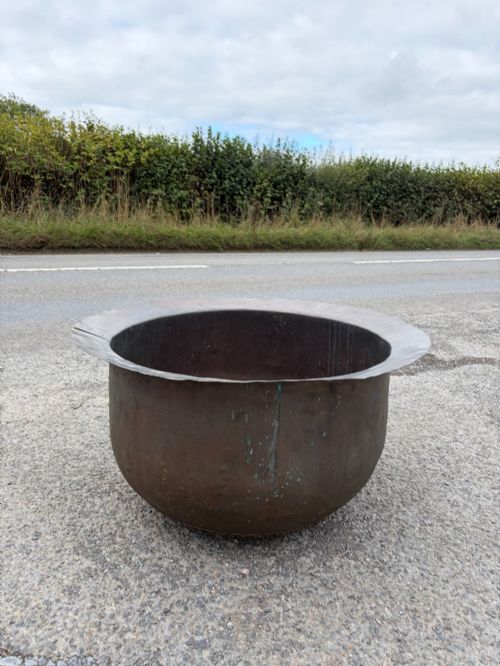
A cream setting pan is a wide, shallow vessel designed for dairy work in past centuries. Milk rested in these wide bowls so cream could separate for skimming.
Their generous proportions and sturdy metal construction make them striking decorative bowls today. They bring industrial utility straight into modern rooms.
How do I date these pieces?
Dating relies on observing manufacturing techniques, material choices, and stylistic markers such as Georgian or Victorian forms. Rivet styles and metal thickness offer clues to production eras.
Comparing items with dated examples in the listings helps narrow down centuries. Maker marks and regional styles provide further chronological context.