


Copper Hearth Log Container
A copper hearth log container brings warmth and practical storage to a fireplace, combining utility with robust metalwork.
Copper Hearth Log Container
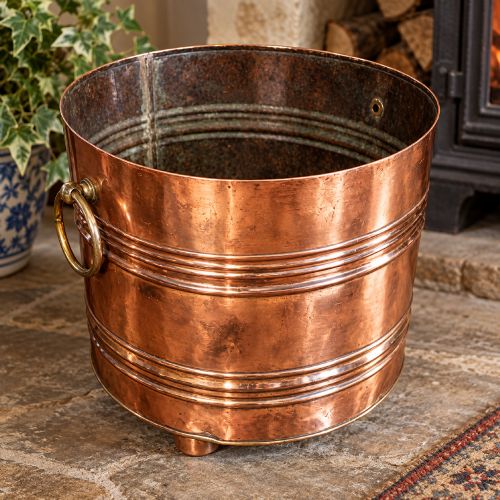
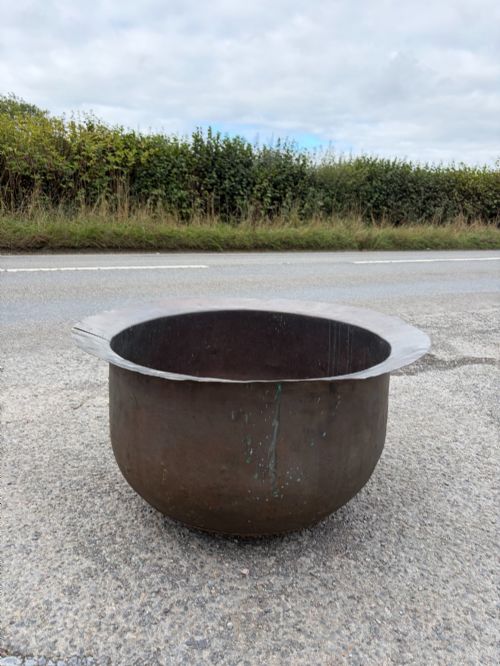
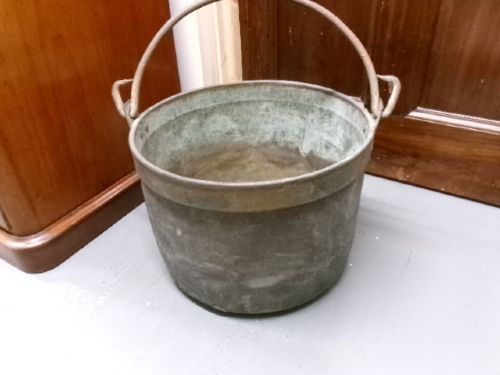
A copper hearth log container serves as a robust receptacle for firewood beside the fireplace, appearing in forms such as buckets, scuttles, bins, and cauldrons. These functional vessels date primarily from the nineteenth century, including Victorian and Edwardian examples, alongside occasional eighteenth-century Georgian pieces.
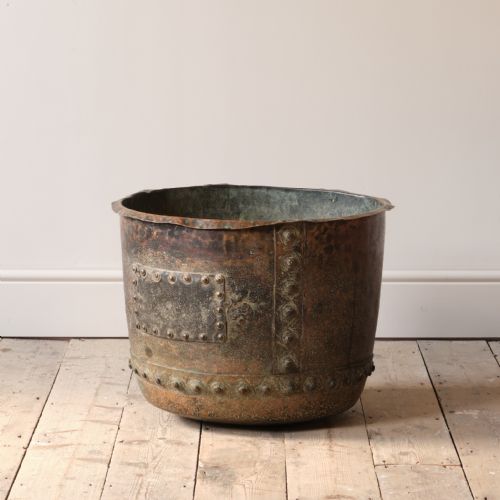
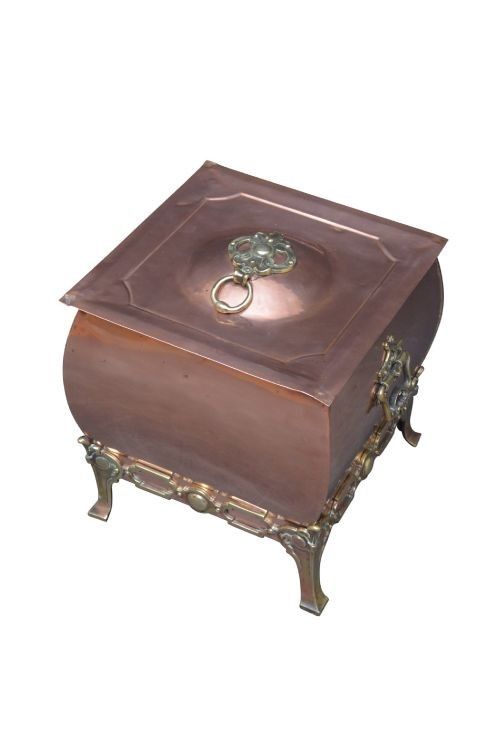
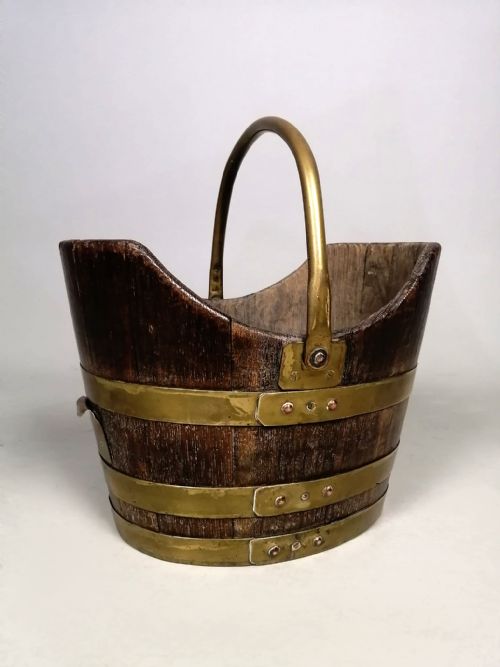
Buyers will encounter various formats, from riveted copper buckets and helmet-shaped coal scuttles to large lidded log bins framed in iron or paired with brass fittings. Many double as planters, reflecting the adaptable nature of these heavy metal vessels in domestic interiors.
How they were made
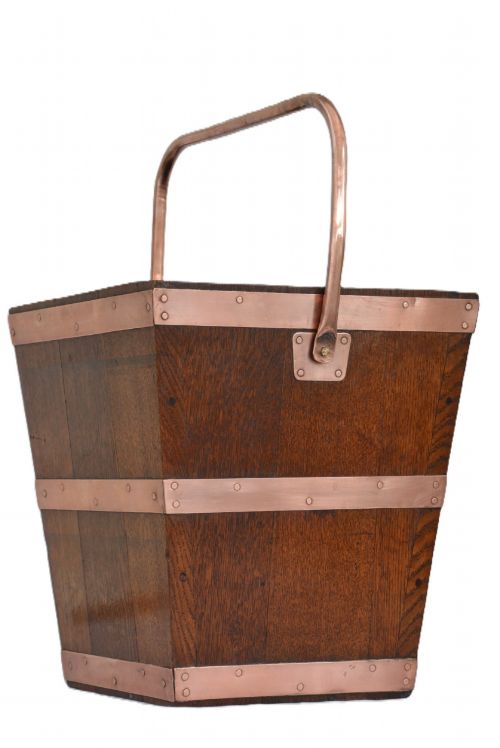
Construction relies heavily on sheet copper joined with visible rivets, often paired with contrasting brass handles, bands, or feet to reinforce the structure. Wrought iron and cast iron frequently provide sturdy frames or swing handles, while oak appears in specific bin and hod designs.
Craftsmen shaped these containers by hand, utilising hammering and riveting techniques visible in Arts and Crafts and Victorian industrial pieces. The combination of durable metals and occasional timber ensured these containers withstood the heavy daily wear of hearth maintenance.
Materials documented across the collection include copper, brass, iron, wrought iron, wood, oak, metal, and tin.
What varies in quality
The distinction between standard utility items and superior examples lies in the weight of the metal and the integrity of the construction. Heavy-gauge copper, substantial brass mounts, and clean, even riveting indicate a higher grade of manufacture intended for affluent households.
Subtleties in proportion, decorative detailing from the Arts and Crafts or Art Nouveau movements, and the preservation of original iron frames or wooden components elevate certain pieces above basic utilitarian coal buckets.
The Copper Hearth Log Container Glossary
- Coal scuttle
- A container designed for holding and carrying coal to the fire, often featuring a shaped mouth or helmet form for easy pouring. These vessels frequently cross over into log storage.
- Cauldron
- A deep, round metal vessel with a swing handle, traditionally used for cooking but adapted for hearth storage. They are typically fashioned from heavy riveted copper.
- Log bin
- A large container built to house firewood beside a hearth, sometimes fitted with a lid or set within an iron frame. They appear in copper, brass, and oak.
- Arts and Crafts
- A design movement emphasising handcraftsmanship and simple, honest construction, visible in the hammered copper surfaces and structural riveting of these containers.
- Helmet scuttle
- A coal bucket featuring a flared rim resembling a classical helmet, designed to direct fuel cleanly into the grate. They are commonly paired with brass swing handles.
Copper Hearth Log Container: Frequently Asked Questions
How do I clean a copper log container?
Maintenance typically requires only a soft cloth to remove dust and preserve the aged patina built up over decades of use. Avoid harsh chemical cleaners that strip the historic surface.
Leaving the natural weathering intact maintains the character of nineteenth-century metalwork, though gentle polishing can highlight the original coppery warmth.
Can these containers hold logs safely?
These vessels were originally built to withstand heavy fuel loads like coal and wood, making them structurally sound for modern logs. Their metal construction handles the friction and weight of firewood with ease.
Placing them directly on hearth stones protects flooring from bark and debris while keeping fuel close at hand.
How do I date a copper hearth piece?
Dating relies on examining construction methods, such as hand-beating marks, the style of the rivets, and associated hardware like brass bands or iron frames. Georgian and Victorian examples display distinct stylistic cues aligned with their eras.
Design motifs from the Arts and Crafts or Art Nouveau movements further help narrow the production period to the late nineteenth or early twentieth century.
Were these always used for fuel?
While primarily designed for coal and logs, many of these sturdy metal vessels served alternative domestic functions or have been adapted as large planters. Their waterproof qualities made them versatile around the home.
Original forms range from dedicated coal buckets to cooking vessels and decorative bins that transitioned between fireside and garden use.