


Copper Hearth Curb
These copper hearth curb pieces bring warmth and texture to a fireplace, offering a practical barrier that defines the hearth.
Copper Hearth Curb
A copper hearth curb sits directly in front of an open fireplace to contain embers and frame the hearth area. Most examples found here belong to the Victorian and Edwardian periods, stretching from the late nineteenth century into the early twentieth century.
The designs span distinct stylistic movements, most notably Arts and Crafts and Art Nouveau. These pieces combine functional metalwork with decorative detailing suited to period interiors.
How they were made
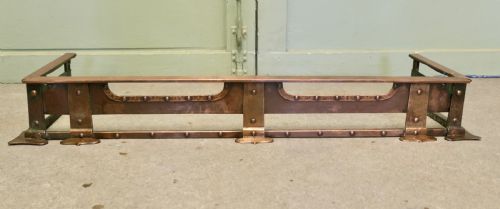
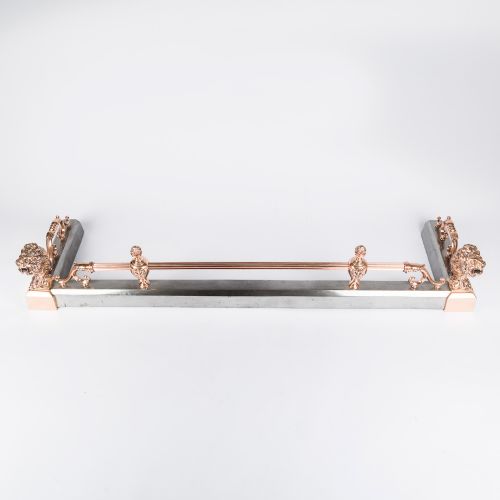
Makers utilised sheet copper combined with iron, steel, or brass to construct the main frame and structural supports. Rivets and beaten surfaces give these items their characteristic tactile quality.
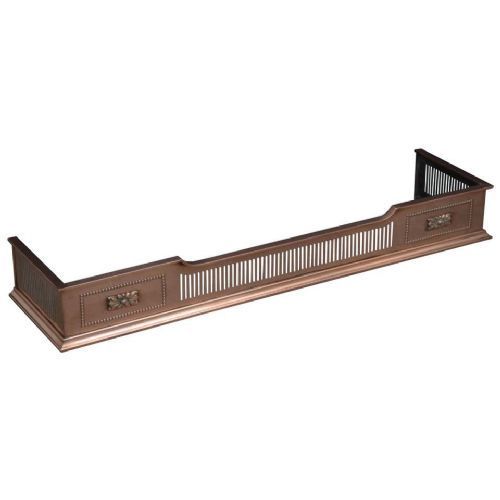
Surface decoration often includes hand-beating, applied flower patera, and beaded motifs. The integration of brass and steel components adds structural contrast to the primary copper body.
The listings on this page span the Victorian and Edwardian eras, uniting copper, brass, iron, and steel within Arts and Crafts and Art Nouveau designs.
What varies in quality
Quality rests on the depth and execution of the metalwork, from plain folded sheet metal to heavy hand-beaten panels with complex riveting. The integration of decorative elements like flower patera shows the maker's skill.
The choice of secondary metals, such as solid brass or robust steel framing, influences the overall substance of the piece. Superior examples display careful joinery and well-preserved surface finishes.
The Copper Hearth Curb Glossary
- Fender
- A low metal guard placed around the hearth to keep coals and ash from spilling onto the floor. It acts as both a safety barrier and a decorative frame.
- Kerb
- An alternative term for a hearth fender or surround, often denoting a substantial border structure. It defines the boundary between the fire and the room.
- Patera
- A circular ornamental motif resembling a dish, frequently carved or pressed into metalwork. They often appear at the corners or central points of Victorian designs.
- Riveted
- Joined together using metal pins hammered flat on either side to secure overlapping sheets. This method provides both structural strength and visual detail.
Copper Hearth Curb: Frequently Asked Questions
How do I clean a copper hearth curb?
Maintenance depends on whether you prefer a polished shine or a deep, aged patina. Light dusting and occasional gentle cleaning preserve the historical surface without removing character.
Avoid harsh abrasive compounds that strip away the original finish. Simple care keeps the metal stable and visually rich.
Will a copper curb fit my fireplace?
These pieces were made in various lengths and depths to suit the standard hearth sizes of their respective periods. Measuring your fireplace opening and hearth perimeter ensures proper placement.
Take into account the projection into the room as well as the internal width between the jambs. Most curbs sit loosely on the floor around the hearth stone.
What is the difference between Arts and Crafts and Art Nouveau styles?
Arts and Crafts designs emphasise honest construction, hand-beaten surfaces, and visible rivets. They celebrate the hand of the maker and traditional metalworking techniques.
Art Nouveau pieces lean towards fluid, organic lines inspired by natural forms, featuring flowing plant motifs and softer curves. Both styles flourished during the Victorian and Edwardian eras.
Are these curbs made of solid copper?
Most examples use copper sheet over a core or frame of iron or steel for stability. Brass and other metals often appear as contrasting details or structural supports.
This construction method provides the necessary weight and durability for daily use around a fireplace. Pure copper sheet alone would lack the rigidity required for a hearth guard.