
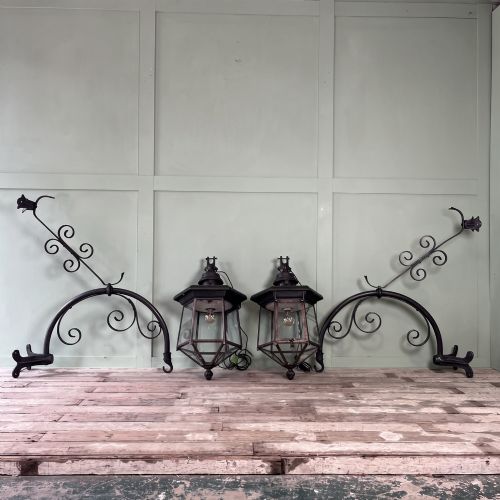
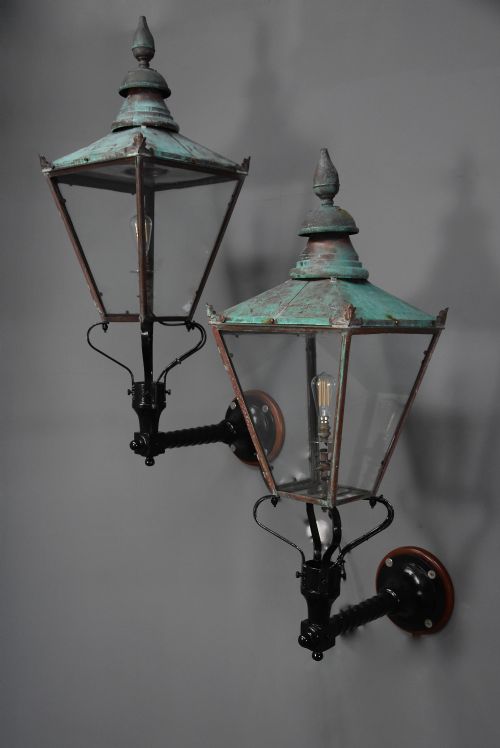

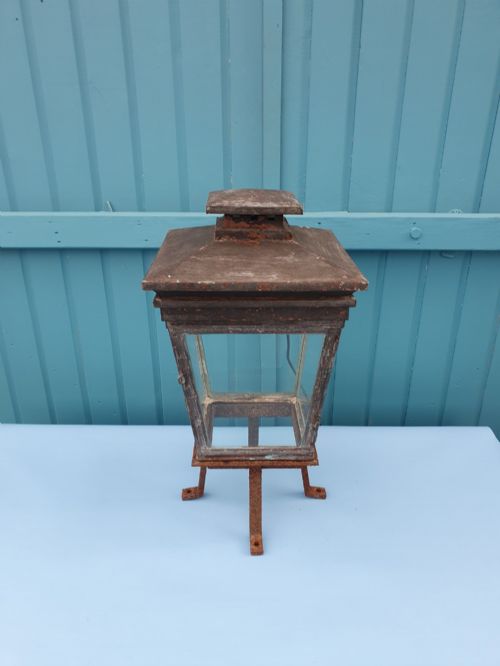


Copper Exterior Wall Light
These copper exterior wall light designs bring enduring character to facades, combining robust metalwork with clear glazing for traditional illumination.

Copper Exterior Wall Light
A copper exterior wall light brings period character to a property exterior, drawing from styles like Victorian, Edwardian, and Arts and Crafts. These fixtures frequently take the form of wall lanterns, coach-house styles, and half lanterns designed to mount beside doorways or along exterior walls.
The selection here spans from the late nineteenth century through to the 1940s, encompassing industrial designs and neo-classical forms. Many examples originate as gas street lamps or porch lanterns subsequently adapted for modern electrical use.
Materials and construction methods
Makers constructed these lanterns primarily using sheet copper, often paired with brass, wrought iron, or cast iron for structural brackets and frames. Glass panels complete the housing, protecting the internal light source from weather while diffusing illumination.
Metal components display various surface treatments, including verdigris patination that develops naturally over decades of exposure. Scrollwork, spiral twist wall brackets, and riveted joints reflect period metalworking techniques utilised by workshops such as REVO.
Some street lanterns carry the distinct aroma of old gasworks deep within their patinated metal seams.
Judging quality and proportion
Quality in a copper exterior wall light rests in the substance of the metal gauge and the complexity of the supporting bracket. Substantial brass and iron mounts, such as sophisticated spiral twist arms, provide structural integrity that lighter supports lack.
Proportion and scale distinguish finer examples, particularly in matched pairs designed for grand entrances or coach houses. The integrity of the original glazing bars and the depth of the natural verdigris finish further separate standard utility pieces from high decorative examples.
REVO
The Copper Exterior Wall Light Glossary
- Coach-house style
- A lantern design modelled on the exterior lighting fixtures once used to illuminate carriage houses and stables. These typically feature multi-paned glass and robust mounting brackets.
- Verdigris patination
- The green or bluish film formed naturally on copper and brass surfaces through atmospheric weathering over long periods. It offers both aesthetic appeal and a record of age.
- Half lantern
- A light fixture split flat down the vertical axis to mount flush against an exterior wall. This form suits narrow porches and tight entryways where full lanterns would project too far.
- Gas conversion
- The process of adapting an antique lamp originally built for town gas to house modern electrical fittings. This allows historic housings to function safely under current standards.
Copper Exterior Wall Light: Frequently Asked Questions
Are these lights wired for electricity?
Many period fixtures have been converted from gas to accept modern electrical components suitable for exterior use.
Buyers should consult a qualified electrician to ensure proper installation and weatherproofing for outdoor locations.
How do I mount a heavy wall lantern?
Substantial lanterns require secure anchoring into solid brickwork or stonework using appropriate wall plugs and fixings. The weight of the metal bracket and glass dictates the necessary support.
Consulting a professional builder ensures the fixture remains safe and stable against wind and weather.
Can original outdoor lights handle rain?
Historic lanterns built for exterior use feature pitched roofs and overlapping metal panels designed to shed water. Glass panels are traditionally sealed to protect the interior.
While weather-resistant, checking the condition of seals helps prevent moisture ingress over time.
How do I date a copper lantern?
Stylistic cues such as neo-classical brass mounts or industrial iron brackets help place a piece within periods like the Victorian era or the 1930s. Construction methods also provide clear indicators of age.
Comparing structural details against documented examples narrows down the decade of manufacture.