




Converted Vase Lamps
Converted vase lamps bring centuries of ceramic and metallic artistry into domestic lighting, offering a practical way to live with antique vessels.
Converted Vase Lamps
Converted vase lamps transform antique vessels into functional table lighting for modern interiors. These pieces typically combine historic ceramic, glass, or bronze bodies with fitted electrical hardware.
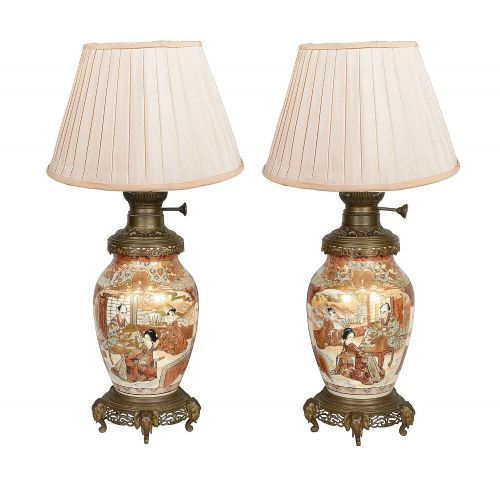
The selections here span from the seventeenth century through the early twentieth century, drawing heavily on nineteenth-century examples. Originating primarily from Chinese, Japanese, and European kilns and workshops, these table lamps manifest in forms ranging from baluster vases to spill vases.
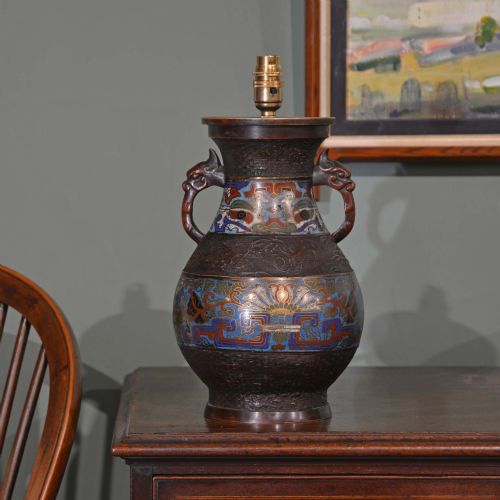
Buyers encounter diverse styles such as Imari, Delft, Cloisonné, and Rose Medallion. Each piece preserves the decorative artistry of its original era while serving a contemporary domestic purpose.
Materials and Techniques
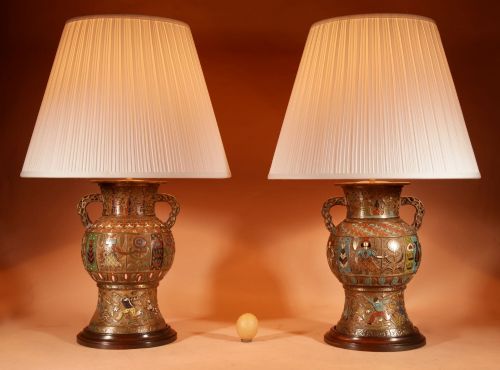
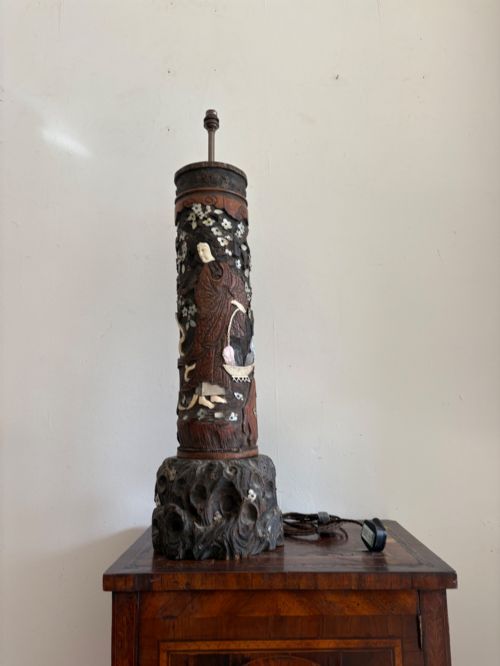
Makers utilised high-fired porcelains, earthenware, and cast bronzes, often enhancing the bodies with intricate hand-painted enamels, underglaze blue, or carved mother-of-pearl details. Japanese Meiji period pieces frequently display complex cloisonné wirework alongside rich champlevé bronze and enamel compositions.
European workshops added gilt bronze, ormolu mounts, and brass elements to secure the electrical components and elevate the decorative presence of the vessels. Fabric and silk shades complete the conversion, balancing historical integrity with functional design.
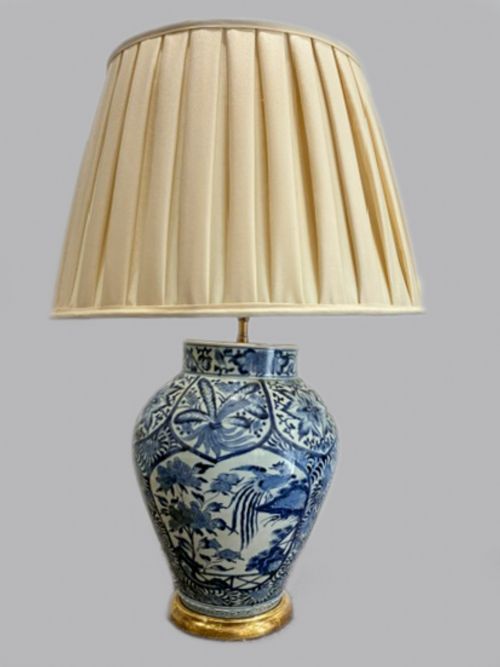
Some seventeenth-century jars now cast a warm glow across modern sitting rooms.
Assessing Quality and Execution
Quality rests upon the preservation of the original vessel and the sensitivity of the mounting technique. Superior examples maintain the structural and artistic integrity of the antique body without compromising its primary design.
Finely executed metal mounts, stable bases, and disciplined hand-painting distinguish the finest items. The harmony between the historic vase and the added lighting elements dictates the overall success of the piece.
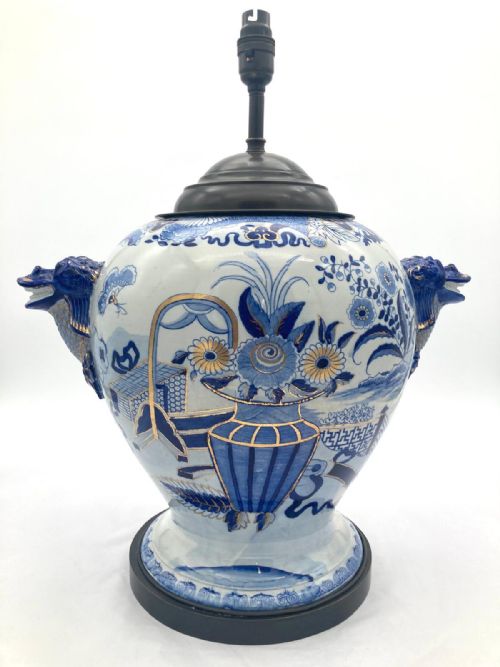
Hicks and Meigh·Masons Ironstone·Fukagawa
The Converted Vase Lamps Glossary
- Cloisonné
- Enamelling technique where thin metal wires form raised barriers to contain coloured pastes before firing. This method appears frequently on late nineteenth-century Japanese pieces.
- Imari
- Traditional Japanese porcelain decorated in underglaze blue, iron red, and gold. These colourful wares originate primarily from the Arita kilns.
- Ormolu
- Gilt bronze ornamentation applied to furniture and ceramic pieces. French and English makers frequently utilised these mounts during the eighteenth and nineteenth centuries.
- Baluster
- Architectural shape featuring a rounded lower body that tapers towards a narrow neck. Many table lamps utilise vases of this distinct profile.
- Delft
- Tin-glazed earthenware produced in Dutch and English potteries, commonly decorated in blue and white. These vessels date from the seventeenth century onward.
Converted Vase Lamps: Frequently Asked Questions
How are vase lamps wired?
Converted vase lamps generally feature modern electrical cords routed through the base or a drilled aperture, fitted with standard bulb holders. Many have been rewired to meet current safety standards while preserving the antique body.
Professional conversions ensure the vessel remains stable and undamaged during the installation of internal threaded rods and wiring components.
Can I choose matching pairs?
Listings frequently include matched pairs of converted vase lamps, particularly from nineteenth-century Japanese and Chinese workshops. These pairs share identical decorative motifs, forms, and dimensions.
Symmetrical arrangements work well on larger pieces of furniture, such as sideboards or twin bedside tables, providing balanced illumination.
What styles are available?
The selection encompasses Asian export wares, European ceramics, and bronze vessels spanning several centuries. Styles range from blue and white Chinese porcelain to Japanese Meiji period bronzes and French Delft faience.
Each style reflects the aesthetic preferences of its period, from Edo period porcelain to Regency Chinoiserie interpretations.
How do I care for these lamps?
Dust the ceramic bodies and metal mounts gently with a soft, dry cloth. Avoid harsh chemical cleaners that might damage hand-painted enamels or gilt surfaces.
Period fabrics and silk shades require delicate handling, and bulbs should be selected according to maximum wattage recommendations set by the electrical fitting.