


Converted Porcelain Vase Lamps
Converted porcelain vase lamps bring centuries of ceramic artistry into modern rooms, offering sculptural form and soft illumination.
Converted Porcelain Vase Lamps
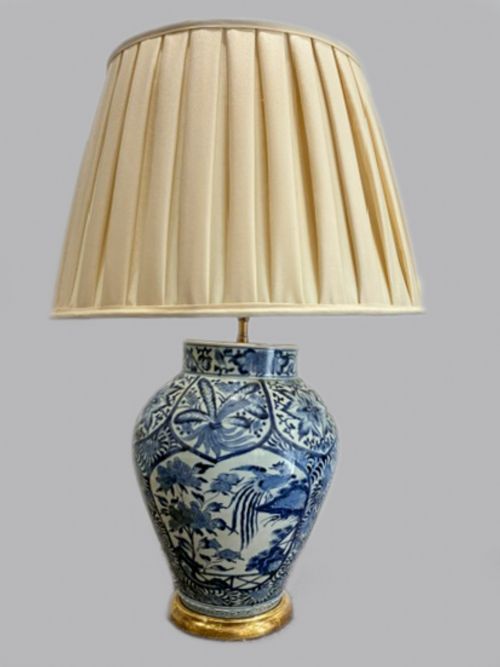
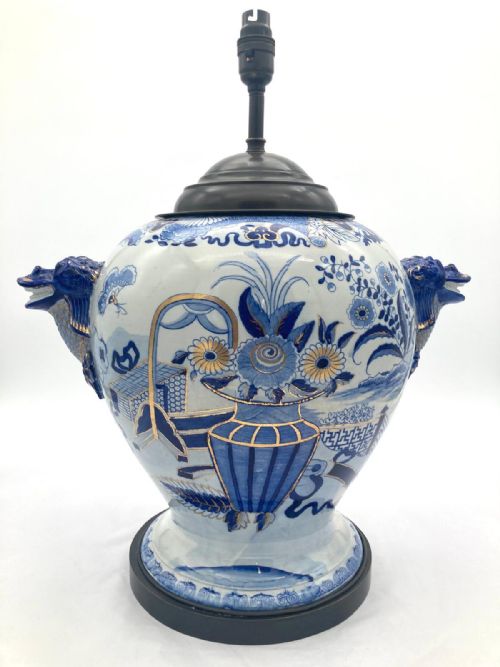
When you search for converted porcelain vase lamps, you are looking at historical vessels adapted for modern lighting, primarily featuring table lamps created from antique bodies. These pieces span periods from the seventeenth century through the twentieth century, bringing together diverse global aesthetics including Chinese Export, Japanese Meiji, and European ceramic traditions.
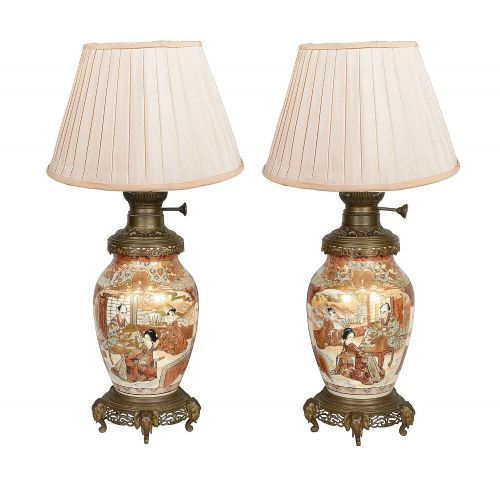
You are most likely to meet nineteenth-century Chinese blue and white, powder blue, and crackleware pieces on this page, alongside Japanese Kutani, Imari, and Satsuma examples. European additions from French factories like Sevres and Samson also appear, often paired with ormolu mounts that elevate the original ceramic body.
The forms range from large baluster vases to spill vases and mandarin vessels, each altered to house electrical components while retaining their decorative appeal. These items bridge historical craftsmanship and functional domestic lighting, serving as focal points in traditional and contemporary interiors alike.
How they were made
The makers of these objects formed porcelain, earthenware, and ironstone bodies using traditional throwing and moulding techniques before applying intricate hand-painted or glazed finishes. Artisans in China, Japan, and Europe utilised cobalt, polychrome enamels, and celadon glazes to decorate the surfaces.
Metal components such as brass and gilt ormolu mounts were frequently added during subsequent adaptation or original manufacture to secure the base and incorporate hardware. Fabric and silk shades complete the conversion, pairing with ceramic bodies to diffuse light evenly.
Styles include Qing Dynasty, Chinoiserie, Japanese Meiji, Edo Period, and Regency Chinoiserie.
What varies in quality
The refinement of the hand-painted detail and the crispness of the porcelain body separate standard production pieces from exceptional works. Superior examples display sophisticated brushwork, complex glazing such as crackleware or powder blue, and carefully integrated mounts.
The quality of the conversion hardware and the harmony between the ceramic vessel and its overall proportions dictate the visual balance of the finished lamp. Intact original glazes and well-preserved ormolu or brass fittings further distinguish the finer pieces in the range.
Hicks and Meigh·Samson
The Converted Porcelain Vase Lamps Glossary
- Ormolu
- Gilded bronze mounts applied to furniture, clocks, and ceramic vessels. This decorative technique adds a layer of European refinement to Asian and domestic porcelain bodies.
- Baluster
- A vase shape with a rounded body that tapers toward the neck and stands on a wider base. This profile provides a stable foundation for conversion into a table lamp.
- Imari
- A style of Japanese porcelain featuring a palette of underglaze blue, iron red, and gilt highlights. These pieces were widely exported to Europe and frequently adapted for decorative interiors.
- Celadon
- A pale green ceramic glaze resembling jade, originating in China. The subtle colouration complements various interior schemes when lit.
- Satsuma
- Japanese earthenware pottery decorated with intricate polychrome enamels and gilding. These vessels provide a textured, highly detailed surface for decorative lighting.
Converted Porcelain Vase Lamps: Frequently Asked Questions
What periods do these lamps come from?
The pieces span multiple centuries, with items originating from the seventeenth, eighteenth, and nineteenth centuries, alongside twentieth-century examples.
Asian export wares from the Qing Dynasty and Japanese Meiji period sit alongside European ceramics from French and English makers.
How do I place a vase lamp in a room?
These lamps function effectively on side tables, desks, or console tables where their height and decorative surfaces can be appreciated. Their scale allows them to act as sculptural lighting elements that anchor a room's design scheme.
Pair them with complementary fabric or silk shades that match the proportions of the ceramic body.
Were these vases made as lamps originally?
These vessels were created as decorative vases, jars, or spill vases before being converted into lamps at a later date. The adaptation process involves fitting electrical components and mounting hardware to the original ceramic body.
This method gives historical objects a functional role in modern settings while preserving the antique ceramic.